Information
Landmark: Emperor Valley ZooCity: Port of Spain
Country: Trinidad and Tobago
Continent: North America
Emperor Valley Zoo, Port of Spain, Trinidad and Tobago, North America
Overview
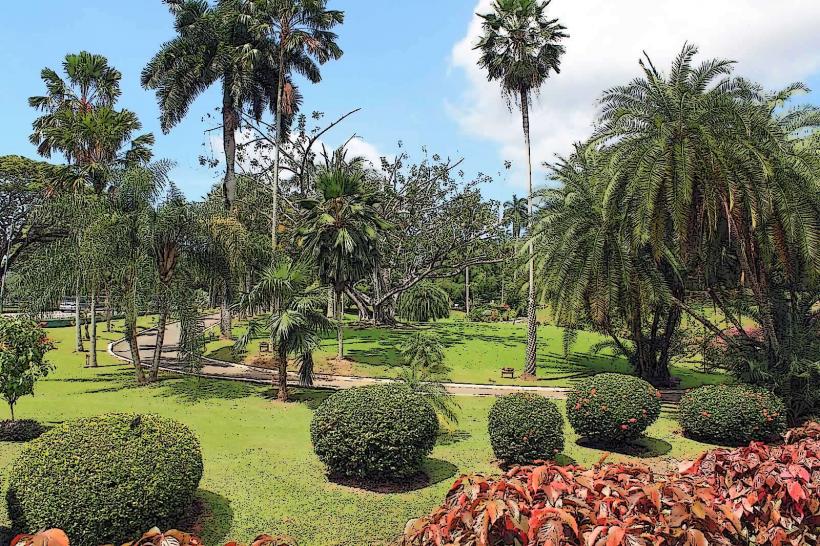
The Emperor Valley Zoo, tucked in the heart of Port of Spain, Trinidad and Tobago, draws crowds with its lively mix of animals and shaded paths, what’s more the zoo, founded in 1952, stands among the country’s top attractions, with everything from local deer grazing in the shade to exotic birds calling from far-off lands, loosely It’s a key part of conservation and education, and it even brings people joy-like watching otters splash in a sunlit pool, meanwhile here’s a closer examine at the zoo: it opened in 1952 as the Emperor Valley Zoo, built to give visitors a region to notice both native and exotic animals up close-parrots chattering in the trees, huge cats pacing behind secure enclosures.Actually, You’ll find it in the Royal Botanical Gardens, right next to Queen’s Park Savannah, so you can stroll easily to nearby museums, shaded trails, and other attractions in Port of Spain, after that the zoo’s called “Emperor Valley,” a nod to the valley it sits in and to Trinidad’s royal and aristocratic past, when carriages once rolled down its shaded lanes.Long ago, the valley was part of a vast estate owned by colonial elites, where stone walls still trace its edges, also zoo Layout and Features: Covering about 6 acres (2.4 hectares), the zoo invites visitors to wander along shaded paths, where every turn reveals a recent animal exhibit and a glimpse of greenery that makes the saunter both scenic and educational.Animal Exhibits: The zoo houses everything from tiny dart frogs to towering giraffes, each living in its own carefully designed enclosure, furthermore the zoo showcases a wide range of animals, from local mammals like the red howler monkey and agouti to exotic ones such as lions, leopards, and African and Asian monkeys.Just so you know, You’ll also spot bursts of color from macaws, parrots, and flamingos among its many native and foreign bird species, at the same time the zoo is home to the Scarlet Ibis-Trinidad and Tobago’s national bird-and a vivid mix of reptiles like green iguanas, coiled boa constrictors, and sleek crocodiles basking in the sun.Visitors can spot Caribbean tree frogs calling after rain, explore tanks of brightly colored fish, and, at the Lion’s Den, stand just a few feet from a pair of powerful African lions, moreover at this zoo, one of the few in the region, you can watch lions lounging in the sun, all from a protected spot that feels true to their wild home.Truthfully, Primate Exhibit: In this lively corner of the zoo, you can watch Capuchin, Squirrel, and Spider Monkeys leap between branches, each species showing off its own curious habits, also the sprawling bird aviaries shelter a mix of tropical and exotic species, where visitors can watch radiant feathers flash through lush greenery in a setting that feels close to the wild.Sparkling splashes of red, yellow, and blue make Macaws a favorite, and Cockatoos draw just as many admirers, on top of that children’s Playground: The zoo offers a special spot just for kids, with shining slides, hands-on exhibits, and activities designed to spark their curiosity.The Reptile House is spotless and radiant, with glass tanks holding snakes that coil lazily, turtles basking under warm lamps, and other reptiles from near and far, not only that in this section, you’ll spot a green iguana basking under a warm lamp and a massive boa constrictor coiled quietly in the corner.From what I can see, At the zoo, staff work to protect both local wildlife and endangered species, from tiny tree frogs to powerful snow leopards, therefore the zoo’s mission centers on breeding and protecting native wildlife, from the rare Trinidad Piping Guan to the luminous flash of a Yellow-Shouldered Parrot’s wings.The zoo runs educational programs that help kids and adults learn about wildlife conservation, explore the quirks of animal behavior, and understand the richness of biodiversity-like why a toucan’s beak is more than just colorful, therefore the programs range from school field trips and hands-on workshops to lively talks, all aimed at helping people connect more deeply with nature-like spotting the first wildflowers of spring.In a way, The zoo takes part in research projects on animal health, breeding programs, and studying species’ habitats, from tracking elephant migration routes to monitoring nest temperatures, to boot it plays a key part in wildlife research, feeding into wider conservation efforts that stretch from Trinidad and Tobago to the rest of the Caribbean, much like tracking a leatherback turtle’s long journey across the sea, almost Visitor Experience: Facilities: The zoo offers plenty of amenities-everything from shaded benches to clean restrooms-so guests can relax and enjoy their visit, in addition you’ll find picnic spots shaded by tall oaks, clean restrooms, stands serving snacks and icy lemonade, and compact shops filled with souvenirs.Guided Tours: Join a zoo guide who knows every corner, from the roar of the lions to the quiet work behind conservation, and hear fascinating details about the animals and how the zoo protects them, furthermore it’s a great learning experience for families, school groups, and tourists alike, whether you’re tracing maps on a wall or hearing a guide’s voice echo through the hall.All year long, the zoo puts on events like Wildlife Day, lively animal feeding sessions where you can hear the crunch of carrots, and festive holiday celebrations, in conjunction with these events let visitors feed a curious goat or stroke a soft rabbit, and they’re one of the main reasons people come.In Trinidad and Tobago, the Emperor Valley Zoo holds a special location in the nation’s culture, from school trips filled with the chatter of excited children to weekend visits that have become family traditions, meanwhile it’s a locale where local communities can meet face-to-face with wildlife-watching a heron lift off the water-and explore the environmental issues that shape their world.Tourists flock here to glimpse a wilder side of the country’s natural heritage, from rustling pine forests to sunlit riverbanks, at the same time the zoo gives families a welcoming area to wander among shady trees, watch playful animals, and simply unwind in a stunning, open-air setting, generally Funny enough, With parrots chattering in the trees and gardens bursting with vivid blooms, the mix of wildlife and lush greenery draws crowds to the zoo, simultaneously you’ll find the Emperor Valley Zoo tucked inside the lush Royal Botanical Gardens in Port of Spain, just a short drive from many neighborhoods across the city.Buses and trains stop close by, and visitors who drive can easily find a parking space, consequently the zoo’s usually open every day during normal business hours, but check their website or give them a quick call for the latest updates on holiday schedules, special events, or any changes.In conclusion, the Emperor Valley Zoo offers more than a day of leisure-it’s a vital hub for learning and wildlife conservation in Trinidad and Tobago, where you might hear the low roar of a jaguar as you pass its enclosure, in addition it gives people a chance to meet wildlife up close, hear the rustle of leaves in a protected forest, learn about pressing environmental challenges, and glimpse the country’s rich mix of plants and animals.Home to rare parrots, century-classical architecture, and vital conservation work, the zoo still holds a cherished location in Trinidad’s cultural and natural life.
Author: Tourist Landmarks
Date: 2025-09-11