Information
Landmark: Paria BayCity: Port of Spain
Country: Trinidad and Tobago
Continent: North America
Paria Bay, Port of Spain, Trinidad and Tobago, North America
Paria Bay is a coastal area situated on the northern coast of Trinidad, within the jurisdiction of Port of Spain, Trinidad and Tobago.
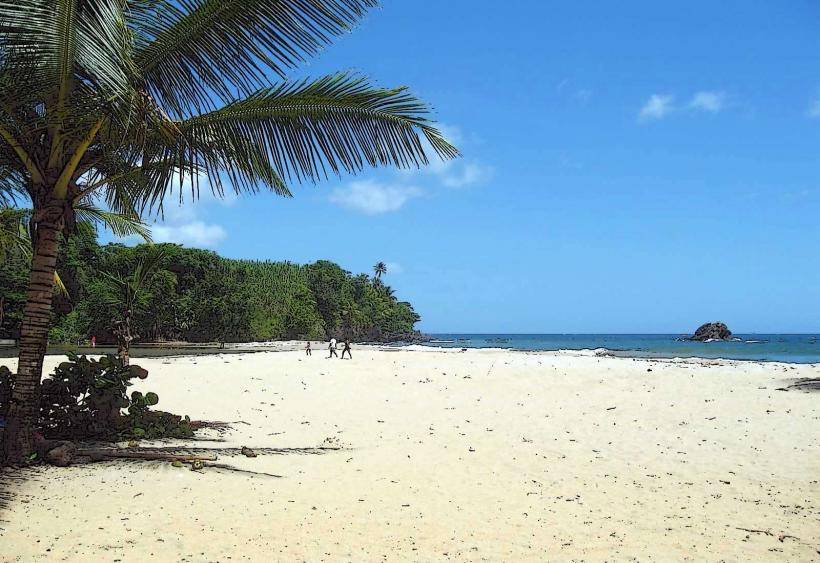
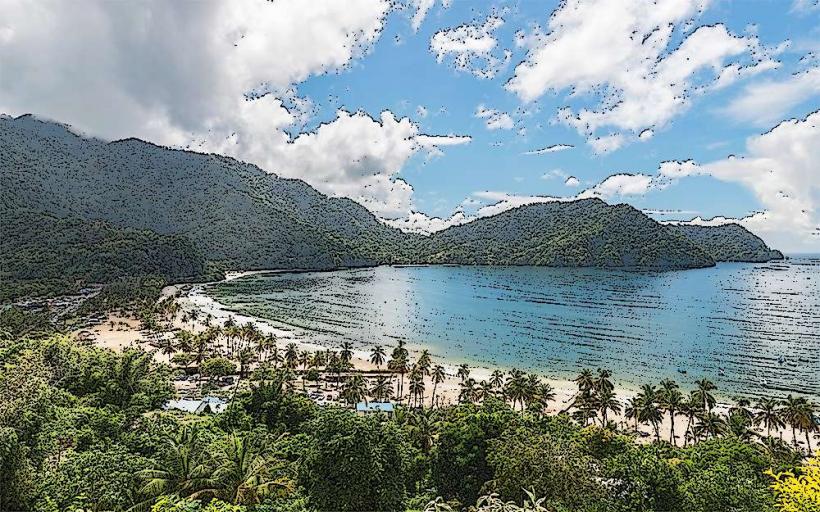
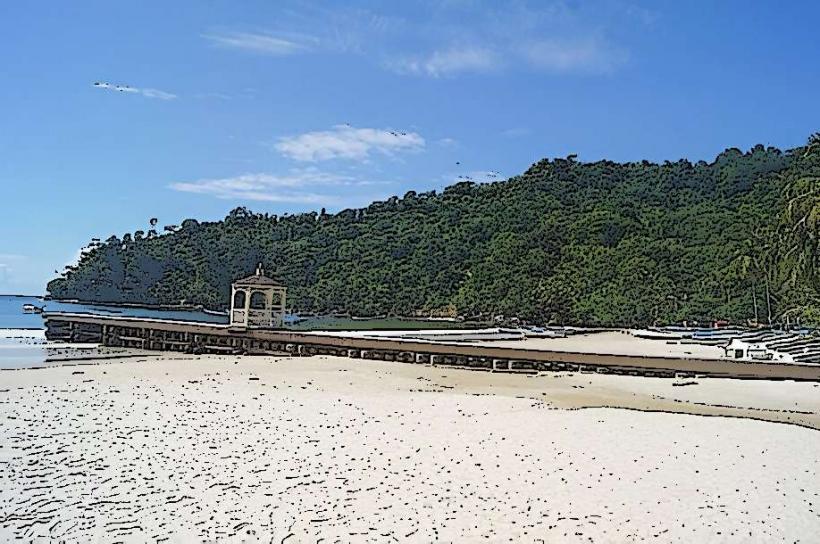
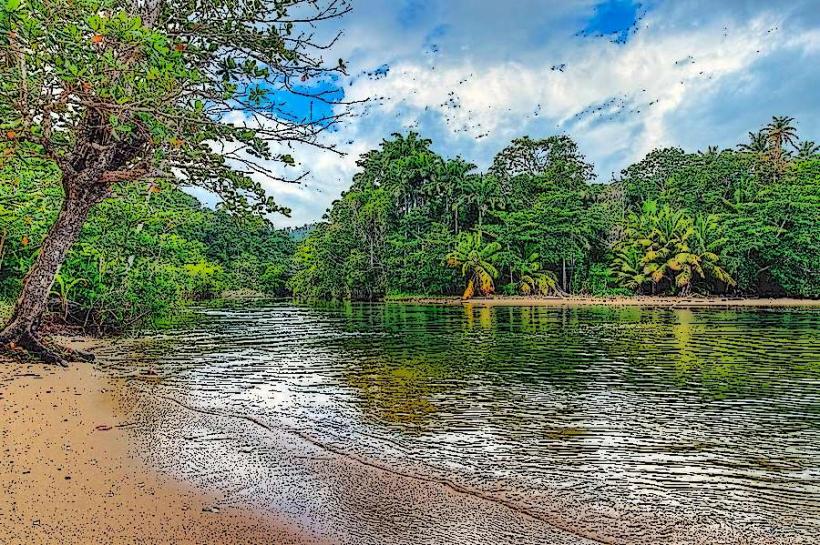
This bay is characterized by its extensive sandy shoreline and the dense tropical rainforest that extends to the water's edge.
Visual Characteristics
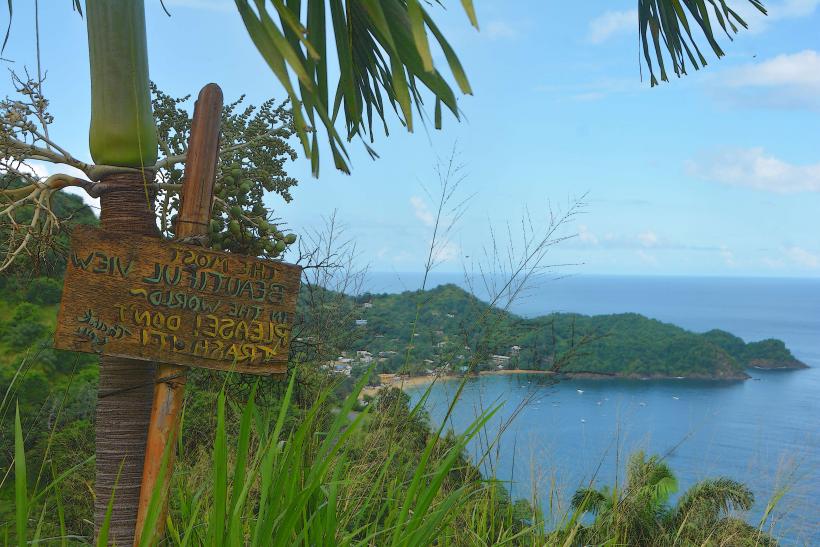
The bay features a wide expanse of light brown sand. The water clarity varies, often appearing a muted green or grey depending on sediment levels. The coastline is backed by steep, verdant hills covered in dense tropical vegetation, including various palm species and broadleaf trees. Rock outcroppings are present at the western end of the bay.
Location & Access Logistics
Paria Bay is located approximately 30 kilometers north of Port of Spain. Access is primarily via the North Coast Road. The final section of the road leading to the bay is unpaved and can be rough, requiring a 4WD vehicle. Parking is available on an informal basis along the roadside near the beach access point. Public transport does not directly serve Paria Bay; the nearest bus route terminates in Blanchisseuse, requiring a further taxi or private vehicle transfer.
Historical & Ecological Origin
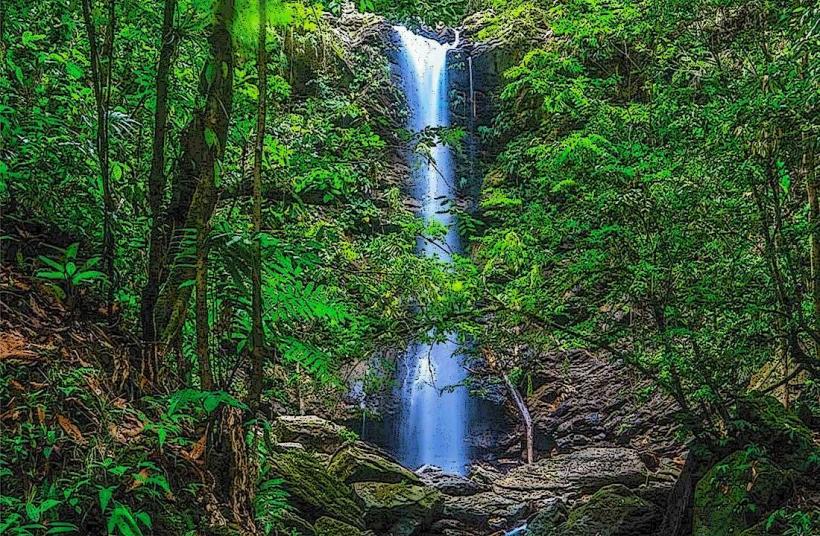
Paria Bay is a natural coastal feature formed by marine erosion and sedimentation processes over millennia. The surrounding hills are part of the Northern Range, a geologically older mountain range composed primarily of sedimentary rocks. The bay's ecosystem is a tropical coastal rainforest environment.
Key Highlights & Activities
Swimming is possible, though currents can be strong. Beachcombing along the shoreline is a primary activity. Hiking trails into the adjacent rainforest are accessible, though unmarked. Observation of coastal birdlife is also possible.
Infrastructure & Amenities
There are no formal facilities at Paria Bay. Restrooms are not available. Natural shade is provided by the surrounding trees. Cell phone signal is intermittent to non-existent. No food vendors operate directly at the bay; provisions must be brought in.
Best Time to Visit
The best time for visiting is during the dry season, from January to May, to minimize the impact of heavy rainfall on road conditions. Mid-morning offers good natural light for photography. High tide can reduce the visible beach area.
Facts & Legends
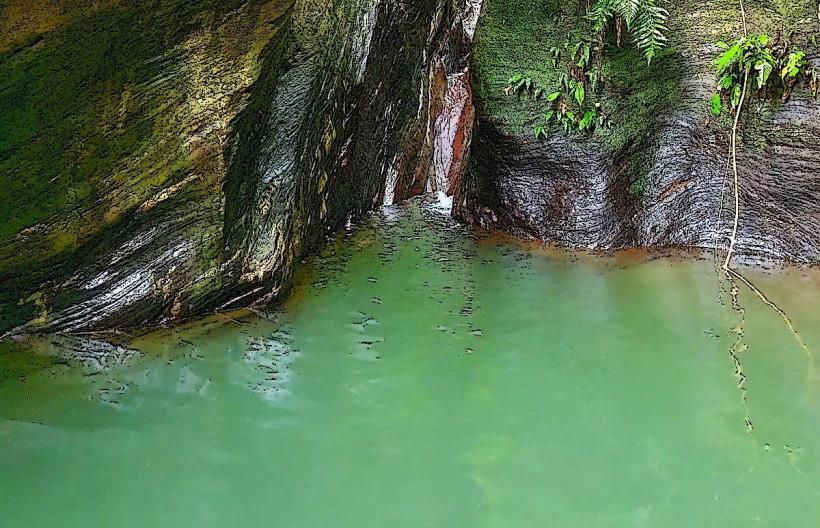
Local folklore suggests that the bay was a favored landing spot for indigenous peoples due to its sheltered nature. A specific point of interest is a small freshwater stream that empties onto the beach, providing a water source.
Nearby Landmarks
- Maracas Bay (10km Southwest)
- Las Cuevas Beach (15km Southwest)
- Blanchisseuse Village (20km East)
- El Tucuche (12km Southeast)