Information
Landmark: Fram MuseumCity: Oslo
Country: Norway
Continent: Europe
Fram Museum, Oslo, Norway, Europe
Visual Characteristics
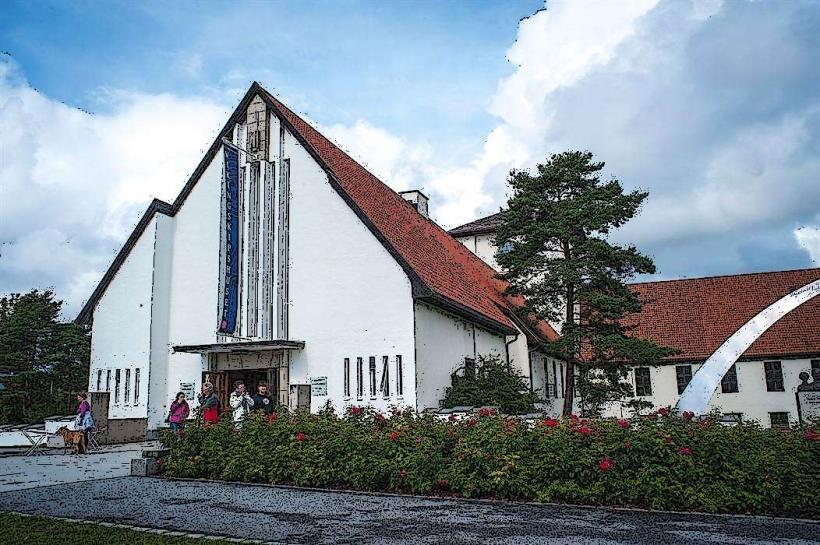
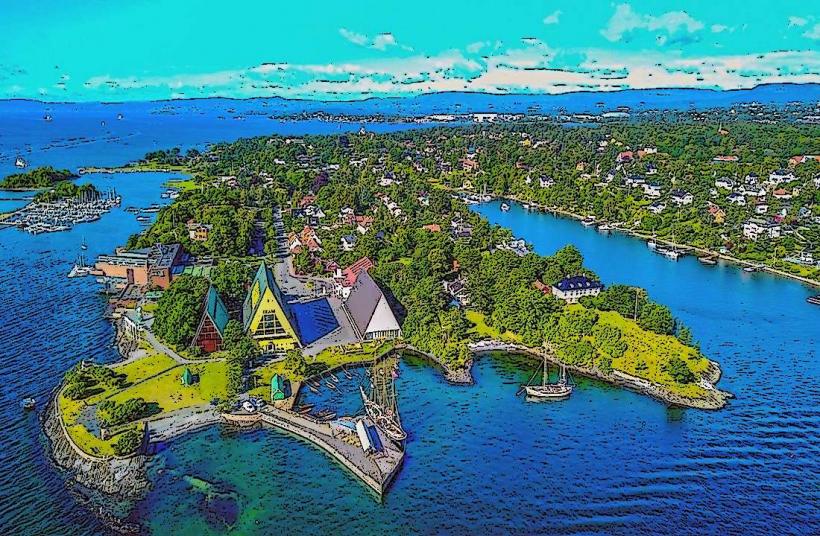
The primary exhibit is the three-masted schooner Fram, constructed with a reinforced wooden hull of oak and greenheart, designed to withstand ice pressure. The ship measures 39 meters in length and 11 meters in width. The museum building itself is a modern, triangular structure featuring glass and steel elements, specifically designed to enclose and display the large vessel.
Location & Access Logistics
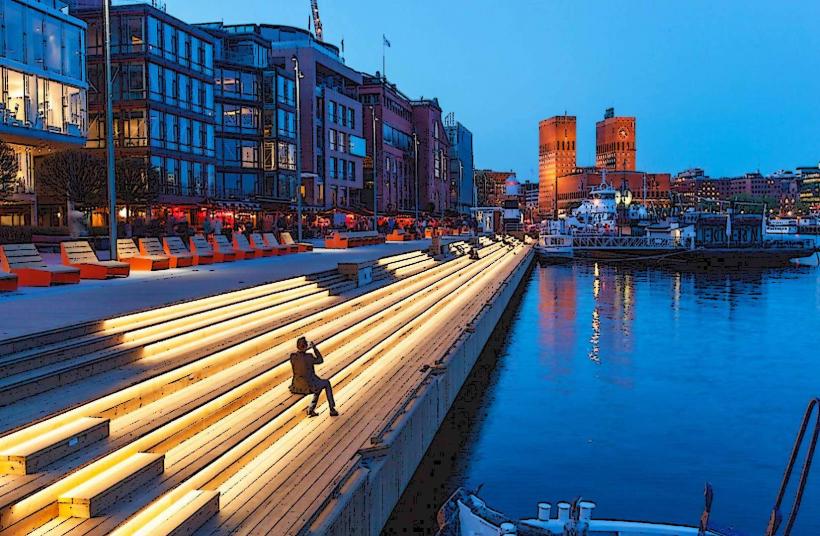
The museum is situated on the Bygdøy peninsula, approximately 6 kilometers southwest of Oslo Central Station. Access is available via public transport. Bus line 30 (Bygdøy) departs from Jernbanetorget or Nationaltheatret and stops at "Bygdøynes," directly adjacent to the museum. During the period from May to September, a seasonal ferry (Line B9) operates from Rådhusbrygge 3 (City Hall Pier 3) to Bygdøynes. Limited paid parking is available at the Bygdøynes area.
Historical & Ecological Origin
The polar ship Fram was launched in 1892, constructed by shipbuilder Colin Archer. Its original purpose was to facilitate polar expeditions, specifically designed to drift with the ice across the Arctic Ocean. The vessel was subsequently utilized for expeditions to both the Arctic and Antarctic regions.
Key Highlights & Activities
Visitors can board the Fram, exploring its deck and interior cabins. The museum also features an exhibition dedicated to the ship Gjøa, used by Roald Amundsen for the first transit of the Northwest Passage. Interactive exhibits include simulations of Arctic and Antarctic conditions, such as cold temperatures, wind, and polar night. Educational displays detail polar flora, fauna, and historical exploration techniques.
Infrastructure & Amenities
Restrooms are available within the museum facility. The interior of the museum provides full shade. Outdoor areas around the museum offer limited shade. Cell phone signal (4G/5G) is generally strong throughout the premises. A café is located inside the museum, and additional food vendors are present at other museums on the Bygdøy peninsula.
Best Time to Visit
The optimal time to visit is during morning hours, specifically between 9:00 and 11:00, to avoid peak crowds. The months of May through September offer warmer weather and the option of ferry access. October to April typically sees fewer tourists. Interior exhibits are illuminated by artificial lighting; natural light enters through the building's glass sections.
Facts & Legends
The Fram holds the verified record for sailing farthest north (85°57'N) and farthest south (78°41'S) of any wooden ship. A practical tip for visitors is to allocate a minimum of 2-3 hours to thoroughly explore the ship and all associated exhibits.
Nearby Landmarks
- Kon-Tiki Museum: 0.1km East
- Norwegian Maritime Museum: 0.1km North
- Norwegian Museum of Cultural History (Norsk Folkemuseum): 1.2km West
- Oscarshall Palace: 2.5km Southwest