Information
Landmark: Grünerløkka DistrictCity: Oslo
Country: Norway
Continent: Europe
Grünerløkka District, Oslo, Norway, Europe
Visual Characteristics
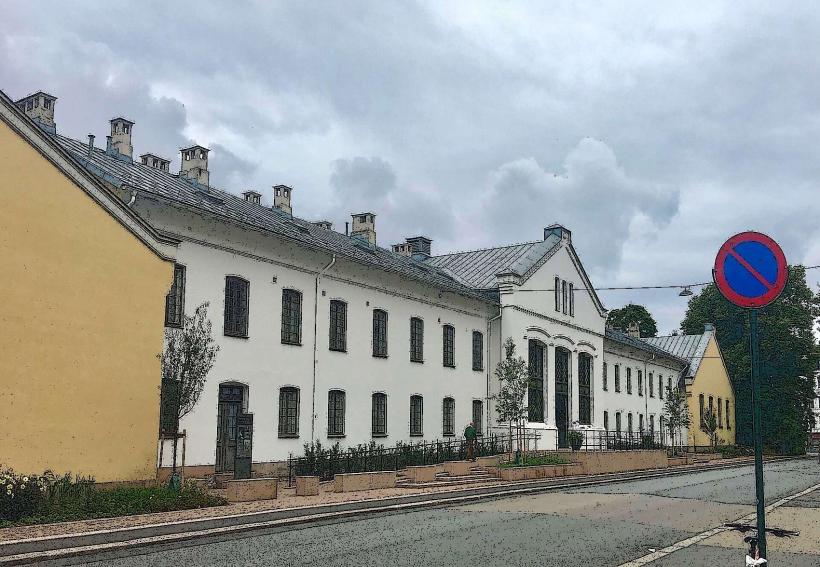
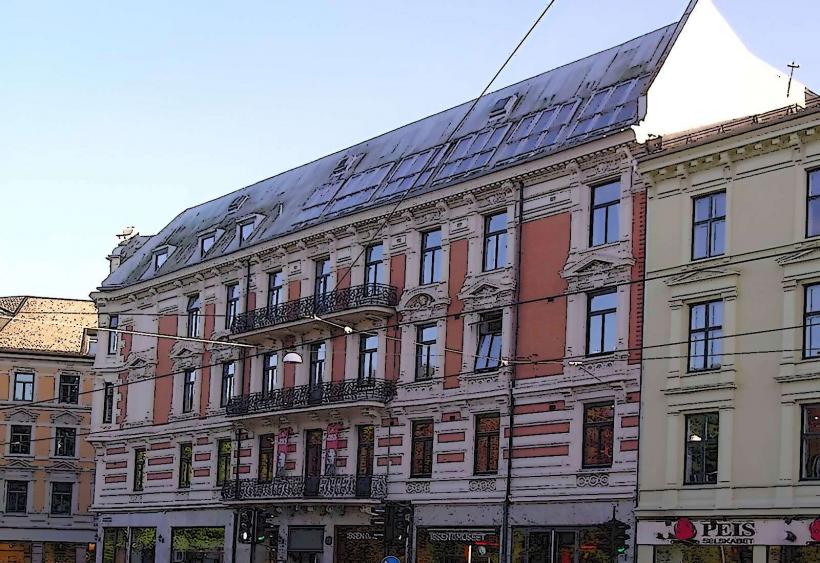
The district features predominantly 19th-century brick apartment buildings, often painted in muted earth tones or white, with some newer infill developments. Streets are typically tree-lined, and the Akerselva River runs along its western edge, bordered by former industrial buildings now repurposed into cultural spaces and businesses. Public parks like Birkelunden and Sofienberg Park provide green spaces.
Location & Access Logistics
Grünerløkka is situated approximately 2.5 kilometers northeast of Oslo Central Station (Oslo S). Public transport access includes tram lines 11, 12, and 17, with key stops at Olaf Ryes Plass and Birkelunden. Bus lines 30 and 31 also serve the area, connecting to the city center and other districts. Limited street parking is available, primarily metered, and often requires local permits; public parking garages are scarce within the immediate district.
Historical & Ecological Origin
The district developed rapidly in the mid-19th century as an industrial area, driven by the textile and mechanical industries established along the Akerselva River. It was originally planned as a working-class residential area for factory employees, with most of its characteristic brick apartment buildings constructed between 1860 and 1900. The area underwent significant revitalization from the late 20th century onwards, transforming into a popular urban district.
Key Highlights & Activities
Visitors can explore numerous independent boutiques, vintage shops, and design stores along Thorvald Meyers gate and Markveien. Dining and café culture is prominent, with a high concentration of restaurants, coffee shops, and bars. The Birkelunden Park hosts a weekly flea market on Sundays. The Akerselva River Walk offers pedestrian and cycling paths along the river, connecting various parks and cultural sites.
Infrastructure & Amenities
Public restrooms are available in larger parks like Birkelunden and within many commercial establishments. Shade is provided by mature trees along streets and in parks. Cell phone signal (4G/5G) is consistently strong throughout the district. A high density of food vendors, grocery stores, and restaurants are present, offering diverse dining options.
Best Time to Visit
The best time to visit Grünerløkka for outdoor activities and market exploration is during the late spring and summer months, from May to August, when temperatures are mild and daylight hours are long. Weekends, particularly Sundays, are ideal for experiencing the market at Birkelunden and the general street activity. Early mornings offer quieter streets for photography, while afternoons and evenings are livelier.
Facts & Legends
A local tip is to explore the side streets off Markveien, which often contain smaller, less-frequented shops, galleries, and street art installations. The district's name, Grünerløkka, translates to 'Grüner's Field,' named after Friedrich Grüner, who owned a mill here in the 17th century. Many of the district's original industrial buildings along the Akerselva River have been preserved and repurposed, maintaining a link to its working-class heritage.
Nearby Landmarks
- Sofienberg Park: 0.5km East
- Botanical Garden (Oslo): 1.0km Southeast
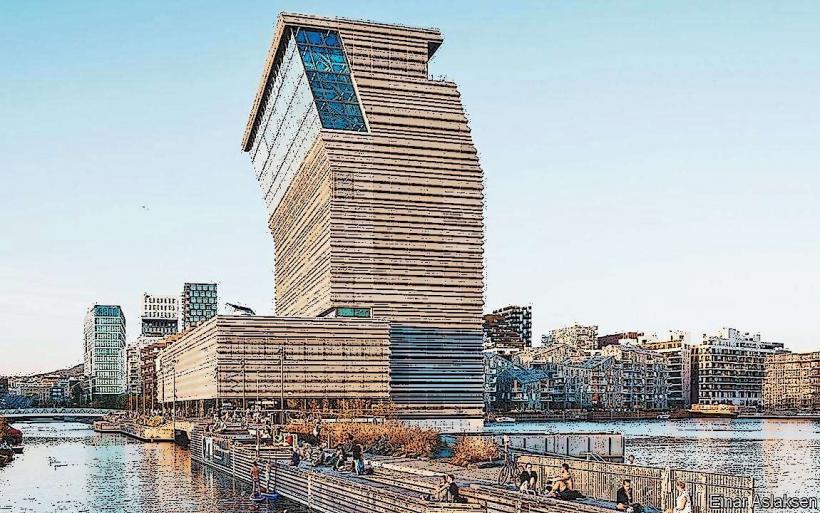
- Munch Museum: 1.5km Southeast
- Mathallen Oslo (Food Hall): 0.8km West
- Akerselva River Walk: Runs along the Western edge