Information
Landmark: Munch MuseumCity: Oslo
Country: Norway
Continent: Europe
Munch Museum, Oslo, Norway, Europe
The Munch Museum is an art museum dedicated to the life and work of Norwegian artist Edvard Munch. It is located at Edvard Munchs plass 1 in the Bjørvika district of Oslo, Norway.
Visual Characteristics
The museum is a 13-story structure, approximately 58 meters tall, characterized by a distinctive lean in its upper sections. Its exterior is clad in perforated, recycled aluminum panels, presenting a muted, metallic grey color and a semi-transparent appearance. The architectural style is contemporary, designed by Estudio Herreros.
Location & Access Logistics
The museum is situated approximately 1.5 km East of Oslo Central Station. Public transport options include Tram Line 13 to the Bjørvika stop, or Bus Lines 81, 83, 84, 85 also to the Bjørvika stop. All Metro (T-bane) lines connect to Oslo S, followed by a 10-15 minute walk. Underground parking is available at Operagaragen or along Dronning Eufemias gate, with pedestrian access to the museum area.
Historical & Ecological Origin
The current Munch Museum building was completed in 2021, designed by architects Juan Herreros and Jens Richter of Estudio Herreros. Its purpose is to house and display the extensive collection of Edvard Munch's artworks, which were bequeathed to the City of Oslo.
Key Highlights & Activities
Visitors can view permanent exhibitions of Edvard Munch's paintings, prints, and drawings, including multiple versions of The Scream. The museum also hosts temporary exhibitions featuring modern and contemporary art. Guided tours are available on a scheduled basis. A museum shop offers art books and merchandise, and dining facilities are present.
Infrastructure & Amenities
Restrooms are available on multiple floors throughout the building. Interior spaces are climate-controlled, providing shade. Cell phone signal, including 4G and 5G, is consistently strong inside the museum. Food vendors include a restaurant on the 12th floor and a café on the ground floor.
Best Time to Visit
The months of May to September offer the mildest weather for visiting Oslo. For photography of the building's exterior, early morning or late afternoon light can enhance the metallic facade. To experience fewer crowds, visiting on weekday mornings shortly after opening is recommended.
Facts & Legends
The Munch Museum holds the world's largest collection of Edvard Munch's works, comprising over 28,000 artworks, including 1,183 paintings, 7,700 drawings, and 18,000 prints. A specific tip for visitors is that the 12th-floor restaurant offers panoramic views of the Oslofjord and city skyline, and access to this area does not require a museum admission ticket.
Nearby Landmarks
- Oslo Opera House: 0.3km West
- Deichman Bjørvika (Main Public Library): 0.2km North
- Barcode Project: 0.5km North-East
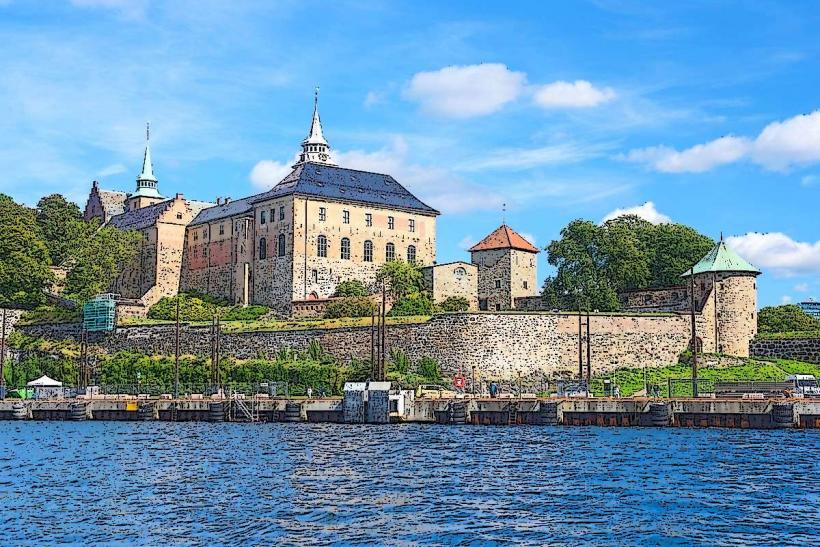
- Akershus Fortress: 1.5km West
- Sørenga Seawater Pool: 0.8km South