Information
Landmark: Glacier Bay National Park & PreserveCity: Juneau
Country: USA Alaska
Continent: North America
Glacier Bay National Park & Preserve, Juneau, USA Alaska, North America
Glacier Bay National Park & Preserve is a vast, remote wilderness in southeastern Alaska, encompassing over 3.3 million acres of fjords, glaciers, mountains, and temperate rainforest. Part of the larger Alaska Panhandle, it is accessible primarily by boat or air, making it a pristine destination for wildlife viewing, glacier exploration, and wilderness adventure.
Geography and Landscape
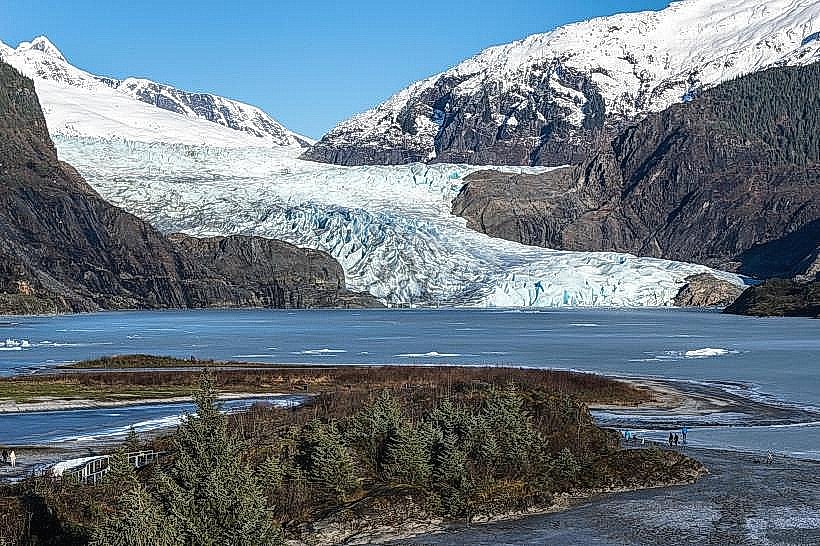
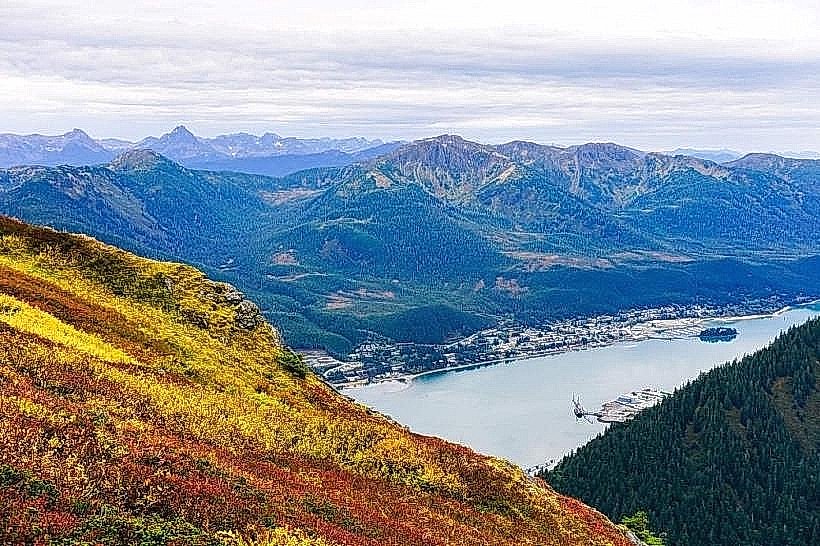
The park features dramatic fjords carved by glaciers, with towering mountains and deep inlets. Active tidewater glaciers, including Margerie, Grand Pacific, and Lamplugh, descend from the surrounding peaks into the sea, creating icebergs and glacial melt streams. Dense temperate rainforest blankets the valleys, while alpine meadows and rugged peaks rise sharply above the shoreline. The interplay of ice, water, and forest gives the park a layered and constantly shifting landscape.
Glaciers and Icefields
Glaciers are the centerpiece of the park, ranging from slow-moving valley glaciers to massive tidewater glaciers that calve into the bay. They are dynamic, constantly advancing or retreating, and provide dramatic visual spectacles as ice collapses into the waters below. The Grand Pacific Glacier and Margerie Glacier are among the most frequently visited due to their accessibility by cruise or tour boat.
Wildlife and Ecology
Glacier Bay is a hotspot for wildlife:
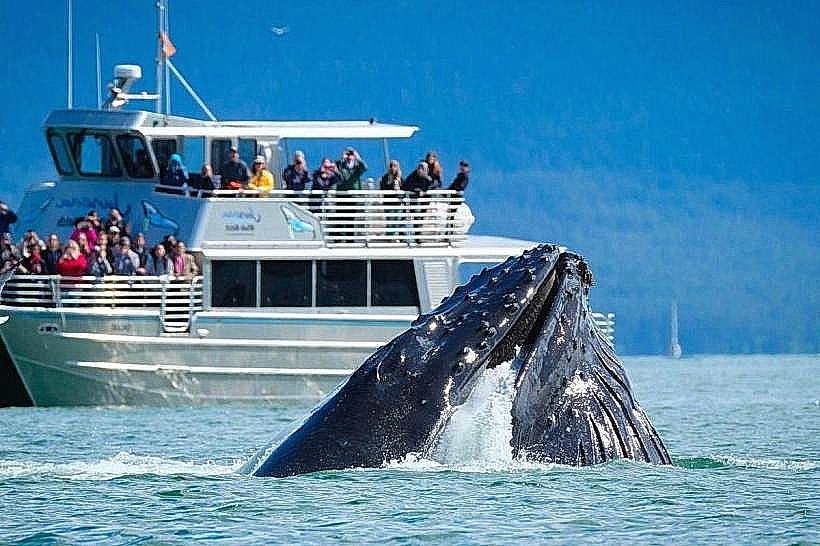
Marine Mammals – Humpback whales, orcas, harbor seals, sea lions, and sea otters.
Birds – Bald eagles, puffins, kittiwakes, and migratory seabirds.
Terrestrial Mammals – Brown bears, black bears, moose, and mountain goats inhabit forested and alpine regions.
Fish – Salmon, halibut, and other species thrive in rivers and fjords.
Visitor Experience
Visitors experience a layered combination of natural grandeur, wildlife activity, and glacial spectacle:
Cruises and Boat Tours – Offer close views of tidewater glaciers, fjords, and wildlife.
Kayaking and Canoeing – Provide intimate access to smaller inlets, icebergs, and coastal ecosystems.
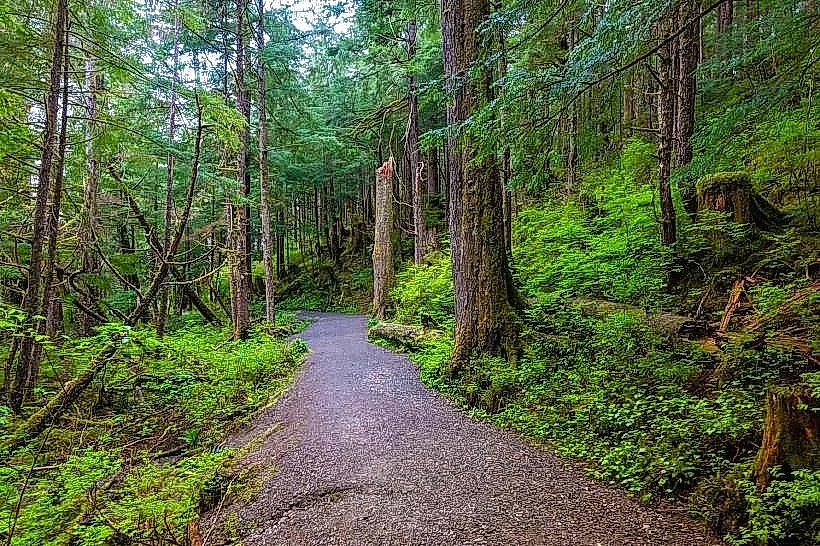
Hiking and Backcountry Camping – Trails range from short forest walks to extended wilderness treks, including alpine and glacier-edge paths.
Educational Programs – Ranger-led tours, interpretive centers, and visitor facilities provide insights into glacial geology, ecology, and history.
Cultural and Historical Significance
The park and surrounding region are historically inhabited by the Tlingit people, whose seasonal settlements and subsistence practices remain part of the cultural landscape. European exploration, fur trading, and later conservation efforts shaped the area’s history. The park became a National Monument in 1925 and a National Park & Preserve in 1980, protecting its glaciers and ecosystems for future generations.
Atmosphere and Impressions
Glacier Bay evokes awe through its sheer scale, dynamic ice, and abundant wildlife. The dramatic contrast between deep blue waters, towering ice cliffs, and forested mountains creates a sensory-rich experience. Silence is punctuated by calving glaciers, bird calls, and whale blows, immersing visitors in the raw power of nature.
Legacy
Glacier Bay National Park & Preserve is emblematic of Alaska’s pristine wilderness, showcasing glaciers, fjords, and diverse ecosystems in one expansive region. It serves as a living laboratory for ecological study, a sanctuary for wildlife, and a destination where visitors can witness the grandeur and dynamism of northern landscapes in their most unspoiled form.