Information
Landmark: Alaska State Capitol BuildingCity: Juneau
Country: USA Alaska
Continent: North America
Alaska State Capitol Building, Juneau, USA Alaska, North America
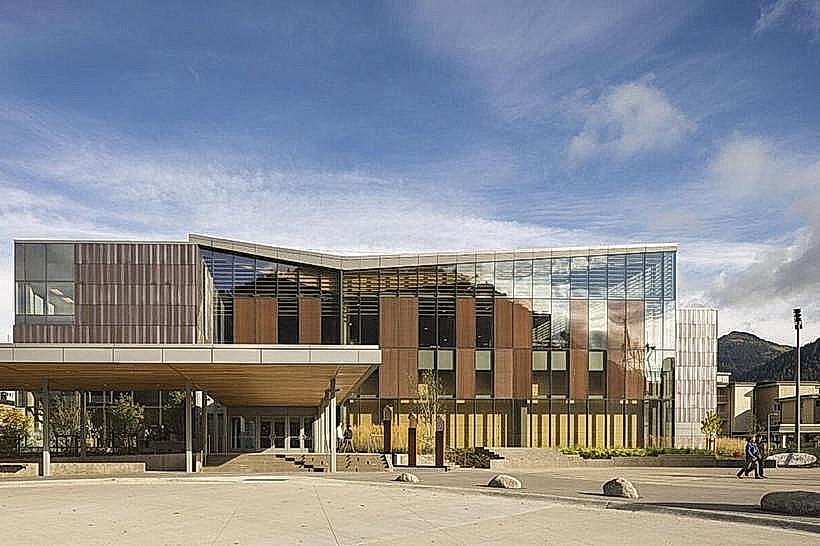
The Alaska State Capitol, located in downtown Juneau along the Gastineau Channel, is the seat of the state government, housing the offices of the Governor, the Alaska Legislature, and other key state agencies. Unlike many state capitols, it lacks a prominent dome, giving it a modern, functional appearance that reflects both Alaska’s practical frontier spirit and its unique architectural history.
History
The building was completed in 1931 as the territorial capitol for Alaska, which was then a U.S. territory. Originally constructed to house territorial administrative offices, it continued as the state capitol after Alaska achieved statehood in 1959. Its design reflects early 20th-century civic architecture, emphasizing practicality and adaptability over ornamental grandeur.
Architecture and Layout
Exterior – The capitol is a stone and concrete structure, understated in comparison to traditional domed capitols, with a symmetrical façade and clean lines.
Interior – Houses legislative chambers, offices, and public spaces. Key areas include:
House and Senate Chambers – Legislative floors with galleries for public observation.
Governor’s Office – Executive offices and meeting spaces.
Rotunda and Hallways – Display Alaskan art, historical photographs, and maps.
Art and Decorations – Alaskan themes dominate interior spaces, including indigenous artwork, state symbols, and historical murals, giving visitors a sense of the state’s cultural and natural heritage.
Visitor Experience
The building is open to the public, offering educational and civic engagement opportunities:
Guided Tours – Explain the legislative process, architectural history, and the building’s role in governance.
Legislative Observation – Visitors can watch debates and committee sessions in the House or Senate galleries.
Exhibits and Displays – Highlight Alaska’s history, government structure, and cultural diversity, including Tlingit and other indigenous contributions.
Cultural and Political Significance
The capitol is a symbol of Alaska’s governance and political identity, representing both the territory’s historical journey and its current statehood. Its functional design mirrors the pragmatic nature of Alaskan governance while incorporating artwork and exhibits that celebrate the state’s cultural and natural richness.
Atmosphere and Impressions
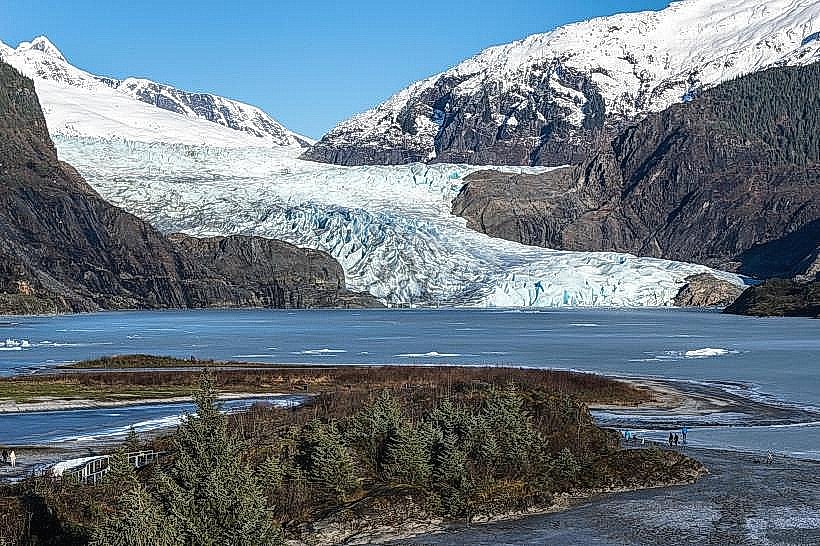
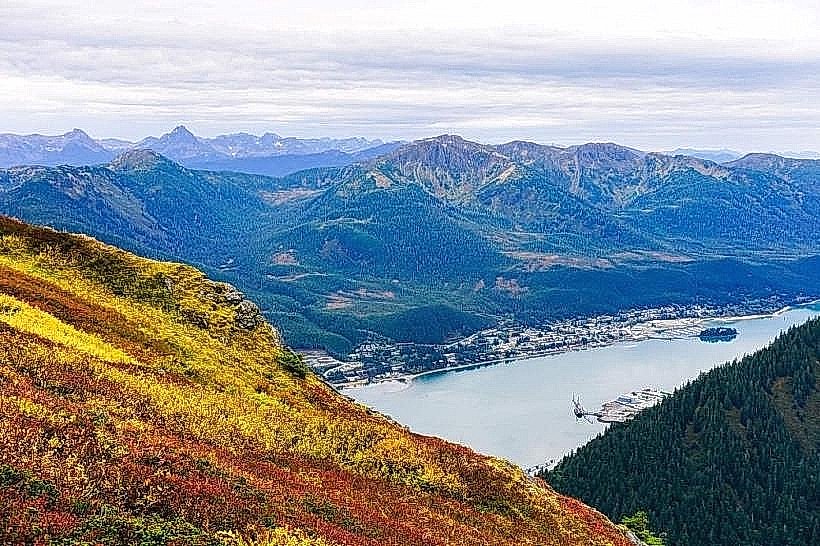
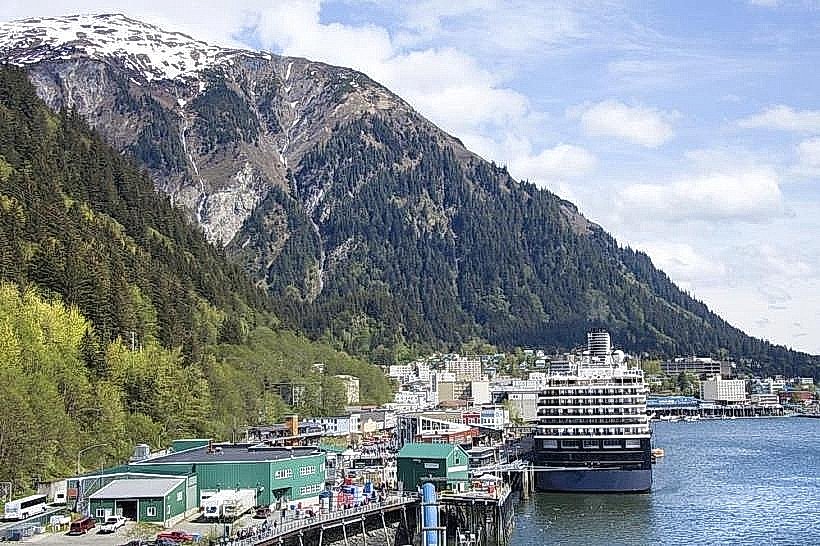
Visitors often notice the contrast between the building’s utilitarian exterior and the warm, culturally rich interiors. Light-filled corridors, indigenous art, and historical displays combine to create a civic space that is approachable yet authoritative. The location near Juneau’s waterfront also situates the capitol within the dramatic natural landscape of mountains, channel, and forest, enhancing its visual and symbolic presence.
Legacy
The Alaska State Capitol stands as a practical and culturally informed seat of government, balancing functional architecture with celebration of the state’s heritage. It embodies Alaska’s identity as a remote yet politically active region and provides both residents and visitors with insight into the state’s legislative and executive processes.