Information
Landmark: Tongass National Forest Inside PassageCity: Juneau
Country: USA Alaska
Continent: North America
Tongass National Forest Inside Passage, Juneau, USA Alaska, North America
Tongass National Forest is the largest national forest in the United States, spanning over 16.7 million acres across southeastern Alaska’s Inside Passage. It encompasses coastal islands, fjords, mountains, glaciers, and temperate rainforest, forming a vast wilderness that is both ecologically rich and culturally significant. The forest provides habitat for diverse wildlife, supports traditional indigenous practices, and offers abundant recreational opportunities.
Geography and Landscape
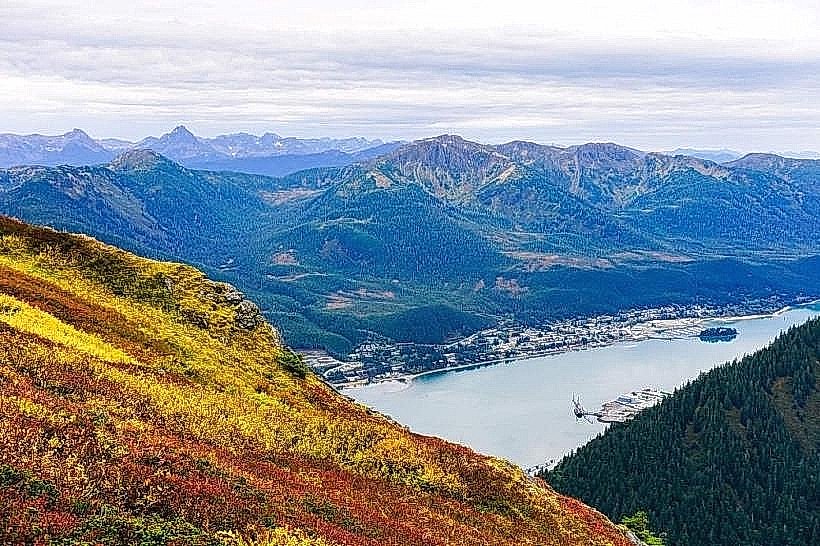
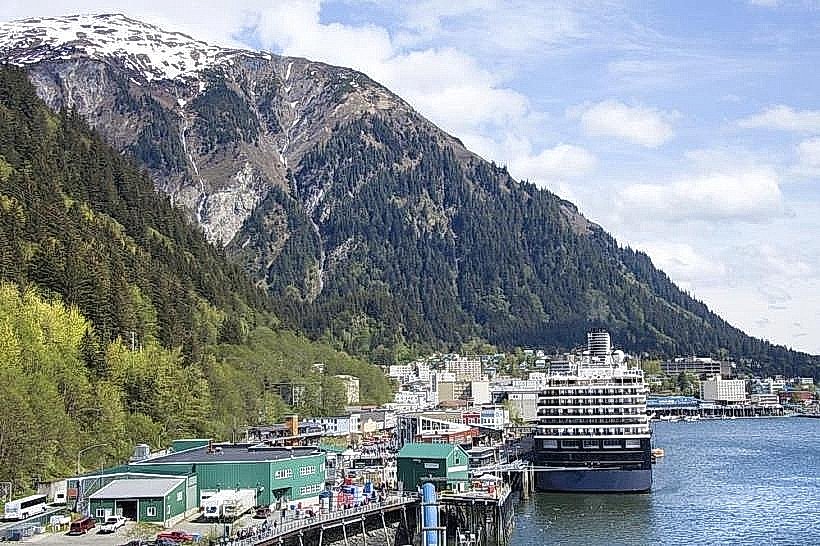
The forest stretches along the coastline, covering parts of the Alexander Archipelago and numerous islands, including Prince of Wales Island and Revillagigedo Island. Its landscapes feature:
Temperate Rainforests – Dense old-growth forests dominated by Sitka spruce, western hemlock, and red cedar, often draped in moss and ferns.
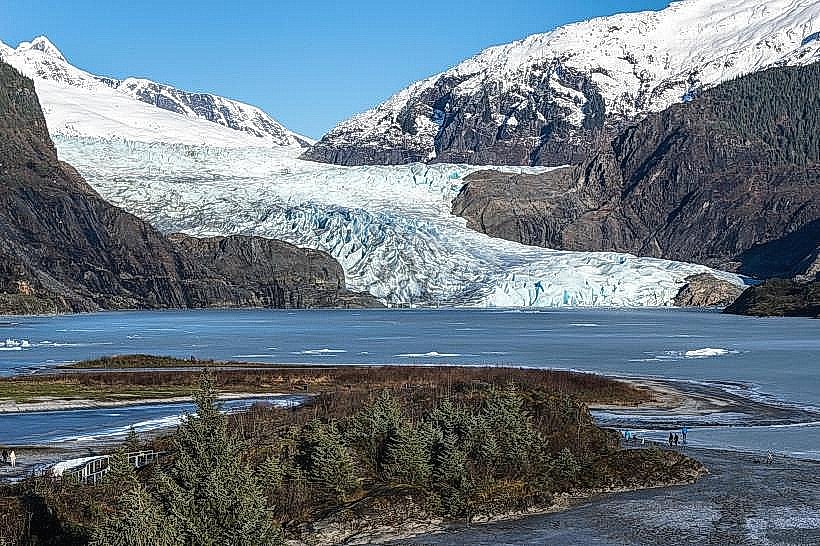
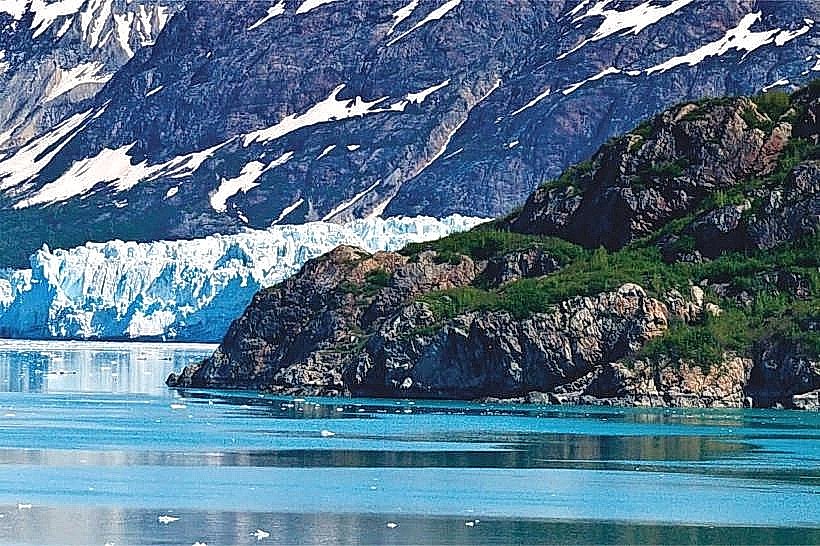
Glaciers and Fjords – Coastal glaciers feed fjords and inlets, creating dramatic scenery and nutrient-rich waters.
Mountains and Rivers – Rugged peaks rise sharply from the coast, with rivers and streams supporting salmon runs and other aquatic life.
Wildlife and Ecology
Tongass National Forest is a biodiversity hotspot, home to numerous species:
Mammals – Brown bears, black bears, Sitka black-tailed deer, wolves, and river otters.
Birds – Bald eagles, marbled murrelets, seabirds, and migratory songbirds.
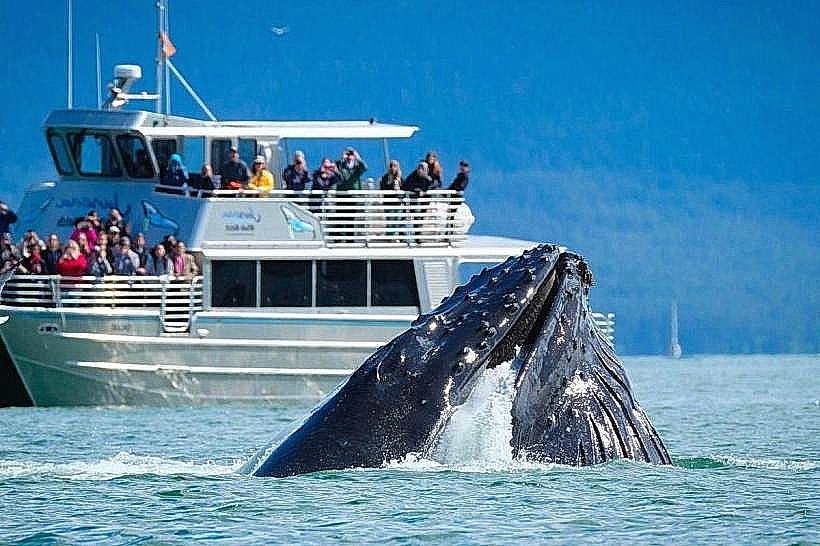
Marine Life – Salmon, halibut, seals, sea lions, and occasional whales thrive in the coastal waters and estuaries.
Plant Life – The old-growth forest features towering trees, moss-covered understory, and rare flora adapted to the wet, temperate climate.
Cultural and Historical Significance
Tongass has been home to Tlingit, Haida, and Tsimshian peoples for thousands of years. Indigenous communities rely on the forest for subsistence, cultural practices, and art, including totem carving and traditional fishing. European exploration, fur trading, and logging have influenced the forest’s modern history, while conservation efforts aim to balance economic use with ecological protection.
Recreation and Visitor Experience
Tongass offers layered experiences of wilderness and cultural engagement:
Hiking and Backcountry Exploration – Trails range from short walks to multi-day treks through old-growth forests and along fjords.
Wildlife Viewing and Photography – Opportunities to see bears, eagles, salmon, and coastal marine life.
Kayaking and Boating – Inlets and channels allow intimate access to fjords, glaciers, and remote islands.
Fishing and Hunting – Managed programs provide regulated access to salmon, halibut, and deer.
Cultural Interpretation – Visitor centers and indigenous programs provide insight into traditional uses and history.
Atmosphere and Impressions
The forest immerses visitors in a lush, green, and wet wilderness, where the interplay of dense canopy, rugged mountains, and coastal waters creates a sense of scale and serenity. Mist, rain, and changing light enhance the forest’s mystical quality, while wildlife activity adds dynamic energy. The Inside Passage waters reflect surrounding peaks, creating layered vistas from shorelines and boat-based perspectives.
Legacy
Tongass National Forest represents Alaska’s ecological and cultural richness, preserving vast tracts of old-growth forest and supporting both wildlife and indigenous traditions. It is a living testament to the interplay of nature, human history, and conservation, offering visitors a direct encounter with the temperate rainforest and coastal wilderness that defines southeastern Alaska.