Information
City: JuneauCountry: USA Alaska
Continent: North America
Juneau, USA Alaska, North America
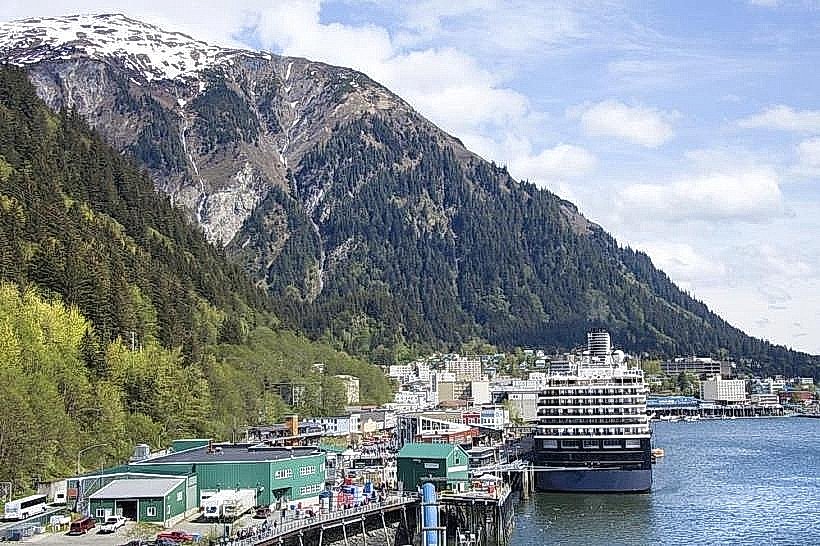
Juneau is the capital city of Alaska, unique for being the only U.S. state capital accessible exclusively by plane or boat. Located in the Alaska Panhandle at the base of Mount Juneau and across the Gastineau Channel from Douglas Island, it is defined by its dramatic rainforest terrain, the massive Mendenhall Glacier, and its role as the administrative heart of the state.
Historical Timeline
Inhabited for thousands of years by the Tlingit people (specifically the Aakʼw Kwáan). Founded in 1880 after Tlingit Chief Kowee guided prospectors Joe Juneau and Richard Harris to gold in Silver Bow Basin. A critical historical event occurred in 1906 when the seat of government was moved from Sitka to Juneau. Unlike most gold rush towns, Juneau transitioned successfully from mining to a government-based economy. The mid-20th century saw the closure of major hard-rock mines like Treadwell and AJ during WWII. In the 21st century, Juneau has balanced its role as a political hub with a massive seasonal cruise tourism industry.
Demographics & Population
The 2026 population is approximately 31,600. The demographics are White (63.5%), Native American (8.6%), Asian (7.2%), and Multiracial (16.9%). The economy is anchored by Government (over 40% of the workforce), Tourism (receiving 1.6+ million cruise passengers annually), and Mining (Hecla’s Greens Creek mine). The median household income is high, exceeding $100,000.
Urban Layout & Key Districts
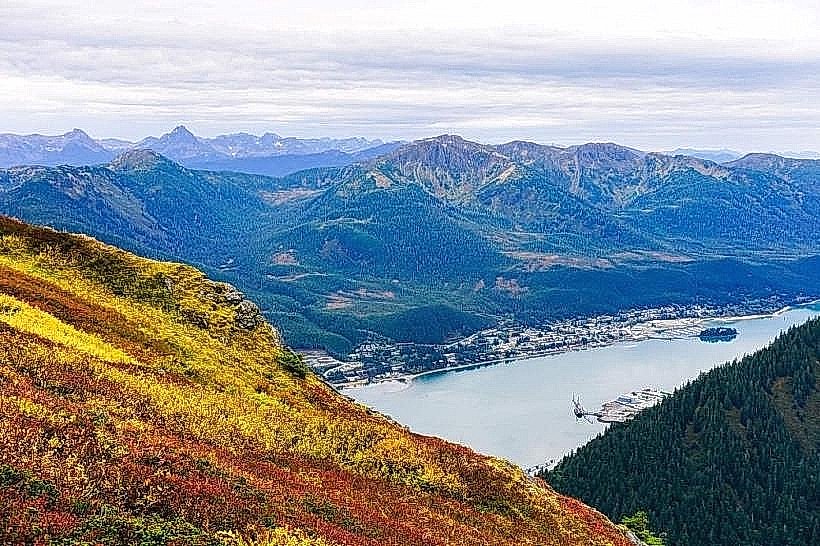
Juneau is geographically constrained by steep mountains and the sea, resulting in a long, linear footprint.
Downtown Juneau: The historic, walkable core featuring narrow streets, the State Capitol, and "South Franklin Street"-the primary tourist and retail corridor.
The Valley (Mendenhall Valley): The city’s primary residential area, located 15 km northwest of downtown; home to the Mendenhall Glacier and Juneau International Airport.
Douglas Island: Connected by bridge to downtown; a quieter residential area featuring Sandy Beach and the Eaglecrest Ski Area.
Auke Bay: The northern transit hub; home to the state ferry terminal, NOAA facilities, and University of Alaska Southeast.
Top City Landmarks
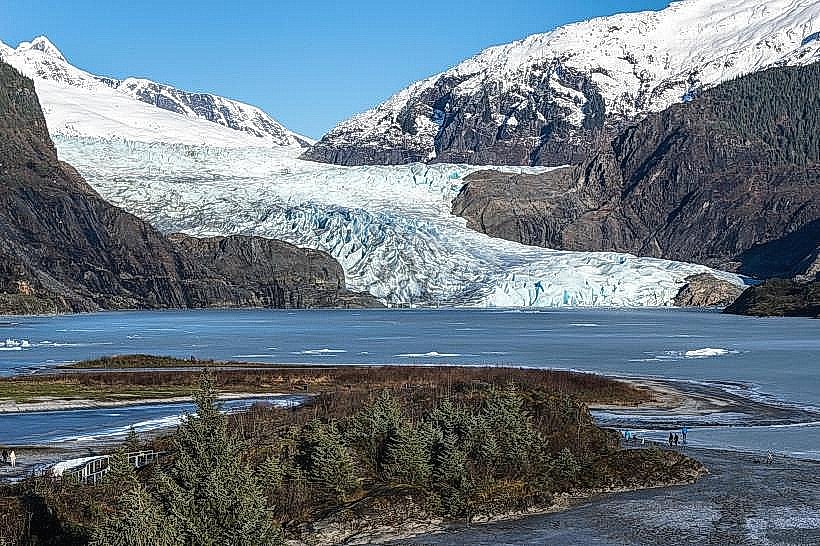
Mendenhall Glacier: A 21-kilometer-long glacier accessible by road; features the Nugget Falls trail and a world-class visitor center.
Mount Roberts Tramway: Ascends 1,800 feet from the cruise docks to a mountain observatory with panoramic views of the Gastineau Channel.
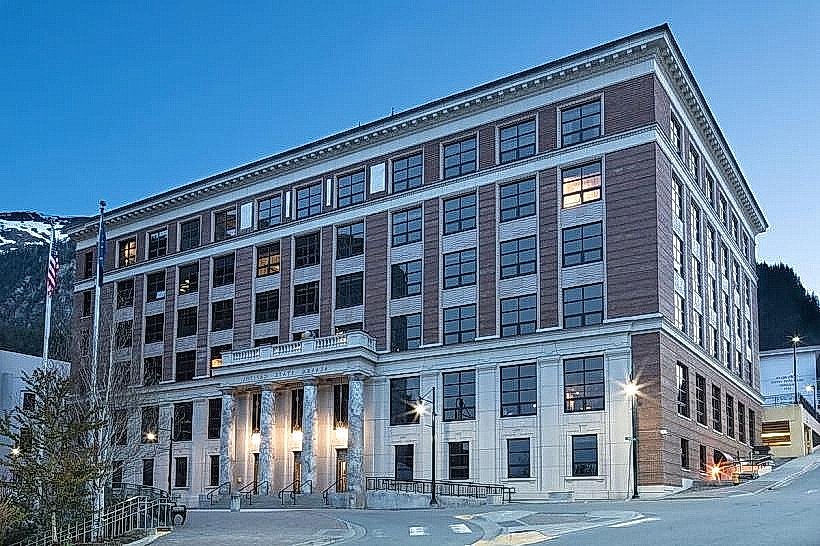
Alaska State Capitol: A rare functional capitol building without a dome, featuring four massive columns of Taku Inlet marble.
Alaska State Museum: Houses the most comprehensive collection of Tlingit, Haida, and Tsimshian artifacts in the state.
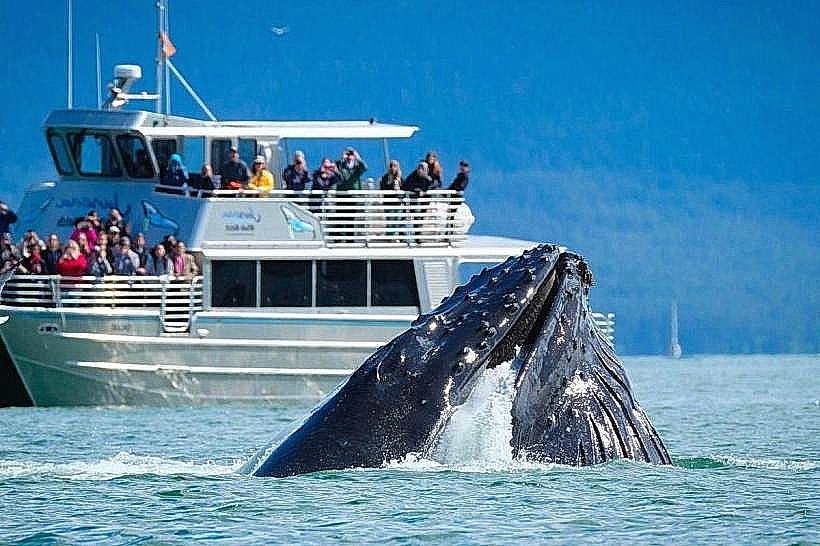
Tracy Arm Fjord: (Located 72 km south via boat); a spectacular glacial fjord featuring the twin Sawyer Glaciers and frequent whale sightings.
Red Dog Saloon: A legendary gold-rush era pub featuring swinging doors, sawdust floors, and historic mining memorabilia.
Shrine of St. Thérèse: A peaceful stone chapel located on a small tidal island accessible by causeway.
Transportation Network
Movement is via the Alaska Marine Highway System (ferries) or air. Juneau is not connected to the continental road system. Locally, Capital Transit provides bus service. Juneau International Airport (JNU) is the primary link to Anchorage and Seattle. The city is the only capital where legislators and citizens must fly or sail to reach the center of government.
Safety & "Red Zones"
The general safety level is high. Violent crime is rare in tourist areas, though property crime and issues related to seasonal homelessness occur in parts of Downtown. Environmental hazards are significant: Avalanche risk is extreme on Mount Juneau, and Jökulhlaups (glacial outburst floods) from Suicide Basin have caused record flooding in the Mendenhall Valley in recent years.
Digital & Financial Infrastructure
Internet speeds are high, with fiber-optic availability up to 1 Gbps via GCI and Alaska Communications. Main mobile carriers are GCI, AT&T, and Verizon. Card acceptance is universal. Alaska has no state income tax or state sales tax, though Juneau levies a local 5% sales tax.
Climate & Air Quality
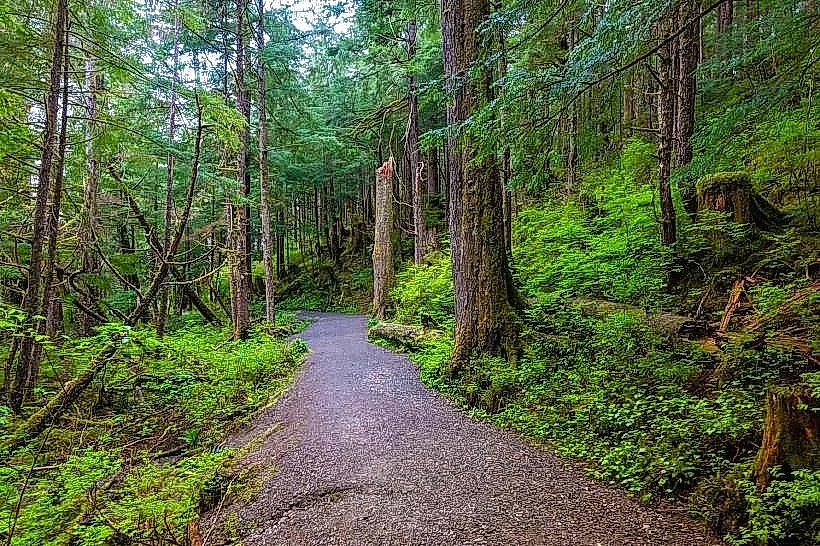
Temperatures range from -4°C to 1°C in winter and 10°C to 18°C in summer. Juneau is a temperate rainforest (Tongass National Forest), receiving over 1,500 mm of precipitation annually. Overcast skies are the norm. Air quality is exceptional.
Culture & Social Norms
The standard tipping percentage is 20%. A "Hardy-Pacific Northwest" greeting is standard. Dress codes are "Alaska-Casual" (Xtratuf boots and rain shells are socially acceptable in almost all settings). The city is culturally defined by its Indigenous Tlingit roots, Political discourse, and Outdoor subsistence (fishing and hunting).
Local Cost Index
1 Espresso: $5.50 (USD)
1 Standard Lunch: $18.00–$22.00 (USD)
1 Tramway Ticket: $50.00.
Nearby Day Trips
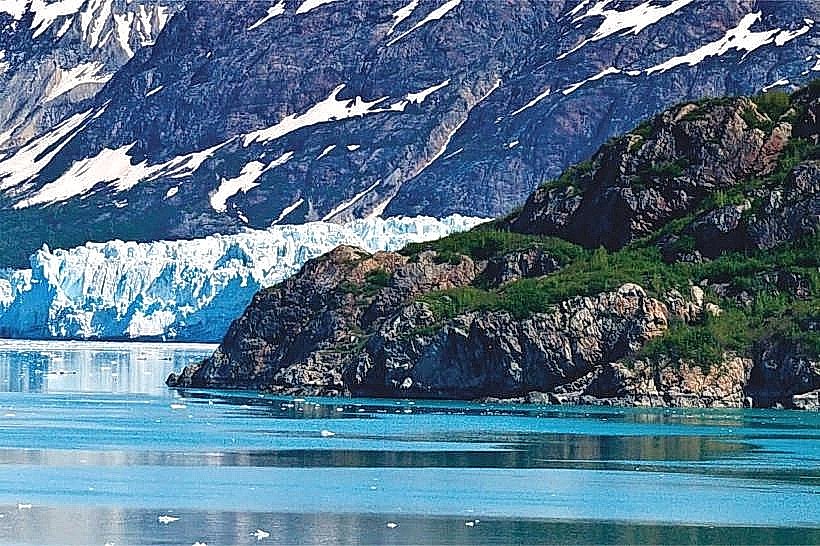
Gustavus / Glacier Bay: (Short flight west; a UNESCO World Heritage site).
Admiralty Island: (Accessible via floatplane; home to the world's highest density of brown bears).
Hoonah (Icy Strait Point): (Accessible by ferry/plane; a major Native-owned tourist destination).
Facts & Legends
Juneau is the largest U.S. city by land area-larger than the states of Rhode Island and Delaware combined-due to its sprawling borough boundaries. Historically, the town was nearly named "Harrisburg." A local legend involves Patsy Ann, a deaf Bull Terrier who "met" every ship arriving at the docks in the 1930s and was named the Official Greeter of Juneau; a bronze statue of her remains at the waterfront. Another legend concerns the "AJ Mine Tunnels," which are said to still crisscross miles beneath the city streets, some of which are rumored to be accessible through secret basement doors in older downtown buildings.