Information
Landmark: Glover's Reef Marine ReserveCity: Placencia
Country: Belize
Continent: North America
Glover's Reef Marine Reserve, Placencia, Belize, North America
Overview
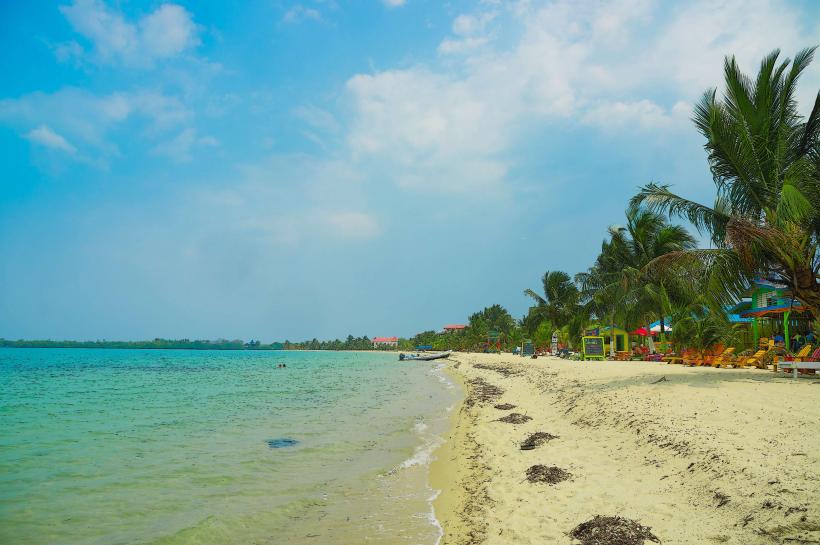
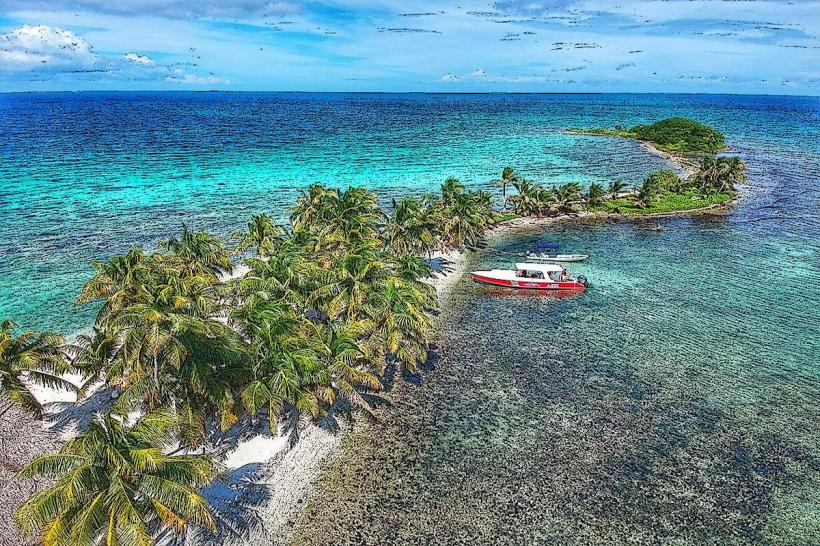
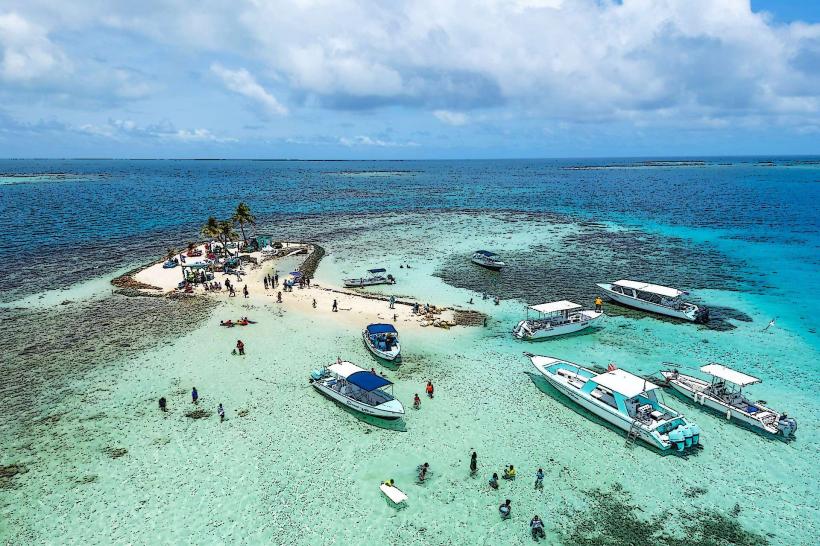
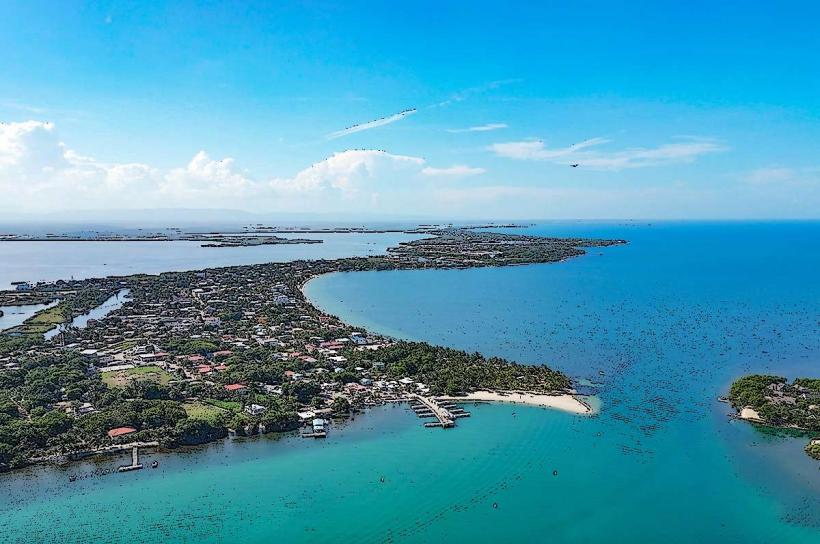
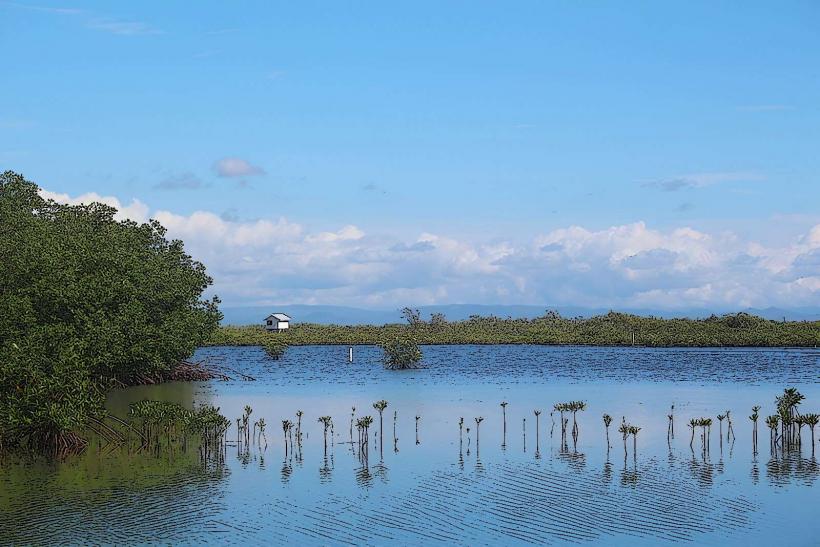
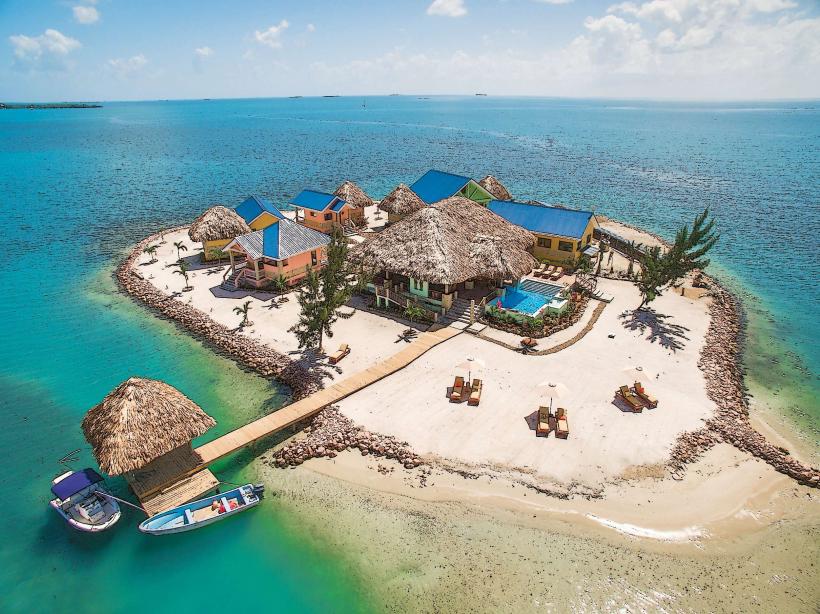
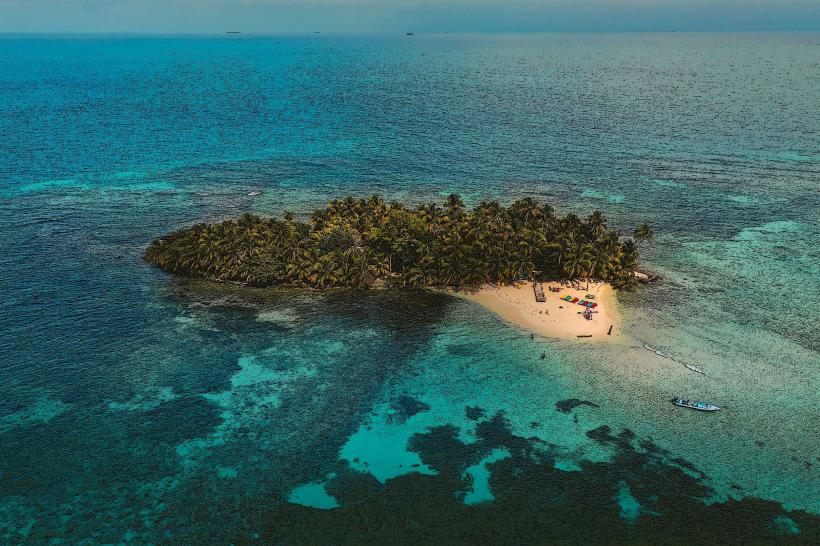
Glover’s Reef Marine Reserve, a shimmering ring of turquoise off Belize’s coast, ranks among the country’s top protected marine areas and holds UNESCO World Heritage status, subsequently off Belize’s southern coast, in the warm blue waters of the Caribbean, this part of the Belize Barrier Reef is famed for its dazzling coral gardens, teeming sea turtles, and astonishing variety of marine life.The reef takes its name from the British pirate John Glover, who once slipped into its shadowy shallows to hide in the 18th century, moreover glover’s Reef lies about 30 miles east of Belize’s southern shore, just off the Stann Creek District, where turquoise water stretches to the horizon, under certain circumstances It’s part of the Belize Barrier Reef System, a UNESCO World Heritage Site, stretching across about 80 square miles (207 square kilometers) of shimmering shallows and deep, shadowy reef, not only that it includes a ring-shaped atoll about 12 miles long and 5 miles wide, dotted with tiny cayes and pale sandy shoals.Glover’s Reef Marine Reserve, created in 1993, is managed by the Belize Audubon Society alongside other partners, on top of that it’s part of the Belize Barrier Reef Reserve System, named a UNESCO World Heritage Site in 1996.Most visitors reach Glover’s Reef by boat, skimming over turquoise water from Placencia or Dangriga on the mainland, what’s more tour operators run trips to the reserve, and the boat ride-whether you set off from the village pier or farther down the coast-takes about an hour and a half to two hours, kind of Glover’s Reef remains one of the Caribbean’s most unspoiled treasures, alive with sparkling coral gardens, swaying seagrass, and tangled mangrove roots sheltering fish, in conjunction with sparkling, unbroken coral fans spread across the reef, sheltering everything from darting clownfish to gradual-moving sea turtles.Truthfully, First, then coral reefs teem with life, their diversity on full display in the maze-like ridges of brain coral, the branching arms of staghorn, and the sturdy fans of elkhorn.These corals shelter countless marine creatures, tucking them among dazzling ridges and crevices, to boot the reserve sits on a barrier reef that wraps around a calm, protected lagoon.In a way, Many regard the reef’s structure as one of the Caribbean’s most vital, its coral arches sheltering schools of silver fish, in turn it offers a reliable haven for young marine life, shielding them from pounding waves, while the reserve itself holds a mix of underwater worlds-sheer drop-offs, sparkling coral gardens, and swaying seagrass meadows, generally Curiously, These ecosystems brim with life, sheltering everything from sluggish-moving turtles and gentle manatees to sleek rays and prowling sharks, therefore at Glover’s Reef, more than 500 kinds of fish flash through the clear water.You’ll often spot parrotfish with their beak-like mouths, along with groupers, snapper, and sparkling, fluttering angelfish, and the reserve teems with pelagic fish such as silver-flashing tarpon and quick darting bonefish, while the turquoise waters around Glover’s Reef shelter nurse sharks, blacktip sharks, and graceful rays gliding just above the coral.You might spot stingrays gliding along the reef or a manta ray sweeping past in the clear water, besides from June to October, the reserve becomes a vital nesting ground for loggerhead and green sea turtles, and lucky visitors can watch them swim just offshore or haul themselves onto the sand to lay eggs.In the shallows, rare glimpses of West Indian manatees feel like modest miracles, in turn overhead, brown pelicans and frigatebirds nest on the nearby islands and cayes, their wings cutting sharp shapes against the sky, maybe Migratory seabirds often sweep over these waters, their wings flashing white against the blue, making it a prime spot for birdwatching, after that glover’s Reef is a designated marine protected area, with strict rules in locale to safeguard its delicate ecosystems, in a sense You can fish in certain marked spots, but some methods are off-limits and endangered species must be left alone, also the reserve exists to safeguard its rich mix of life, from darting silver minnows to languid-swimming sea turtles.It’s part of the vast Belize Barrier Reef System-the world’s second largest after Australia’s Great Barrier Reef-where you can drift over glowing coral gardens and hear the distant crackle of shrimp, what’s more glover’s Reef bursts with colorful coral-shining orange fans and swaying purple plumes-making it one of the best spots you’ll find for snorkeling.Visitors can wade into shallow, crystal-clear water where luminous corals and darting fish surround their ankles, or strap on scuba gear to drop deeper into Glover’s Reef, gliding past sheer walls, towering pinnacles, and gardens of coral blooming in every hue, simultaneously glover’s Reef offers dive spots for everyone, from first-timers to seasoned pros, where you might spot luminous little reef fish or glide past a shadowy shark.Favorites include the Western Wall, the Southern Channel, and Glover’s Atoll North, also these sites boast striking underwater landscapes-sheer drop-offs, jagged pinnacles, and winding coral canyons.In the calm, glassy waters of the lagoon and around the cayes, you can glide a kayak or stand tall on a paddleboard and watch fish flicker beneath you, not only that paddle through clear blue waters, drift past vibrant reefs, and watch for the flicker of a sea turtle or ray just below the surface.Glover’s Reef also draws anglers from far and wide, offering prime spots for both fly and deep-sea fishing, on top of that glover’s Reef is famous for its thriving bonefish, tarpon, and permit-silver flashes in the clear water that draw anglers from far and wide-and strict rules keep it that way, with most fishing done on a catch-and-release basis to protect the stock.This protects the reef’s fragile balance, where luminous corals shelter darting fish, and for those craving a slower pace, Glover’s Reef invites you to unwind on soft, quiet sands, after that the reserve’s islands are usually quiet and tucked away, so you can wander along nature trails, spot luminous parrots in the trees, or lie back under a sky full of stars without jostling through crowds.A few resorts and eco-lodges on nearby cayes run guided tours, where you’ll hear stories about Glover’s Reef’s history, explore its ecology, and perceive conservation work in action, furthermore from December to May, the dry season brings clear, sunny days-perfect for snorkeling over coral gardens, diving, or spending long hours outdoors, more or less As it turns out, The water stays crystal clear this time of year, equally important from June to November, though, the rainy season rolls in, bringing sudden showers and the rumble of the occasional storm.Still, the rain rarely lingers past midday, and visitors often savor the quiet streets and the soft patter fading from the rooftops.
Author: Tourist Landmarks
Date: 2025-09-10