Information
Landmark: Hamamni Persian BathsCity: Zanzibar
Country: Tanzania
Continent: Africa
Hamamni Persian Baths, Zanzibar, Tanzania, Africa
Overview
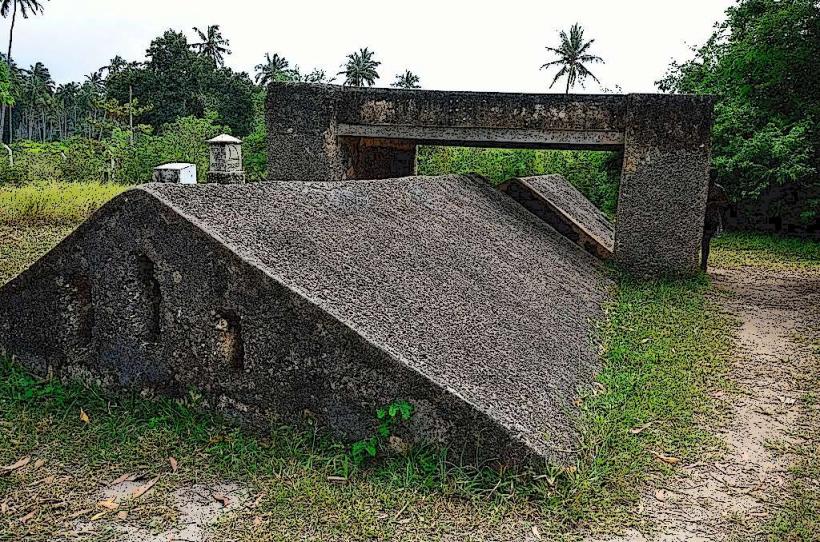
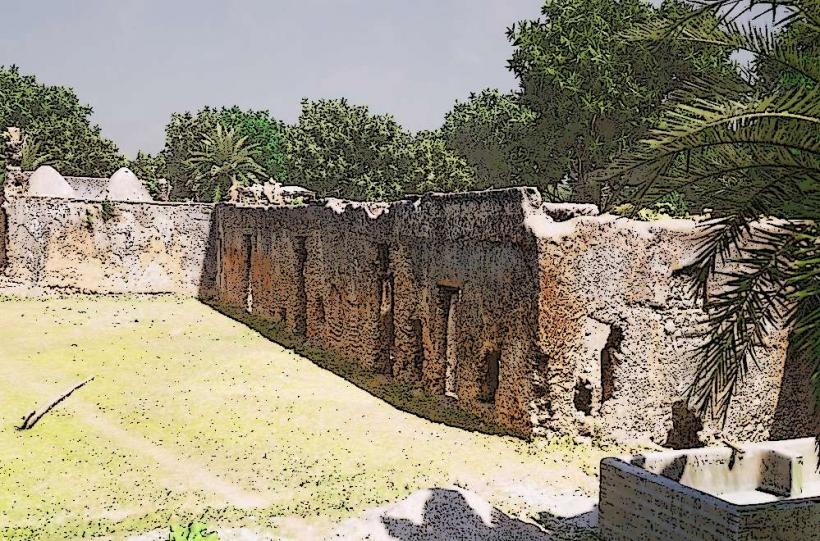
The Hamamni Persian Baths, a centuries-historic landmark in Zanzibar, stand among Stone Town’s most fascinating historic sites, their cool stone halls echoing with traces of the past, what’s more dating back to the early 1800s, these baths combine Arab and Persian design, inviting visitors to step inside and imagine the warm steam and ornate tilework of a bygone era’s lavish bathing rituals.Honestly, Once, the wealthy came here to soak in warm water and trade stories; now, the baths stand as a quiet reminder of Zanzibar’s rich blend of cultures and its layered history, furthermore the Hamamni Persian Baths, a 19th-century bathhouse in Stone Town, Zanzibar City, sit just a short stroll from the House of Wonders, the fragrant Forodhani Gardens, and the Anglican Cathedral of Christ Church; they’re usually open daily from 9 a.m. To 5 p.m, though hours can shift, and visitors should expect a modest, variable entry fee depending on the tour provider, in turn persian and Arab architecture left a clear mark on the Hamamni Persian Baths, which Sultan Barghash bin Said built in the late 1800s, their whitewashed walls still cool to the touch.Sultan Barghash, ruler of the Sultanate of Zanzibar, drew heavily on Persian and Arab traditions, weaving their influence into daily life on the island, at the same time the Hamamni Persian Baths still show it-walls glint with patterned tiles, carvings trace delicate lines along the plaster, and wide, echoing rooms invite both rest and conversation.Originally, the baths served as a private retreat for the Sultan and his court, in addition over time, Zanzibar’s elite gained access to the baths, using them not just for bathing but for lingering over quiet talks, sharing news, and reclining in the warm, scented steam, to some extent They became a symbol of luxury, a area where the wealthiest residents could savor comfort and cleanliness in an age when daily bathing was considered essential, in turn by the mid-20th century, however, shifting habits and modern conveniences left the Hamamni Persian Baths silent and unused.The building still stands, carefully preserved, and now draws visitors as a key historical and cultural landmark in Stone Town, where the cool stone walls whisper stories of the island’s past, in addition one of the main draws of the Hamamni Persian Baths is its architecture, from the high arched ceilings to the cool, echoing halls.Honestly, The two-story building boasts sweeping arches, delicate tile patterns that catch the light, and lofty domed ceilings, while in the main bath, wide heated rooms welcome several visitors at a time.Traditional Persian tiles line the walls, their patterns rich with deep blues, while smooth stone floors keep the air cool underfoot, likewise the baths curve around a central courtyard that pours in sunlight and draws a soft breeze through the building.The space blends practicality with beauty, offering a calm, restful atmosphere where the light falls softly across tiled floors, while the bathing areas echoed the design of traditional Persian hammams, divided into three parts: a warming room where guests sat in gentle heat to prepare, a main hall lined with deep basins for soaking, and a cooling room where the air helped the body settle back to its normal temperature.Beneath it all ran an ingenious steam and fiery water system, a remarkable achievement for its time, simultaneously sweltering water flowed through a maze of pipes and roaring furnaces, much like the ones you’d spot in a modern spa or hammam, filling the air with fragrant steam that cleansed and refreshed the body.The heat loosened muscles, letting bathers sink into deep relaxation, at the same time and beyond the comfort, the baths buzzed with conversation-they were as much about people as they were about hygiene.People often met at the baths to talk, strike business deals, or debate politics over the echo of running water, equally important their roomy layout made it easy for groups to linger and interact, a design that shows just how central the Hamamni Persian Baths were to daily life.Step inside the Hamamni Persian Baths and you’ll catch a glimpse of 19th‑century Zanzibar, where the island’s elite lounged in warm, scented steam and lived in quiet luxury, besides with arches and domes shaped by Persian and Arab influence, the Hamamni Persian Baths embody the island’s layered heritage; here, bathing once meant more than soap and water-it was a fragrant, steamy ritual woven into daily life under the Sultanate of Zanzibar.Now preserved as part of Stone Town’s UNESCO-listed legacy, the baths invite visitors to admire their fine craftsmanship while tracing the island’s cultural story, meanwhile a stroll from the entrance leads easily to nearby landmarks like the House of Wonders, Forodhani Gardens with its evening scent of grilled seafood, the Anglican Cathedral, the Sultan’s Palace Museum, and the solemn Slave Chambers., in a sense
Author: Tourist Landmarks
Date: 2025-09-13