Information
Landmark: Hverfisgata StreetCity: Reykjavik
Country: Iceland
Continent: Europe
Hverfisgata Street, Reykjavik, Iceland, Europe
Hverfisgata Street is a significant urban thoroughfare located in the central district of Reykjavik, Iceland, serving as a primary route for both residential and commercial traffic.
Visual Characteristics
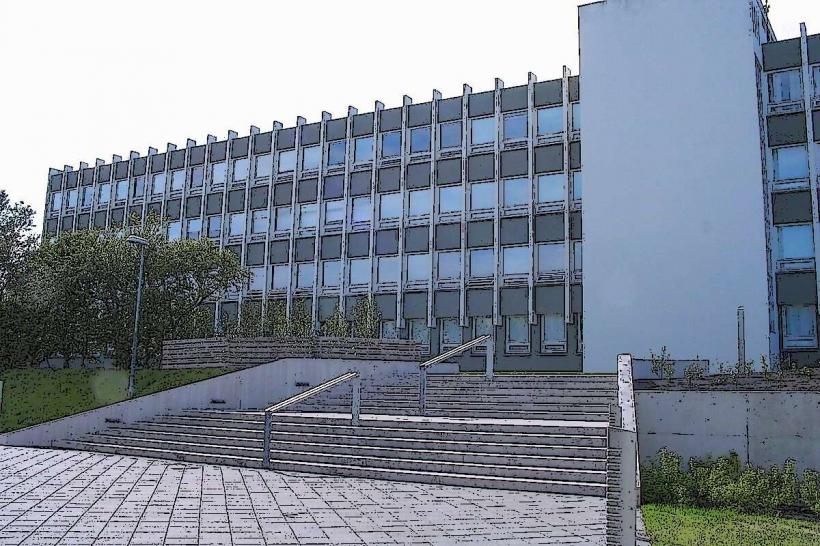
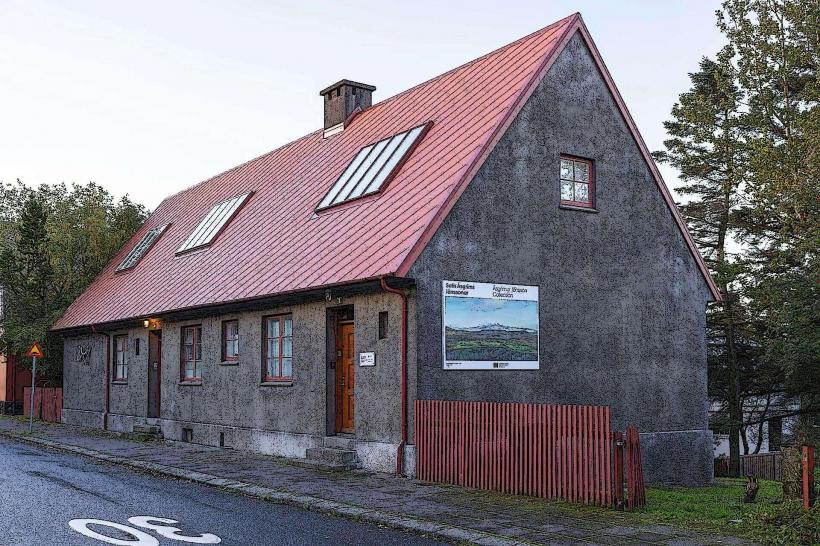
The street features a mix of architectural styles, predominantly 2-4 story buildings constructed from corrugated iron cladding over timber frames, concrete, and some older stone structures. Building facades display a diverse palette of colors, ranging from traditional muted tones to bright, contemporary hues. The streetscape is generally linear, with consistent building heights defining the urban canyon. Pavements are typically concrete or asphalt, with occasional small green spaces or street trees.
Location & Access Logistics
Hverfisgata runs parallel to Laugavegur, Reykjavik's main shopping street, extending from the city center near Ingólfstorg eastward towards the Sæbraut coastal road. It is approximately 0.5km from the city center. Street parking is available along sections of Hverfisgata, primarily metered and requiring payment via parking apps or machines. Public transport is accessible via Strætó bus lines, with several stops located directly on or adjacent to Hverfisgata, connecting to various parts of the city. Specific lines like 1, 3, 6, and 14 serve the area.
Historical & Ecological Origin
Hverfisgata developed as Reykjavik expanded in the late 19th and early 20th centuries, evolving from a rural path into a key urban artery. Its original purpose was to facilitate residential growth and provide an alternative route to the main commercial street, Laugavegur. The street's development reflects the city's transition from a small fishing town to a modern capital, with many buildings dating from the early 1900s showcasing typical Icelandic urban architecture of the period.
Key Highlights & Activities
Visitors can walk the length of Hverfisgata to observe its varied architecture and urban character. The street hosts numerous independent shops, art galleries, and restaurants. Specific activities include dining at local eateries, browsing unique boutiques, and experiencing the daily rhythm of Reykjavik life. Several cultural institutions and hotels are also situated along the street.
Infrastructure & Amenities
Restrooms are available within the numerous cafes, restaurants, and hotels located along Hverfisgata. Shade is limited, primarily provided by the buildings themselves, particularly on the northern side during the afternoon. Cell phone signal (4G/5G) is consistently strong throughout the street due to its central urban location. A wide array of food vendors, including cafes, bakeries, and full-service restaurants, are readily available.
Best Time to Visit
The street is accessible year-round. For general exploration and photography, daylight hours are optimal. During summer months (June-August), the extended daylight provides ample time for walking and outdoor dining, with average temperatures ranging from 10-15°C. Winter months (November-February) offer a different ambiance with festive lights and potential snow cover, though daylight hours are significantly shorter. No specific tide requirements apply to visiting the street.
Facts & Legends
Hverfisgata was historically known for housing the city's first cinema, Gamla Bíó, which opened in 1912 and remains a significant cultural venue today. A lesser-known fact is that the street's name, "Hverfisgata," translates to "Neighborhood Street," reflecting its original role in connecting different parts of the growing city.
Nearby Landmarks
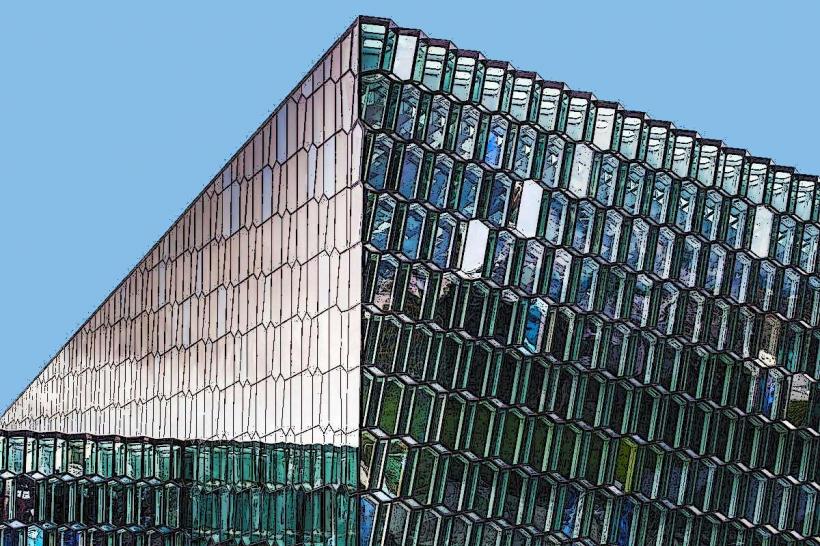
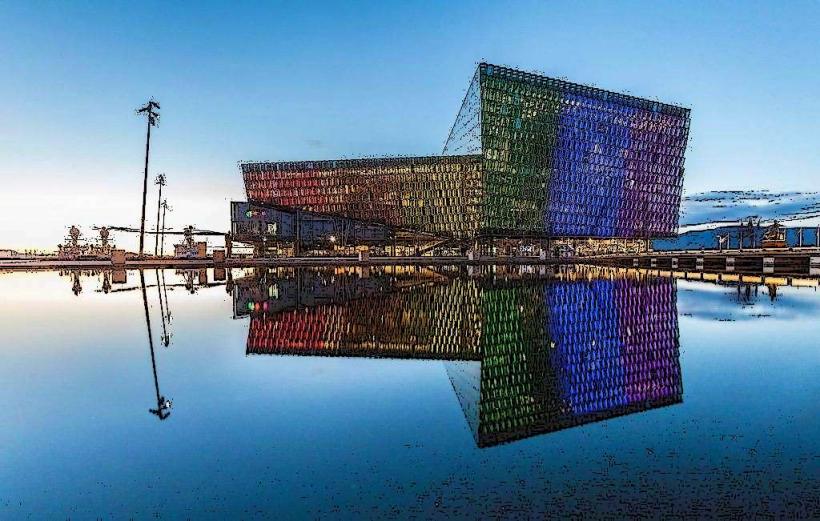
- Harpa Concert Hall and Conference Centre: 0.5km North
- Laugavegur Shopping Street: 0.1km South (parallel)
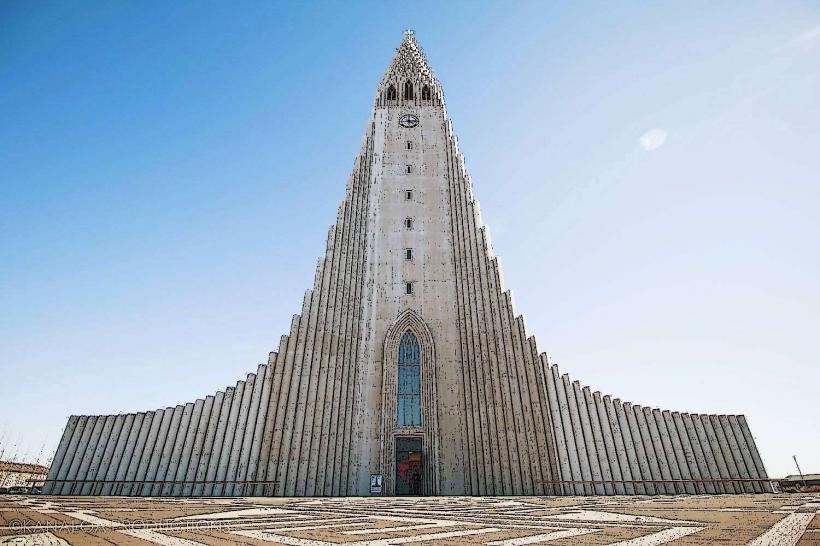
- Hallgrímskirkja Church: 1.2km Southwest
- The National Gallery of Iceland: 0.8km Southwest
- Reykjavik Old Harbor: 1.0km Northwest