Information
City: ReykjavikCountry: Iceland
Continent: Europe
Reykjavik, Iceland, Europe
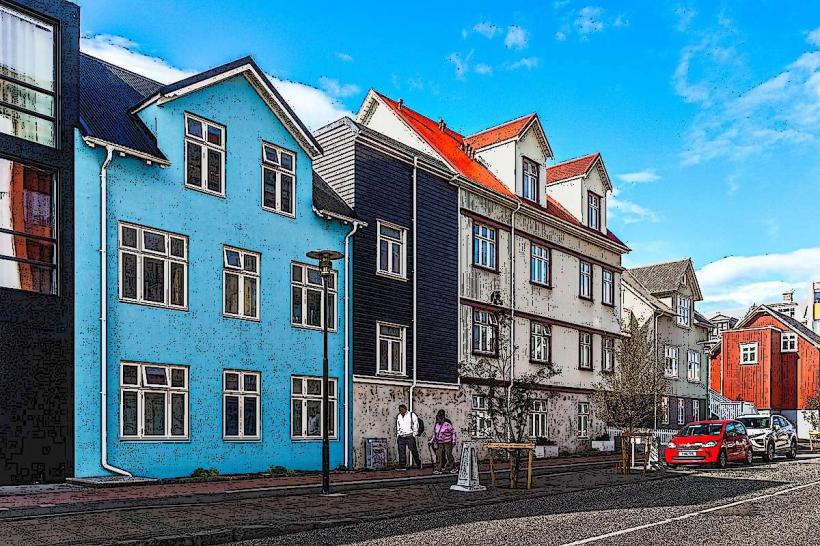
Reykjavik serves as the administrative, cultural, and economic epicenter of Iceland. It is the world’s northernmost capital of a sovereign state, characterized by its low-rise colorful corrugated iron architecture, a carbon-neutral energy grid, and a rapid transition toward high-density urbanism.
Historical Timeline
Founded in 874 by Ingólfur Arnarson, the site remained farmland for nearly a millennium. The primary event shaping its modern urban form was the 1752 establishment of the Innréttingar wool workshops by Skúli Magnússon, which transitioned the settlement from a farm to a village. The city’s growth was further accelerated by the 1940 British and 1941 American occupation during WWII, which provided the infrastructure (including the airport and roads) and capital that transformed the "primitive village" into a modern Nordic capital.
Demographics & Population
The population of the Greater Reykjavik area is approximately 254,000 (2026 estimate), accounting for roughly 64% of Iceland's total population. The demographic is increasingly international, with significant Polish (6%) and Lithuanian communities. The median age is approximately 37.4 years.
Urban Layout & Key Districts
The city is undergoing a shift toward the "15-minute city" model. Key districts include Miðborg (101), the historic and commercial heart; Vesturbær, a prestigious residential and university area; Laugardalur, the recreational hub containing the national stadium and botanical gardens; and Grandagarður, a former industrial harbor area converted into a trendy "Food District."
Top City Landmarks
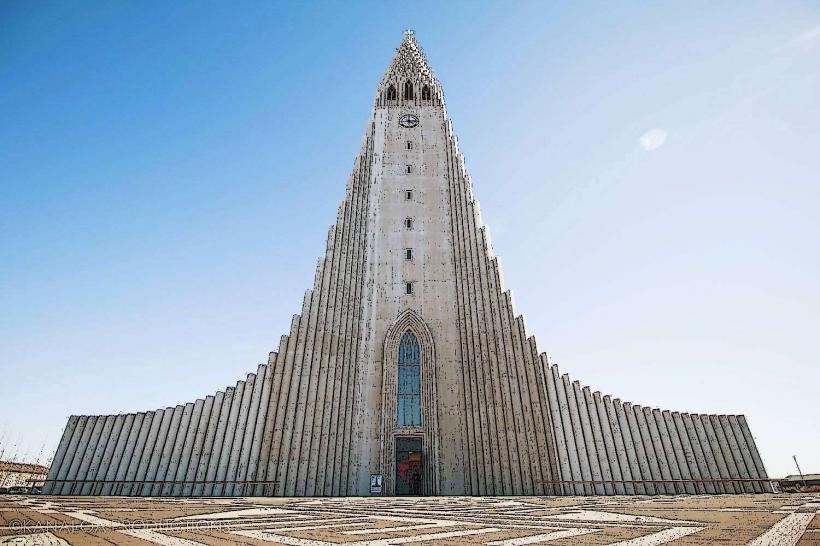
Hallgrímskirkja: Iconic expressionist church visible from almost everywhere in the city.
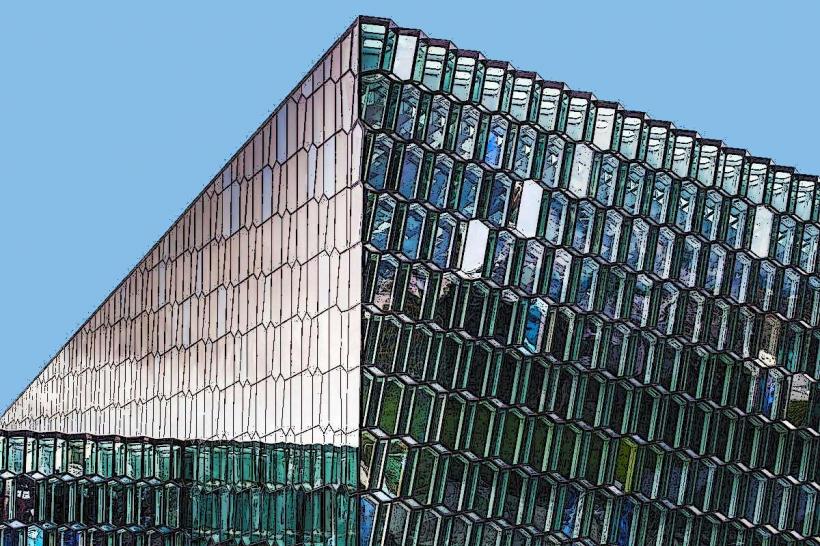
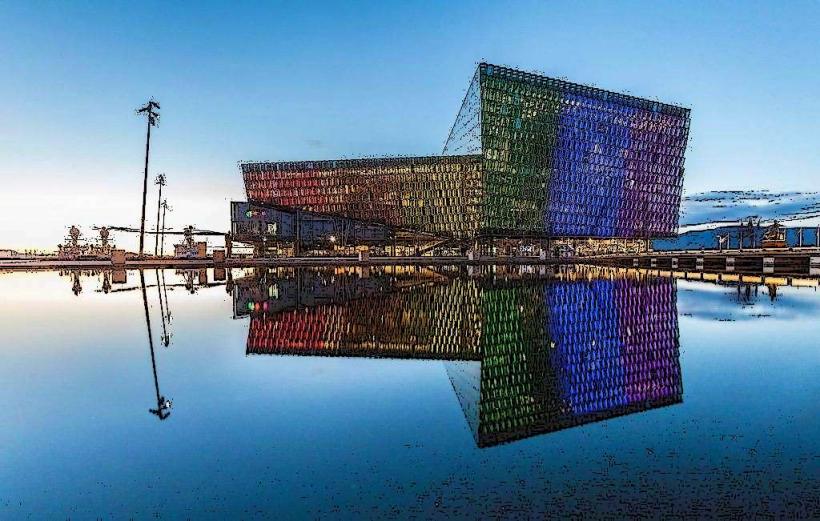
Harpa Concert Hall: Award-winning glass-facade landmark at the harbor.
Sun Voyager (Sólfar): Stainless-steel sculpture of a dream boat.
Perlan: A revolving glass dome atop hot water storage tanks with a 360° observation deck.
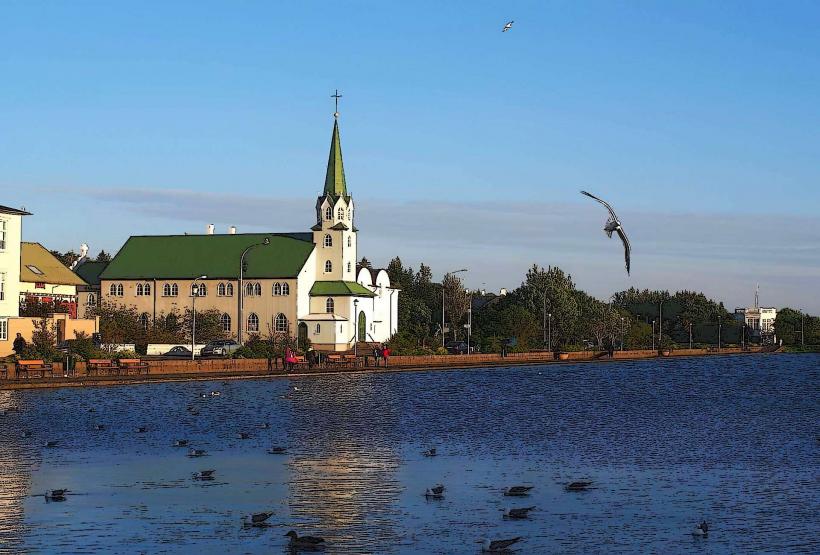
Tjörnin: The central lake adjacent to City Hall.
Transportation Network
Movement is currently dominated by private vehicles and the Strætó bus network. A transformative Bus Rapid Transit system, Borgarlína, is currently under construction (Phase 1 completion expected late 2026/2027). Public transport is not free; a single fare is approximately 630 ISK. Air travel is split between Keflavík International (KEF) for global flights and Reykjavik Airport (RKV) for domestic/Greenland routes.
Safety & "Red Zones"
The safety level is world-leading with near-zero violent crime. There are no "red zones." The primary risks are environmental: sudden weather shifts and gale-force winds. During the current active volcanic period on the Reykjanes Peninsula, check the Department of Civil Protection for localized air quality alerts or road closures, though the city itself remains secure from lava flows.
Digital & Financial Infrastructure
Average internet speed is 1–10 Gbps via a near-universal fiber-optic network. Main carriers are Síminn, Nova, and Vodafone. Iceland is effectively a cashless society; card and mobile payment acceptance is 100%. ATMs are available but rarely needed.
Climate & Air Quality
Temperatures range from -5°C in winter to 15°C in summer. Air quality is generally exceptional, though localized "winter smog" can occur due to studded tires on asphalt. The city is 100% powered by geothermal and hydroelectric energy, making it one of the cleanest urban environments globally.
Culture & Social Norms
Tipping is not required or expected, as service is included in the price. The culture is defined by "Þetta reddast" (the belief that things will work out). Social life revolves around public geothermal swimming pools, which function as communal town squares. Dress code is "weather-appropriate" (layers) rather than formal.
Accommodation Zones
Stay in 101 (Downtown) for nightlife, dining, and landmarks.
Stay in Grandagarður for a modern, harbor-front experience.
Local Cost Index
1 Espresso: 650 – 850 ISK ($4.75 – $6.20)
1 Standard Lunch (Soup/Sandwich): 2,500 – 3,500 ISK ($18 – $25)
1 Pint of Local Beer: 1,200 – 1,600 ISK ($8.75 – $11.75)
Nearby Day Trips
The Golden Circle: Þingvellir, Geysir, and Gullfoss (45–90 min).
Blue Lagoon / Sky Lagoon: Geothermal spas (15–45 min).
South Coast: Seljalandsfoss and Vik (2–2.5 hours).
Facts & Legends
Reykjavik is the only capital city in the world that is home to a major Atlantic Puffin breeding colony within city limits (Akurey island). Local legend claims the city’s location was chosen by the gods when Ingólfur Arnarson threw his wooden throne pillars overboard and built his farm where they washed ashore, while a verified historical fact is that the city’s district heating system is so extensive that many downtown sidewalks are geothermally heated to remain snow-free in winter.