Information
Landmark: Indian Pueblo Cultural CenterCity: Albuquerque
Country: USA New Mexico
Continent: North America
Indian Pueblo Cultural Center, Albuquerque, USA New Mexico, North America
The Indian Pueblo Cultural Center is an institution dedicated to the preservation and celebration of Pueblo culture, located in Albuquerque, New Mexico, USA.
It serves as a hub for education, cultural exchange, and the showcasing of art and history from the 19 Pueblos of New Mexico.
Visual Characteristics
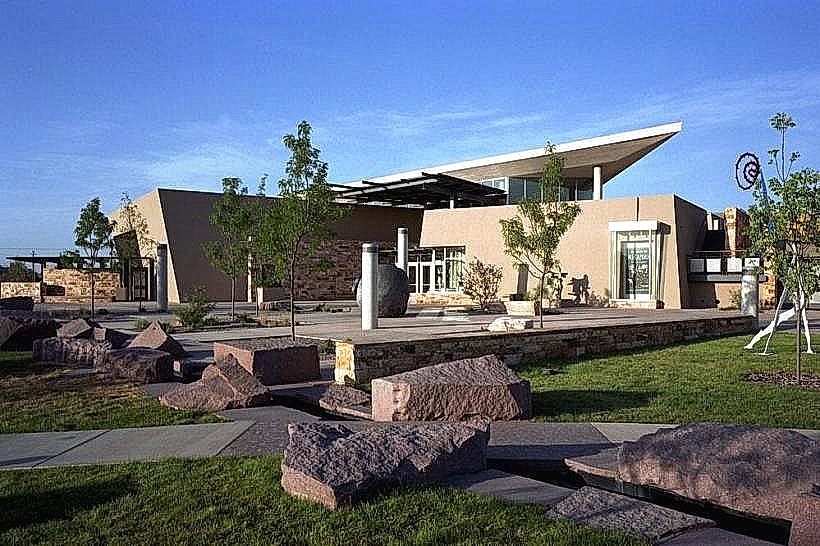
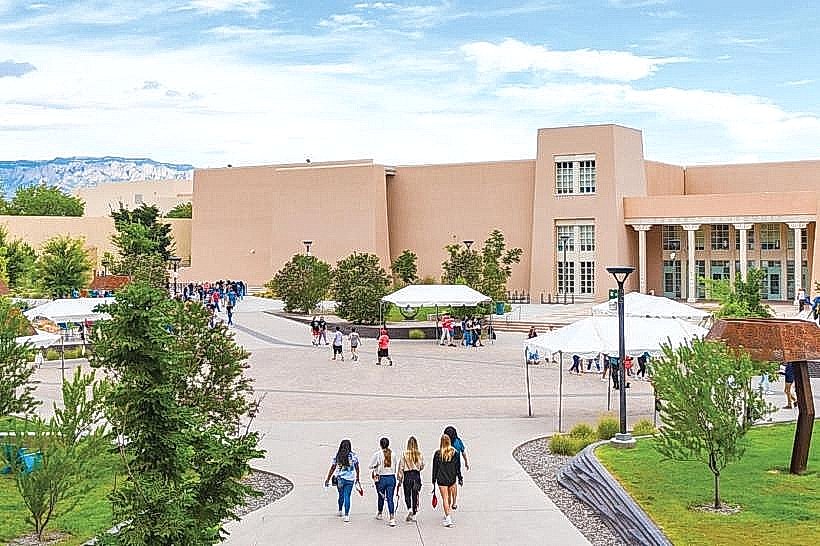
The center's architecture is designed to reflect traditional Pueblo styles, utilizing adobe-like materials and earth tones. The main building features a low-profile, multi-level structure with courtyards and open spaces. Interior exhibits are housed in climate-controlled galleries.
Location & Access Logistics
The Indian Pueblo Cultural Center is situated at 301 San Felipe NW, Albuquerque, NM 87104. It is approximately 3.2 kilometers (2 miles) west of downtown Albuquerque. Ample free parking is available on-site. Public transport options include the ABQ Ride Route 53 (Central/Unser) bus, which stops directly in front of the center.
Historical & Ecological Origin
The center was established in 1976 by the 19 Pueblos of New Mexico. Its purpose is to provide a platform for the Pueblos to share their heritage, history, and contemporary life with the public. The land itself is part of the ancestral territory of the Tiguex Pueblo people.
Key Highlights & Activities
Visitors can explore permanent and rotating exhibits detailing Pueblo history, art, and daily life. The center hosts daily Native American dances and cultural presentations in the courtyard. A museum store offers authentic Pueblo pottery, jewelry, and art. The Pueblo Harvest Cafe serves traditional and contemporary Southwestern cuisine.
Infrastructure & Amenities
Restrooms are available throughout the facility. Shaded areas are provided in the courtyards. Cell phone signal (4G/5G) is generally strong within the center and its immediate surroundings. Food vendors are located within the Pueblo Harvest Cafe.
Best Time to Visit
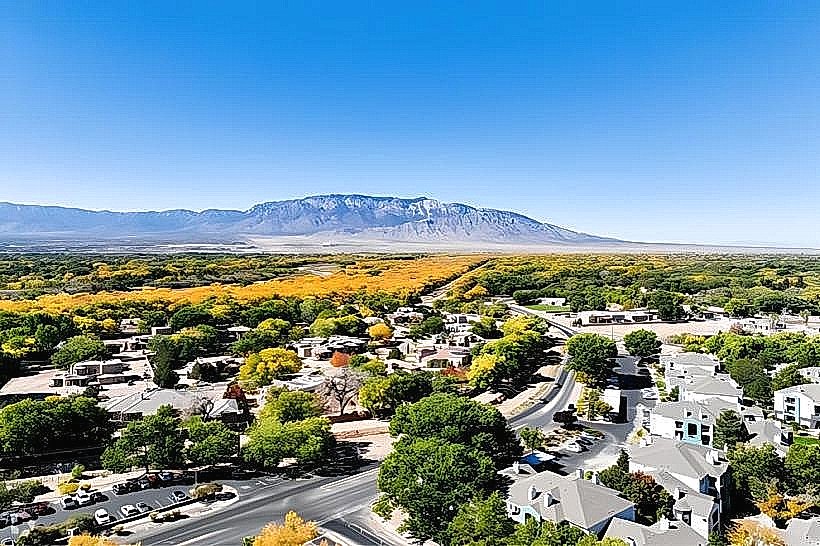
The center is open daily from 9:00 AM to 5:00 PM. Cultural dances typically occur in the afternoon. For optimal lighting for photography of the exterior architecture, late morning or late afternoon is recommended. The climate in Albuquerque is generally dry year-round, with mild winters and warm summers.
Facts & Legends
A unique aspect of the center is its commitment to showcasing contemporary Pueblo artists alongside historical artifacts, demonstrating the ongoing evolution of Pueblo culture. The center's design incorporates elements that reflect the cosmology and traditional building practices of the Pueblos.
Nearby Landmarks
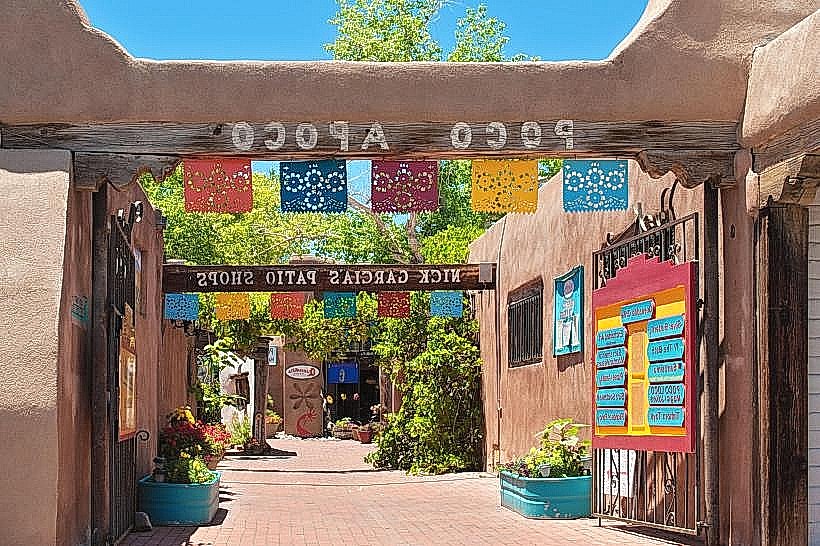
- 0.8km East: Old Town Albuquerque
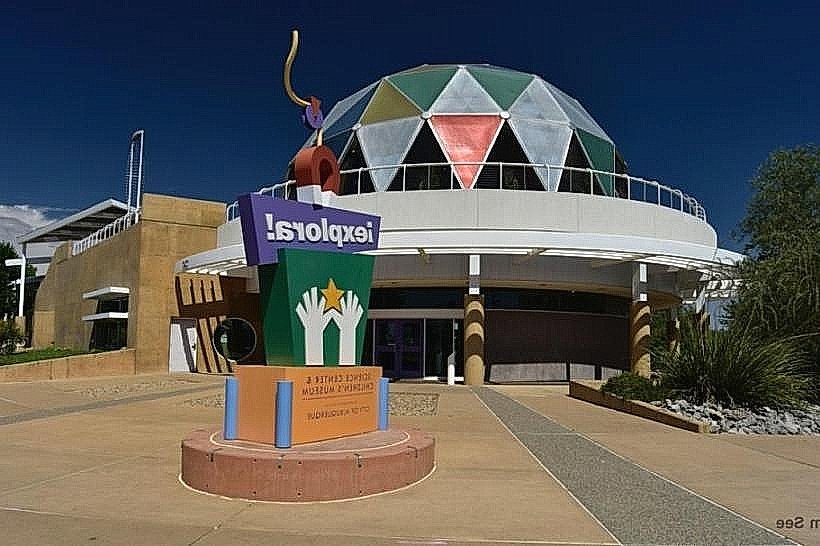
- 1.5km Southeast: Explora Science Center and Children's Museum
- 2.0km East: Albuquerque Museum
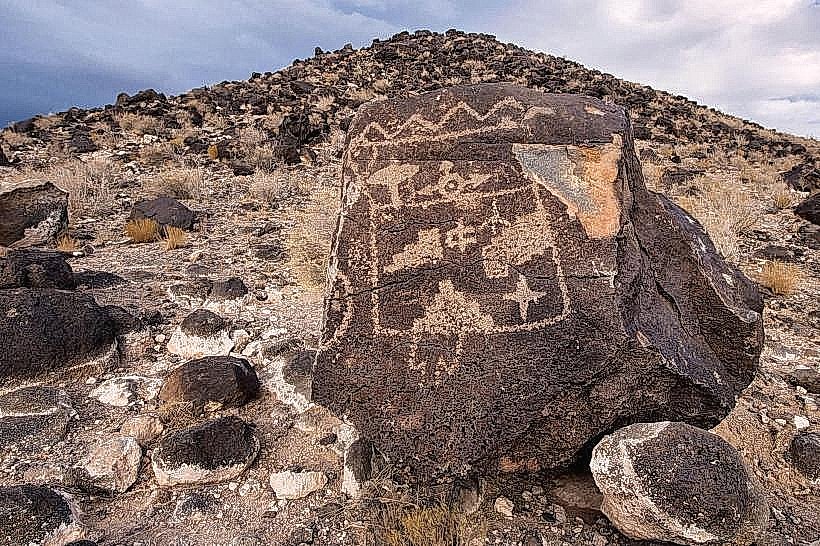
- 3.5km Southwest: Petroglyph National Monument (access points vary)