Information
Landmark: Sunport Aviation TerminalCity: Albuquerque
Country: USA New Mexico
Continent: North America
Sunport Aviation Terminal, Albuquerque, USA New Mexico, North America
The Sunport Aviation Terminal is the primary airport serving Albuquerque, New Mexico. It is located southeast of the city center.
Visual Characteristics
The terminal features a modern design with extensive use of glass and steel. The exterior is primarily light-colored concrete and metal paneling. The structure is low-rise, with multiple concourses extending from a central ticketing and baggage claim area. Interior spaces are characterized by high ceilings and open concourses.
Location & Access Logistics
The Sunport is situated approximately 5 miles southeast of downtown Albuquerque. Access is via Interstate 25 South, taking Exit 224 for Sunport Boulevard. Sunport Boulevard provides direct access to the terminal entrances and parking facilities. Long-term and short-term parking garages are available adjacent to the terminal. Public transportation is provided by the Albuquerque Ride bus system, with Route 220 serving the airport terminals directly from downtown.
Historical & Ecological Origin
The original Albuquerque Municipal Airport opened in 1939. The current terminal complex, known as the Sunport, was constructed in phases, with significant expansions occurring in the late 20th century. The site is located on high desert terrain, characterized by arid conditions and sparse vegetation typical of the Chihuahuan Desert ecoregion.
Key Highlights & Activities
Passengers can proceed through security checkpoints to access departure gates. Food and retail concessions are available within the secure areas of the terminal. Information desks are located in the main concourse.
Infrastructure & Amenities
Restrooms are located throughout the terminal. Seating areas are provided in departure lounges. Cell phone signal (4G/5G) is generally available within the terminal. A variety of food vendors and retail shops operate within the terminal building.
Best Time to Visit
For optimal lighting conditions for photography of the exterior architecture, early morning or late afternoon light is recommended. The airport operates 24 hours a day, with peak passenger traffic typically occurring during morning and evening travel periods.
Facts & Legends
The airport's distinctive architecture was influenced by the surrounding desert landscape, with some design elements intended to evoke the shapes of mesas. A local anecdote suggests that the airport's location was chosen to minimize noise impact on residential areas, a consideration that remains relevant with ongoing development.
Nearby Landmarks
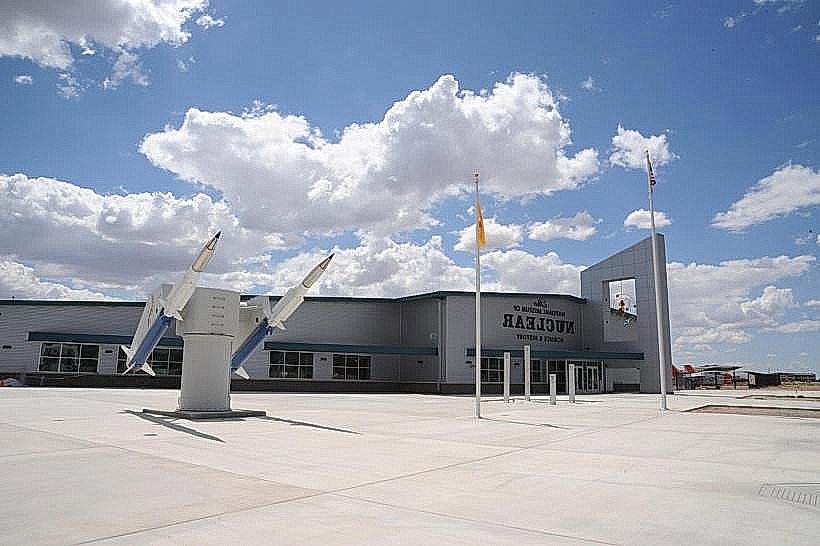
- National Museum of Nuclear Science & History (1.5km West)
- Isleta Pueblo (4km South)
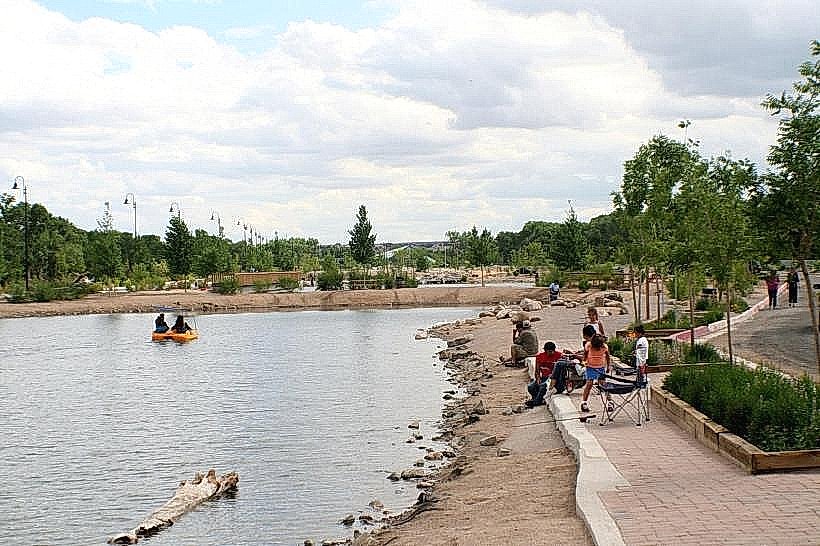
- Tingley Beach (4.5km Northwest)
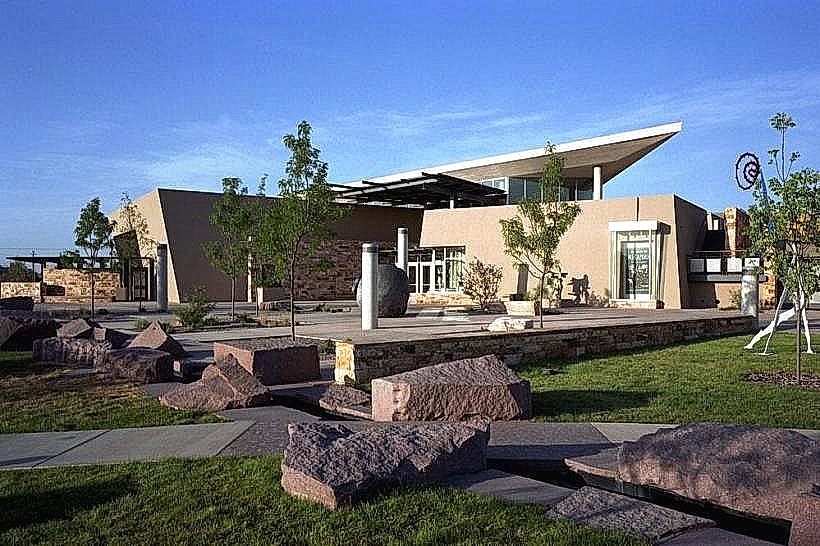
- Indian Pueblo Cultural Center (5km Northwest)