Information
Landmark: International Civil Rights Center & MuseumCity: Greensboro
Country: USA North Carolina
Continent: North America
International Civil Rights Center & Museum, Greensboro, USA North Carolina, North America
Overview
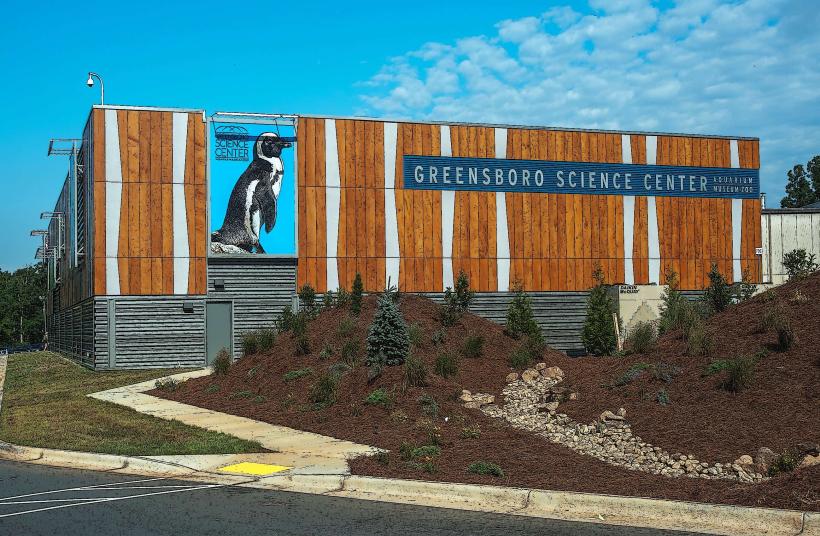
Actually, In Greensboro, North Carolina, the Science Center packs a zoo, an aquarium with shimmering tanks, a museum, and an adventure park into one lively spot for learning and play, moreover it’s one of the region’s biggest draws, combining wildlife conservation, science education, and interactive activities like feeding gentle deer for visitors of every age.Founded in 1957 as the Greensboro Junior Museum, the center has transformed over the years, growing from a modest room with glass display cases into something far larger and more dynamic, alternatively the Association of Zoos and Aquariums (AZA) and the American Alliance of Museums (AAM) now accredit it, a mark of excellence in caring for animals, educating visitors, and creating exhibits as vivid and detailed as a rainforest canopy.It aims to spark curiosity and teach the community through hands-on science, glimpses of nature, and close encounters with wildlife, all to build a deeper sense of conservation, then top sights worth seeing, starting with number one.At Wiseman Aquarium, you’ll find an array of aquatic life-from African penguins waddling along the shore to Asian petite-clawed otters splashing playfully-alongside sleek sharks, gliding stingrays, and the soft, translucent drift of moon jellyfish, subsequently you’ll find exhibits that pull you in, from shimmering coral reefs to the quiet sway of kelp forests, all crafted to teach visitors about marine environments and aquatic ecosystems.At the interactive touch tanks, visitors can gently hold a starfish or feel the smooth shell of a crab, turning a simple encounter into an engaging, hands-on lesson about marine life, also use a mix of short and medium-length sentences to keep the rhythm lively.In the museum, kids and families can dive into lively, hands-on exhibits-like building a model bridge-that invite them to touch, try, and explore, furthermore one highlight is SciPlay Bay, a hands-on zone where kids tinker, build, and explore science through play, sparking a love for STEM.Prehistoric Passages: Realm of Dragons showcases towering dinosaur replicas you could almost hear rumble, ancient fossils you can study up close, and hands-on displays that bring prehistoric life to vivid detail, consequently omniSphere Theater is a domed venue where you can watch 2D and 3D films on nature, space, and science, with sweeping visuals that make learning feel like an adventure.Three, consequently at the Zoo – Animal Discovery Zoological Park, you’ll meet creatures from deserts, rainforests, and beyond, all part of a mission that blends hands-on conservation with engaging education.Notable animals include the red panda, with its rust-colored fur and endearing, masked face, likewise the Sumatran tiger, critically endangered, stands as a flagship for conservation-its striped coat fading from the forests it once ruled.Pygmy hippos are smaller, more secretive cousins of the common hippo, often slipping quietly into the shade of thick jungle foliage, at the same time meerkats are known for their lively social bonds, often gathering in the sun to keep watch together.The zoo features interactive spots like the Friendly Farm, where you can scratch a goat’s wiry chin or run your hand over a sheep’s soft wool, besides on the Revolution Ridge trail, you’ll wander past habitats so true to nature you might hear leaves crunch under a grazing elk.To be honest, Number four, likewise sKYWILD Adventure Course is a high-in-the-trees ropes challenge that tests your strength and balance while serving up plenty of thrills and laughs among the rustling leaves.You’ll find all sorts of obstacles-rope bridges swaying in the breeze, zip lines that whip you through the air, and tough climbing walls that test your grip, consequently kids eight and older can join in, with challenges ranging from easy strolls to pulse-pounding climbs so families and thrill‑seekers both find their match.From Wednesday to Sunday, it’s open for visitors, with each ticket giving you two full hours to explore-just enough time to follow winding trails and hear the crunch of gravel under your shoes, after that the center often brings in special exhibits and seasonal events, like a winter display glittering with lights.For example, the newly opened Cole Family Monarch Conservation Center & Butterfly House lets visitors step inside a warm, fluttering space where native butterflies drift overhead and their life cycle unfolds before your eyes, and laser light shows set to hit songs-like the Taylor Swift-themed spectacle that splashes color across the dim-offer visitors a rare mix of science, art, and pure fun.The visitor center’s doors open at 9:00 a.m, and and close at 5:00 p.m. If I’m being honest, each day, with sunlight spilling across the front steps as morning begins, alternatively hours can change with the seasons or shift for special events, like staying open late on a summer evening.Adults 14 to 59 pay about $19.50, kids 3 to 13 about $17.50, and little ones under 2 get in free, and greensboro residents, military members, city staff, and college students enjoy discounts, so the location stays open to just about everyone.The Greensboro Science Center welcomes families with easy access, plenty of parking, shaded picnic spots, and convenient amenities like restrooms and food stands, besides the facility’s fully wheelchair accessible, and the staff go out of their way to help visitors with special needs-whether that means adjusting seating or clearing a path wide enough for easy passage, under certain circumstances The center runs a wide range of educational programs, from school field trips and summer camps to birthday parties and hands-on workshops in wildlife conservation, environmental science, and STEM-picture kids peering through microscopes or sketching a hawk’s feathers, and these programs invite visitors to explore science and nature firsthand, maybe by holding a fossil or testing water samples, so their understanding grows through real experience, in a sense The Greensboro Science Center works hands-on in conservation, tackling projects from local river cleanups to wildlife protection efforts around the world, consequently it helps breed endangered animals, works to protect fragile habitats, and draws people in with hands‑on conservation activities, like planting native trees.The center works with universities and research groups, sharing data and ideas to push scientific understanding forward, likewise you can find us at 4301 Lawndale Drive, Greensboro, North Carolina 27455, and reach us at (336) 288-3769.The spot’s easy to notice-right by a tall oak and clear signage-so both locals and visitors can get here without a hitch, in conjunction with the Greensboro Science Center buzzes with energy, offering hands-on exhibits, live animal encounters, and plenty to discover for curious minds of all ages.I think, Families, students, tourists, and science lovers all find something here-it blends playful moments with hands-on lessons about wildlife, from the rustle of leaves to the ripple of a stream, as well as it’s a vital part of the community, sparking curiosity about science, encouraging conservation, and inspiring care for the environment-like teaching kids how to test the pH of a creek., mildly
Author: Tourist Landmarks
Date: 2025-10-03