Information
Landmark: Inverness CastleCity: Inverness
Country: United Kingdom
Continent: Europe
Inverness Castle, Inverness, United Kingdom, Europe
Inverness Castle is a 19th-century red sandstone structure located on a cliff overlooking the River Ness in Inverness, Scotland. It serves as the historic and visual centerpiece of the city.
Visual Characteristics
The castle is built in the Neo-Norman style, characterized by crenelated parapets, round towers, and a prominent gatehouse. The facade is constructed from high-density red sandstone, which provides a stark color contrast against the surrounding greenery. It occupies a defensive "motte" or hill, granting it a commanding view of the city’s skyline. A bronze statue of Flora MacDonald, the Jacobite heroine, stands prominently on the castle esplanade.
Location & Access Logistics
The site is located on Castle Hill (IV2 3EG).
Public Transport: Inverness Railway Station and the main bus station are approximately 0.5km north (a 5-7 minute walk).
Road: Situated in the city center. Vehicle access to the immediate castle grounds is restricted.
Parking: No public parking on-site. Visitors use city center car parks such as Castle Street or Eastgate.
Access: The exterior grounds and viewpoint are accessible via a steep incline from the High Street. The interior is currently undergoing a major transformation.
Historical & Ecological Origin
The current structure was built in 1836 (the North block) and 1846 (the South block) on the site of several successive medieval fortifications. It functioned as a courthouse and prison for over 150 years. The castle hill is a significant ecological site within the urban core, providing a habitat for local bird populations and featuring managed floral displays that support pollinators.
Key Highlights & Activities
Castle Viewpoint: The North Tower was opened to the public in 2017, offering high-fidelity 360-degree views of Inverness, the Moray Firth, and the Highland mountains.
Inverness Castle Experience: A major redevelopment project (scheduled for completion in 2025/2026) to transform the entire interior into a world-class visitor attraction focused on Highland culture and stories.
Flora MacDonald Statue: A key site for historical photography and Jacobite history.
Riverside Walk: The castle serves as the starting point for various paths along the River Ness.
Infrastructure & Amenities
As of 2026, the site is transitioning from a civic building to a tourist hub. Amenities including cafes, high-capacity restrooms, and retail spaces are integrated into the new Inverness Castle Experience design. 5G cellular coverage is excellent throughout the city center.
Best Time to Visit
The exterior grounds are accessible daily. For photography, late afternoon "golden hour" lighting emphasizes the red sandstone. Peak visitor density occurs during the summer months (July–August), aligning with the Highland tourist season.
Facts & Legends
A verified historical fact is that the original medieval castle was destroyed by Robert the Bruce in 1308. A prominent legend, featured in Shakespeare's Macbeth, suggests that the site was where Macbeth murdered King Duncan, though historians confirm the actual event took place near Elgin.
Nearby Landmarks
River Ness: Immediately West
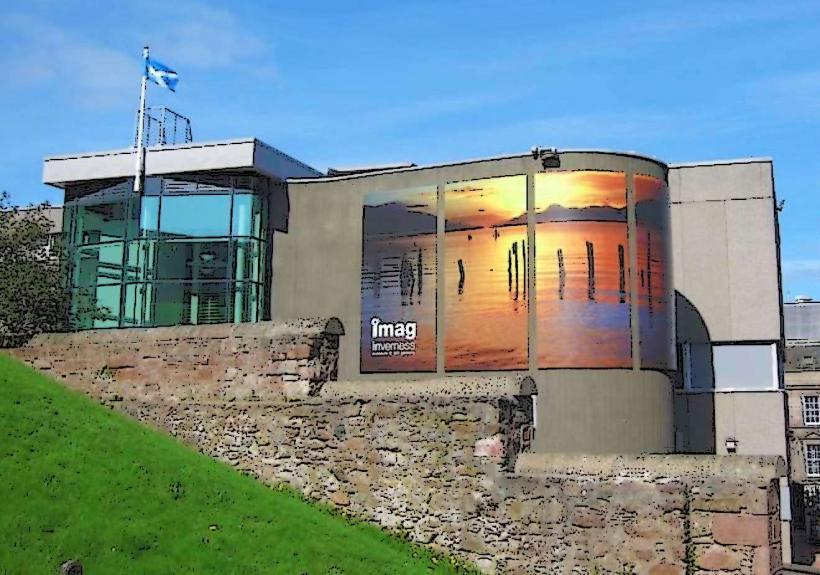
Inverness Museum and Art Gallery: 0.1km North
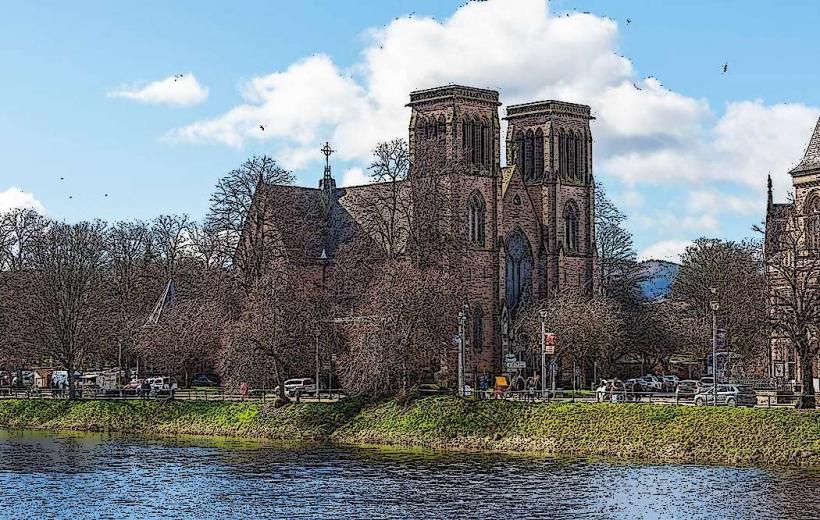
St Andrew's Cathedral: 0.4km Southwest (across the river)
High Street: 0.1km North
Eden Court Theatre: 0.6km Southwest