Information
Landmark: Kachemak BayCity: Seward
Country: USA Alaska
Continent: North America
Kachemak Bay, Seward, USA Alaska, North America
Kachemak Bay, stretching along Alaska’s lower Kenai Peninsula, is one of the most spectacular and biologically rich coastal environments in the state. Protected by mountains on three sides and open to the Gulf of Alaska to the south, the bay forms a dazzling meeting of sea, glacier, and forest. Its sheltered waters, wild coves, and constant interplay of light and weather make it a favorite destination for naturalists, artists, and travelers seeking both beauty and solitude.
Geography and Setting
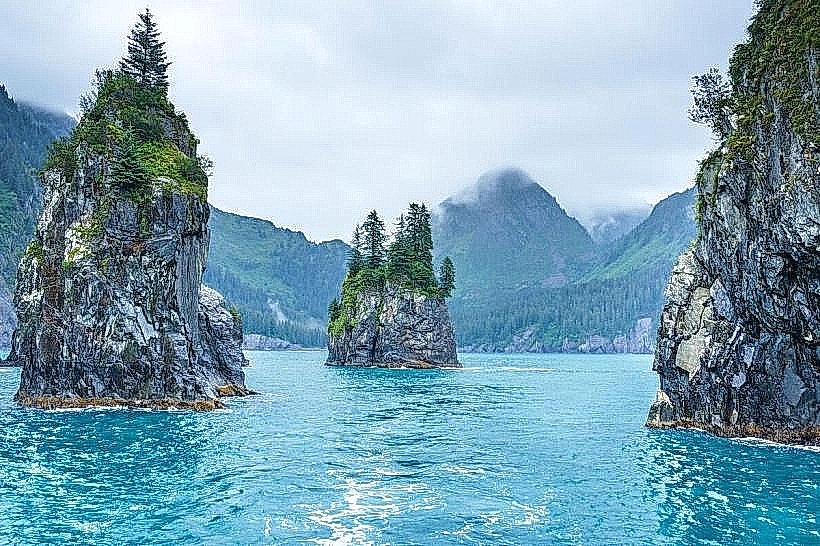
The bay covers about 40 miles of coastline, ranging from the town of Homer at its northern edge to the rugged wilderness of Kachemak Bay State Park and Kachemak Bay Wilderness Park on the southern shore. This region is part of an ancient glacial valley, carved by ice and now flooded by the sea. The result is a deeply indented shoreline with fjord-like inlets, rocky headlands, and tide-sculpted beaches.
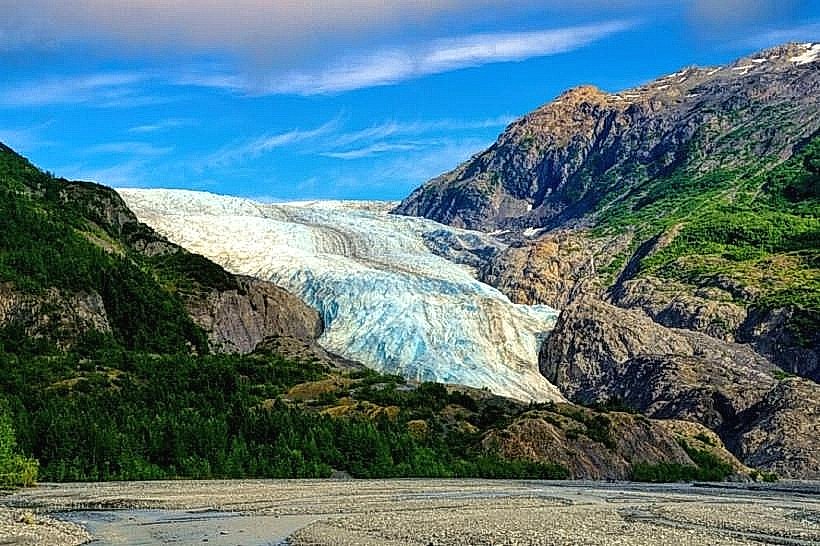
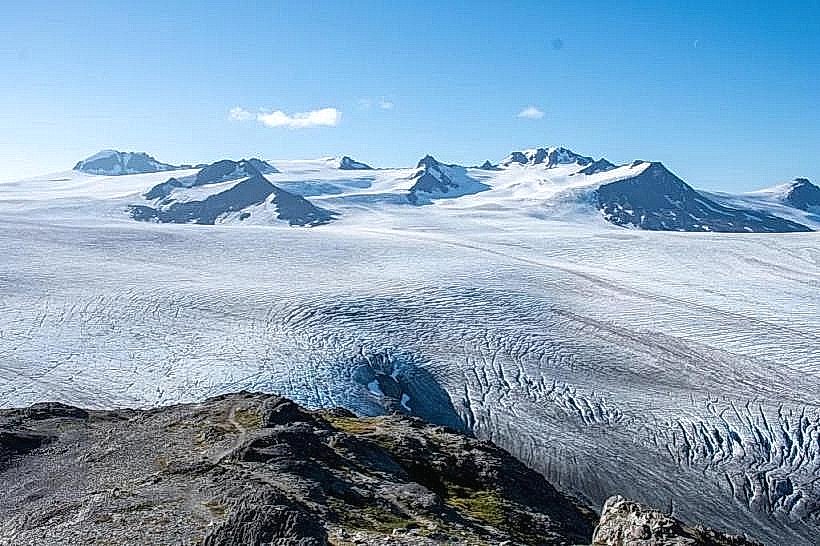
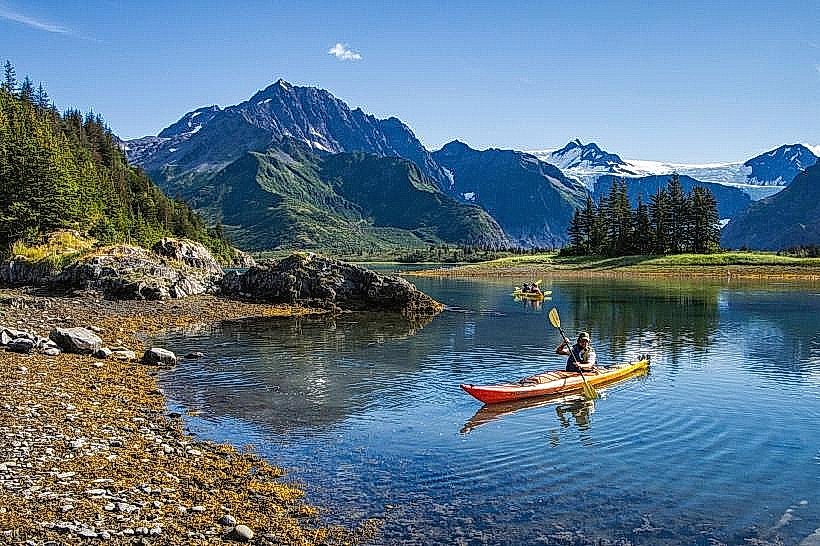
Across the water from Homer, snowcapped peaks rise sharply from the sea, forming the backdrop for nearly every view. Glaciers such as Grewingk Glacier spill down from the mountains, feeding icy rivers that braid across gravel plains before reaching the tide. On still mornings, the bay reflects the peaks in near-perfect symmetry-a landscape so quiet it feels almost suspended in time.
Marine Life and Ecosystem
Kachemak Bay is a living laboratory of marine diversity, home to over 90 species of fish, thousands of seabirds, and an extraordinary variety of marine invertebrates. It’s recognized as an estuarine reserve, where cold, nutrient-rich waters mix with freshwater from streams and glaciers, creating ideal conditions for plankton and, in turn, for the entire food web.
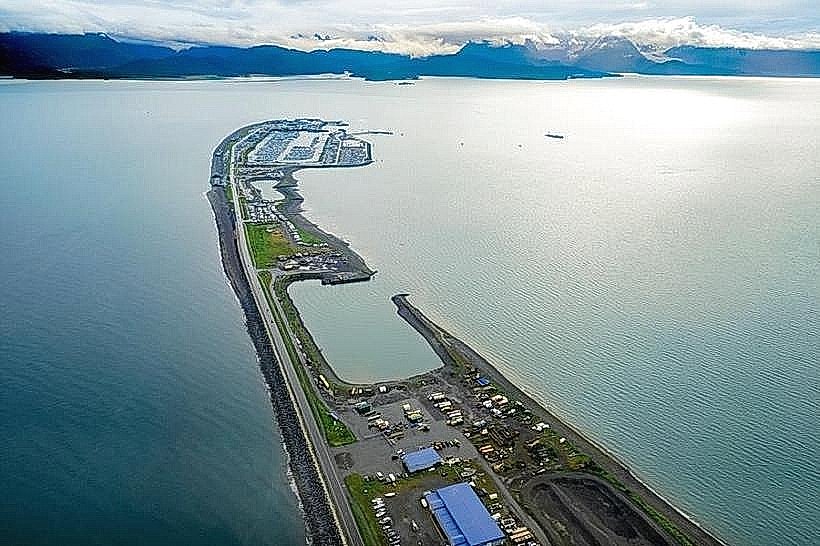
Visitors often spot sea otters floating on their backs, harbor seals slipping through the water, and humpback whales feeding during summer months. Bald eagles soar overhead, while murres, puffins, and kittiwakes nest on offshore cliffs. On the tidal flats near Homer Spit, you might see sandpipers darting across wet sand as the tide recedes.
Kachemak Bay State Park
Across the bay lies Kachemak Bay State Park, Alaska’s first state park and one of its most striking. It covers over 400,000 acres of wilderness-mountains, forests, glaciers, and hidden lagoons accessible only by boat or floatplane. The park’s network of hiking trails begins at the water’s edge, where visitors arrive by water taxi from Homer.
One of the most popular hikes leads to Grewingk Glacier Lake, a turquoise basin dotted with floating icebergs. The trail winds through spruce forest and across glacial moraine, ending at a sweeping view of the glacier’s face. Other routes explore alpine ridges, coastal meadows, and quiet coves where black bears and moose roam.
Recreation and Culture
Kachemak Bay draws both adventurers and contemplative travelers. Kayakers paddle along the shoreline, exploring sea caves and kelp forests. Fishermen chase halibut and salmon in the deeper channels, while birdwatchers gather for the annual Kachemak Bay Shorebird Festival, when thousands of migrating birds arrive each spring.
The bay also sustains a small, creative community of homesteaders, fishermen, and artists. Scattered cabins and lodges on the southern shore offer off-grid escapes, with evenings spent by woodstove light, listening to waves against the rocks.
Seasons and Atmosphere
Summer brings long days and endless twilight, when the bay glows in gold and lavender hues. The air carries the scent of spruce and salt, and the sound of gulls echoes between the cliffs. In winter, storms roll in from the Gulf, cloaking the mountains in snow and turning the bay steel gray. Even then, it retains its quiet grandeur-vast, untamed, and humbling.
Closing Impression
Kachemak Bay is Alaska in its purest form: elemental, alive, and deeply peaceful. Whether glimpsed from the Homer hillside at sunrise or from a kayak drifting near a glacier, it captures the feeling of being on the edge of something immense and enduring-a reminder of nature’s patience and power, still untouched at the meeting point of land and sea.