Information
Landmark: Kebnekaise MountainCity: Kiruna
Country: Sweden
Continent: Europe
Kebnekaise Mountain, Kiruna, Sweden, Europe
Kebnekaise Mountain is Sweden's highest peak, located in the Scandinavian Mountains within Kiruna Municipality, Norrbotten County.
Visual Characteristics
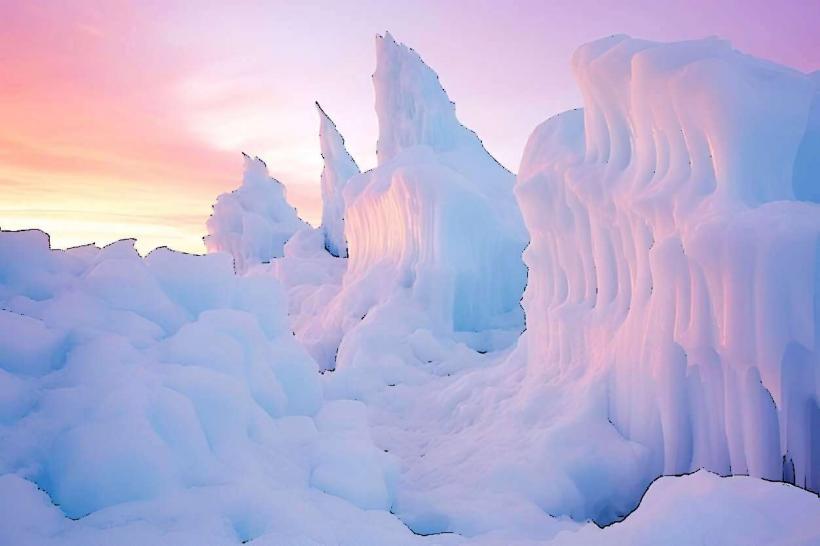
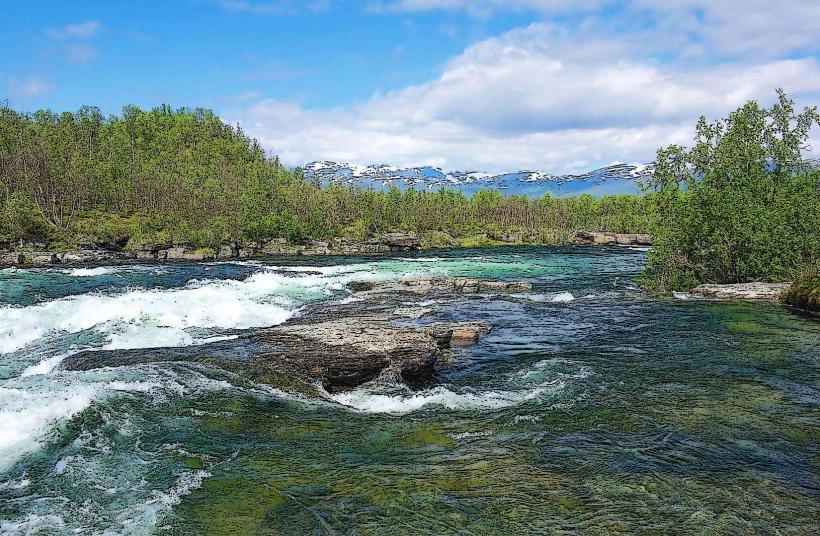
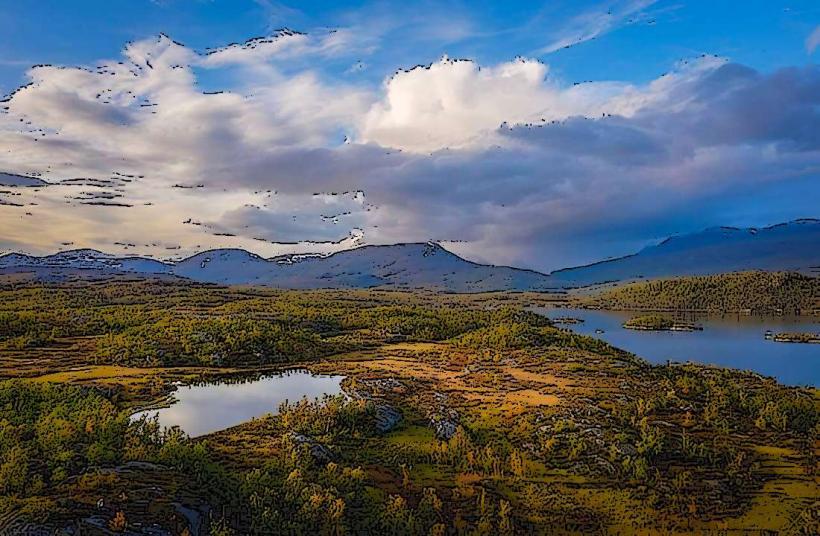
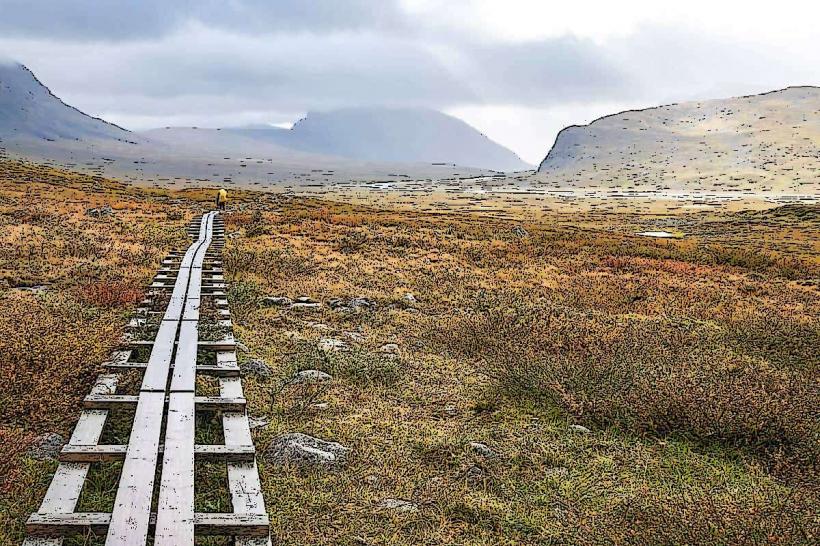
The mountain features two primary summits: the South Peak, which is glacier-covered, and the North Peak, composed of rock. The surrounding terrain is alpine, characterized by exposed rock, permanent snowfields, and several glaciers, including the Kebnekaise Glacier. Vegetation at lower elevations consists of sparse tundra, dwarf birch, and willow, transitioning to barren rock and ice at higher altitudes. The overall color palette is dominated by grey rock, white snow and ice, and muted greens and browns in the valleys.
Location & Access Logistics
Access to Kebnekaise typically begins from Nikkaluokta, approximately 70 kilometers west of Kiruna. From Kiruna, follow road 870 directly to Nikkaluokta. Parking is available at the Nikkaluokta trailhead. Public transport includes bus line 92 operated by Länstrafiken Norrbotten, which connects Kiruna to Nikkaluokta during peak seasons. From Nikkaluokta, a 19-kilometer hiking trail leads to the Kebnekaise Mountain Station. A boat transfer across Lake Láddjujávri is available for a portion of this route, reducing the hiking distance by approximately 6 kilometers.
Historical & Ecological Origin
Kebnekaise is part of the Scandinavian Caledonides, a mountain range formed by ancient tectonic plate collisions. Its current form is primarily the result of extensive glacial erosion during successive ice ages, which carved out valleys, cirques, and sharpened peaks. The mountain's ecological classification is alpine tundra and high-alpine environment, supporting specialized flora and fauna adapted to cold, harsh conditions.
Key Highlights & Activities
Summit ascents are the primary activity, with two main routes: the Västra Leden (Western Route), a non-glacier hike, and the Östra Leden (Eastern Route), which involves glacier crossing and requires a guide and specialized equipment. Guided tours for both routes depart from the Kebnekaise Mountain Station. Other activities include multi-day hiking along sections of the Kungsleden trail, glacier trekking, and ski touring during winter months.
Infrastructure & Amenities
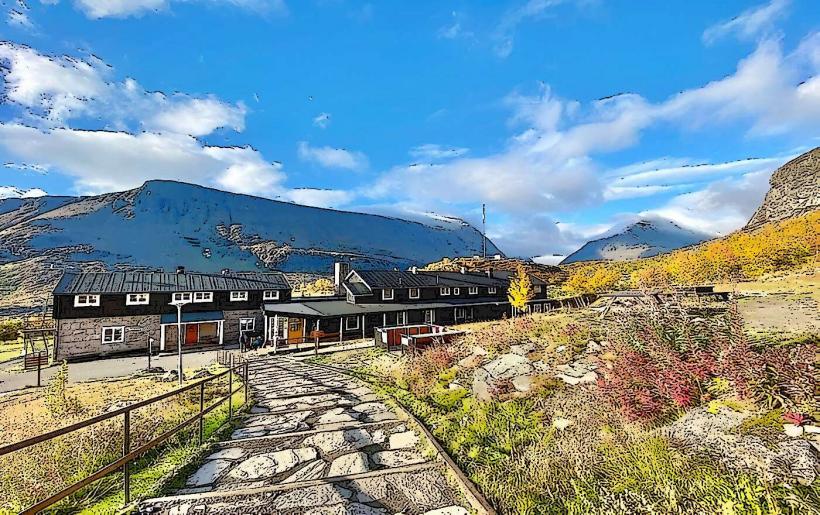
The Kebnekaise Mountain Station provides accommodation, a restaurant, a small shop, and restrooms. Restroom facilities are also available at the Nikkaluokta trailhead. Shade is limited to specific areas around the mountain station or within valleys. Cell phone signal (4G/5G) is generally available at Nikkaluokta and the mountain station but becomes intermittent or absent at higher elevations on the mountain. Food vendors are present at the mountain station and Nikkaluokta, but not along the hiking trails or on the summit.
Best Time to Visit
The optimal period for hiking to Kebnekaise is during the summer months, from late June to early September, when snowmelt allows for clearer trails and milder temperatures. July and August offer the warmest conditions. For photography, early morning or late evening during summer provides soft, extended light, especially during the period of the midnight sun. Winter activities like ski touring are best undertaken from February to April, when snow conditions are stable and daylight hours are increasing.
Facts & Legends
The height of Kebnekaise's South Peak is subject to change due to the melting of its glacial cap. In warmer years, the ice volume decreases, causing the South Peak to temporarily lose its status as Sweden's highest point to the rocky North Peak. The Sami people, indigenous to the region, have a long history and cultural connection to the Kebnekaise area, viewing the mountains as sacred and integral to their reindeer herding traditions.
Nearby Landmarks
- Nikkaluokta: 19km East
- Láddjujávri Lake: 13km East
- Tarfala Research Station: 8km Northeast
- Kungsleden Trail: Adjacent (passes through the Kebnekaise area)