Information
Landmark: Northern Lights in AbiskoCity: Kiruna
Country: Sweden
Continent: Europe
Northern Lights in Abisko, Kiruna, Sweden, Europe
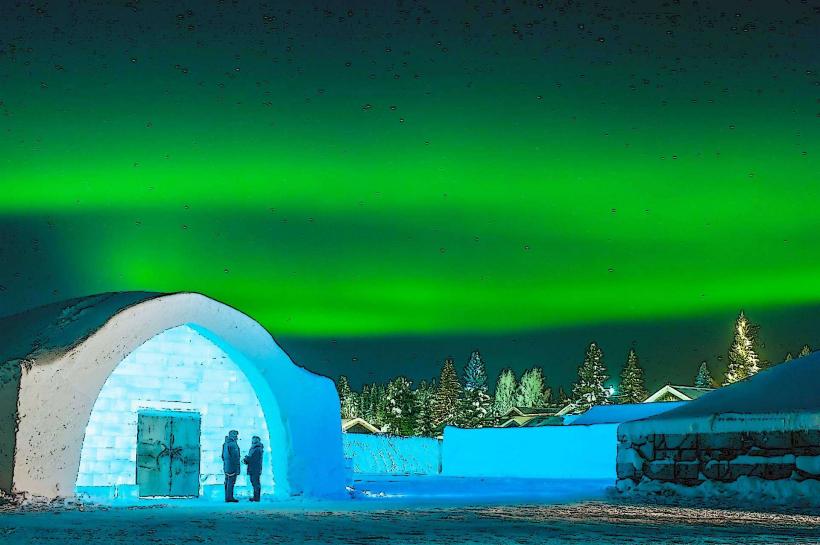
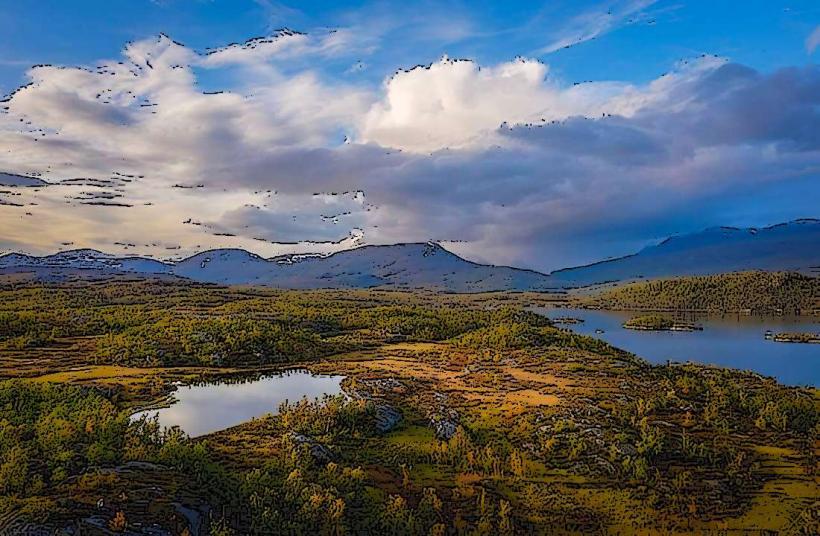
The Northern Lights, also known as the Aurora Borealis, are a natural light display in Earth's sky, predominantly seen in high-latitude regions like Abisko National Park, located approximately 100 kilometers west of Kiruna, Sweden. This atmospheric phenomenon is a primary draw for visitors to the Swedish Arctic.
Visual Characteristics
The Northern Lights manifest as dynamic patterns of light, typically appearing as green, yellow, or occasionally pink and purple hues. These lights can take various forms, including arcs, rays, and coronas, which shimmer and move across the night sky. The intensity and visibility are dependent on solar activity and local weather conditions, requiring clear, dark skies for observation.Location & Access Logistics
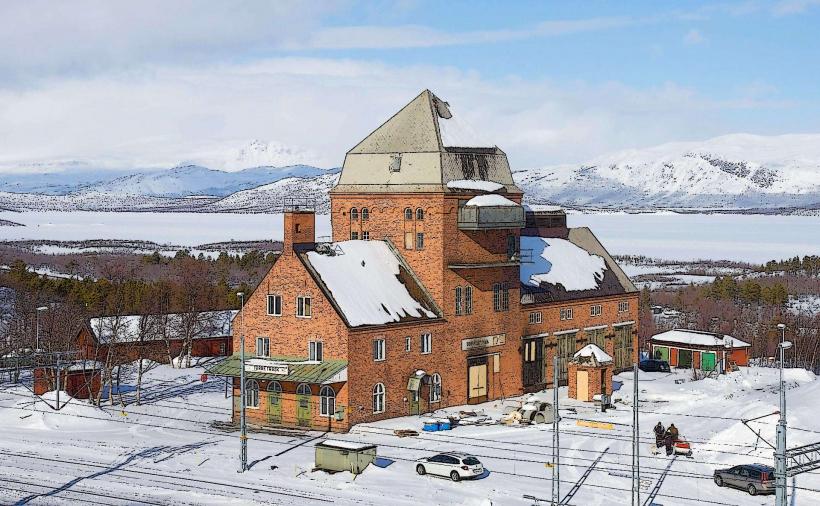
Abisko National Park is situated along the E10 highway. From Kiruna, the drive west on E10 takes approximately 1.5 hours. Parking is available at the Abisko Tourist Station and Abisko Östra train station. Public transportation includes daily train services operated by SJ, connecting Kiruna to both Abisko Östra and Abisko Turiststation stops.Historical & Ecological Origin
The Northern Lights are an ecological phenomenon resulting from collisions between electrically charged particles from the sun that enter the Earth's atmosphere. These particles are guided by the Earth's magnetic field towards the poles, exciting atmospheric gases and causing them to emit light. Abisko is renowned for its "Blue Hole," a microclimate over Lake Torneträsk that often remains clear even when surrounding areas are cloudy, increasing aurora visibility.Key Highlights & Activities
Viewing the Northern Lights is the primary activity, often from designated spots or guided tours. The Aurora Sky Station, accessible via chairlift from the Abisko Tourist Station, offers an elevated viewing platform. Other activities in the area include night photography workshops, dog sledding, snowmobiling, and snowshoeing within Abisko National Park.Infrastructure & Amenities
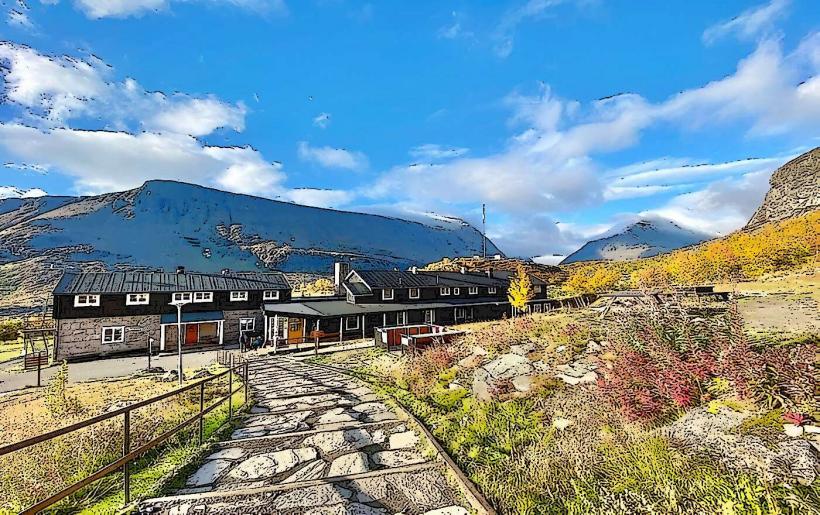
The Abisko Tourist Station provides accommodation, a restaurant, and public restrooms. The Aurora Sky Station features a cafe, restrooms, and a souvenir shop. Cell phone signal (4G/5G) is generally available around the Tourist Station and Sky Station, though coverage can be intermittent in more remote parts of the park. No specific shade structures are relevant for night-time aurora viewing.Best Time to Visit
The optimal period for viewing the Northern Lights in Abisko is from late September to late March, when the nights are long and dark. The best time of day for observation is typically between 9:00 PM and 2:00 AM. Clear skies are crucial, and cold, stable weather conditions often correlate with better visibility.Facts & Legends
A Sámi legend attributes the aurora to the tail of a mythical fox, "revontulet" (fox fires), sweeping snow across the fells, sending sparks into the sky. Scientifically, Abisko's unique "Blue Hole" microclimate, influenced by Lake Torneträsk and surrounding mountains, creates a zone with statistically fewer clouds, enhancing aurora viewing opportunities. A practical tip for visitors is to dress in multiple warm layers, as temperatures can drop significantly during night-time viewing.Nearby Landmarks
- Lake Torneträsk: 0.1km North
- Aurora Sky Station: 1.5km West (via chairlift)
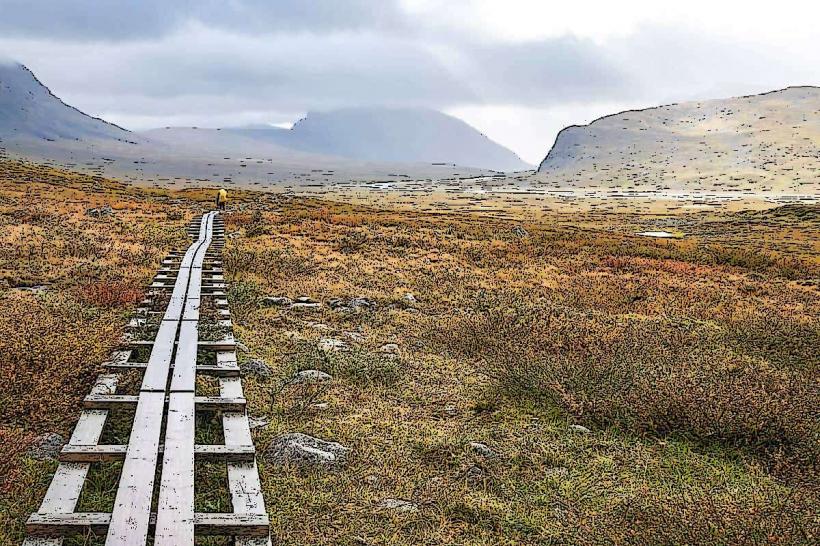
- Kungsleden Trailhead (Northern End): 0.5km East
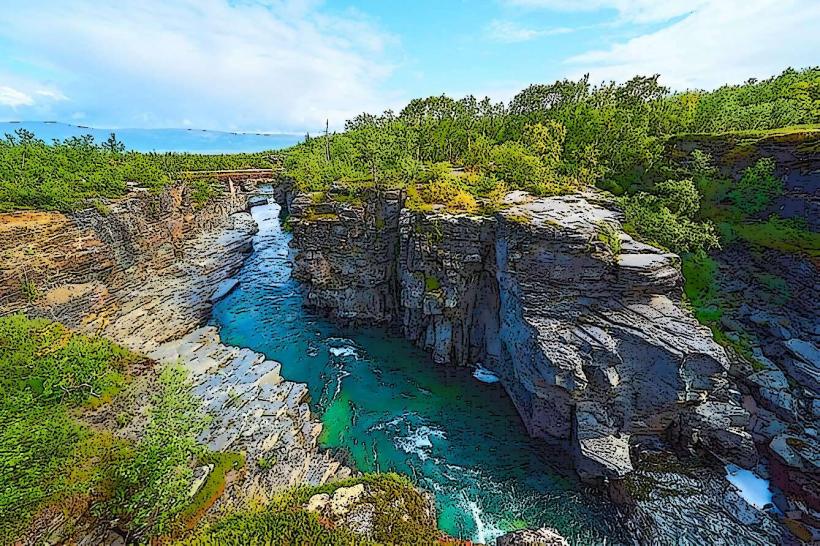
- Abisko Canyon: 1.0km South
- Abisko Östra Train Station: 2.0km East