Information
Landmark: Kohala Historical Sites State MonumentCity: Waimea
Country: USA Hawaii
Continent: North America
Kohala Historical Sites State Monument, Waimea, USA Hawaii, North America
Overview
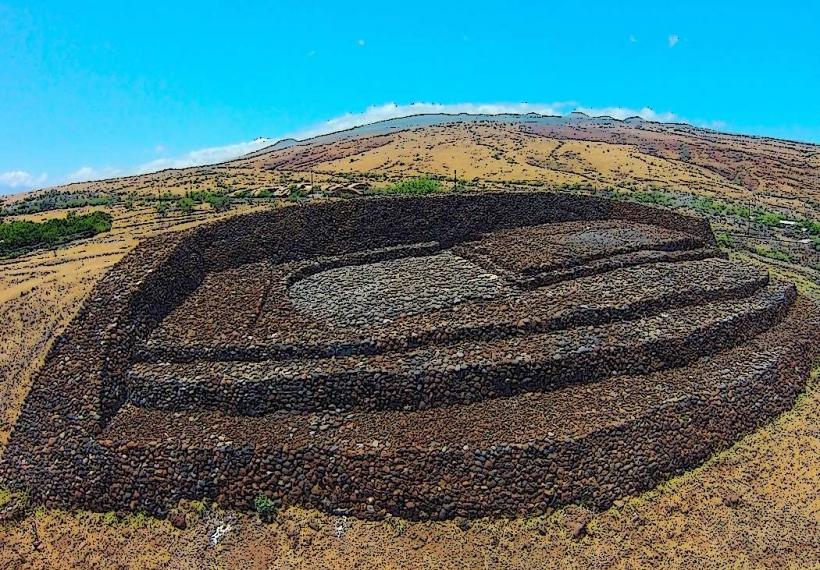
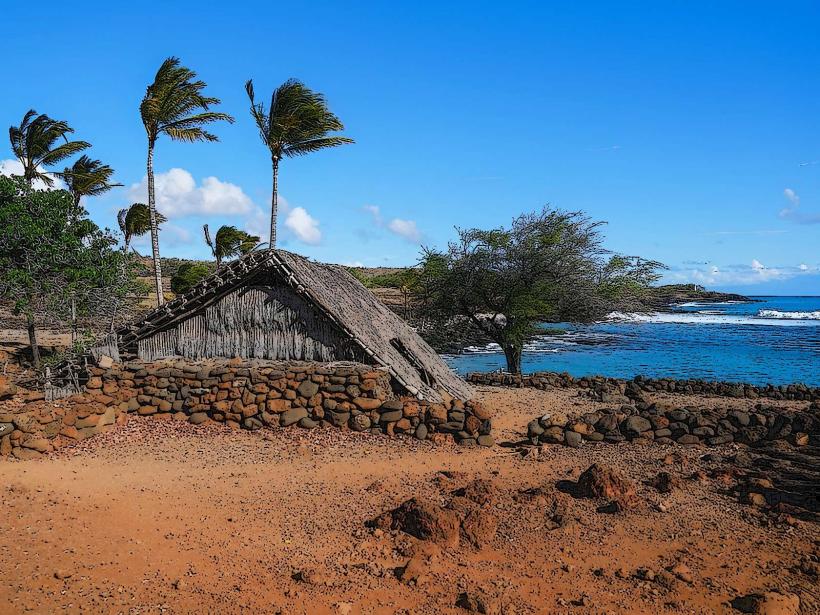
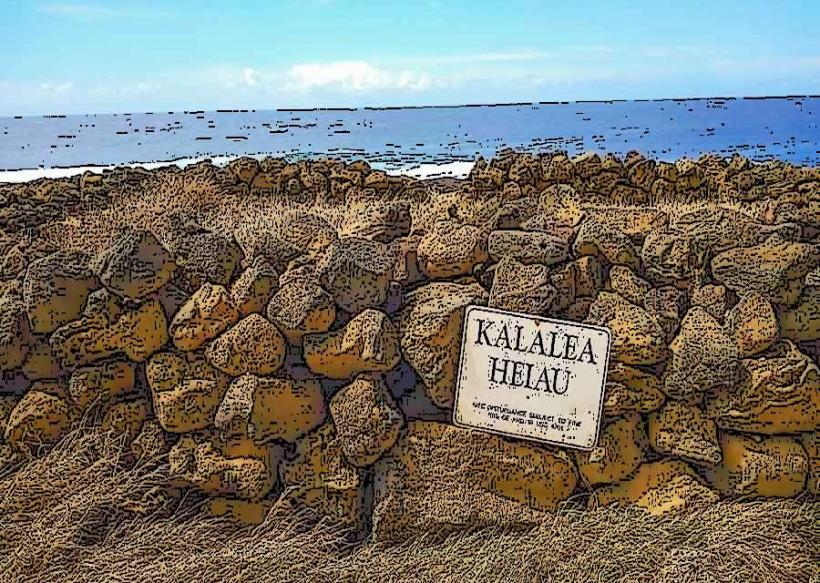
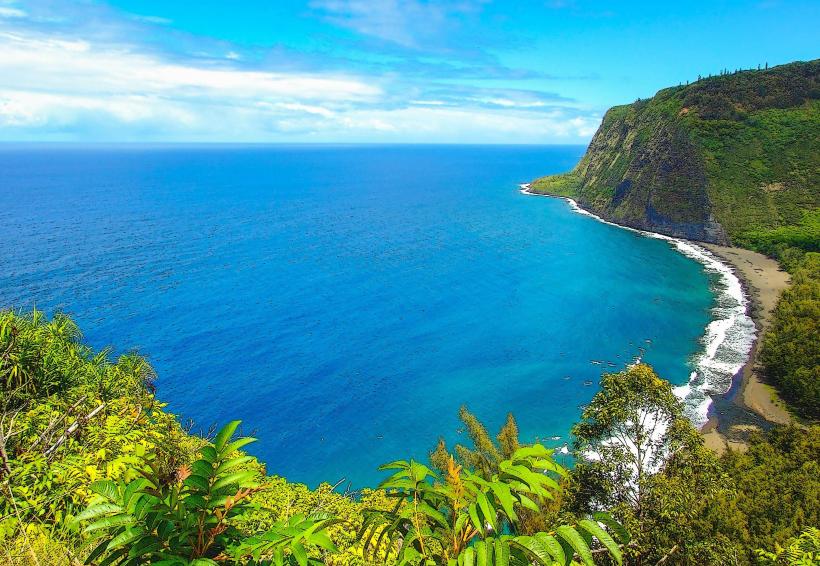
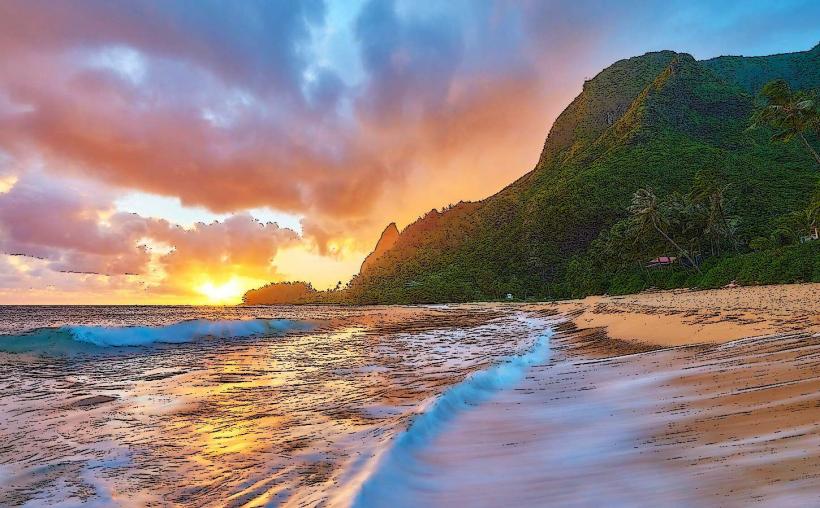
On Hawaii’s huge Island, in the lush Kohala District, the Kohala Historical Sites State Monument preserves a venue rich in history and culture, also in this state park, you can step back into Hawaii’s early days-from the time before Western contact to the first years of the Hawaiian Kingdom-and hike among stone temples and other remarkable archaeological sites.The monument spans a petite corner of the island, rich with tradition and story, making it a perfect stop for anyone drawn to Hawaiian history, vibrant culture, and the lush scent of sea air, besides kohala, among the grand Island’s oldest regions, was likely settled by Polynesians about 1,500 years ago, when outrigger canoes first touched its black-sand shores.This region holds a wealth of archaeological sites that reveal how early Hawaiians farmed taro, built sacred heiau, and organized their intricate social systems, in turn during the Hawaiian Kingdom, Kohala stood as a key hub of both political power and spiritual life, fairly This is where King Kamehameha I was born-the leader who, in the early 1800s, united all the Hawaiian Islands, not only that once, the region’s shores echoed with the voices of chiefs who ruled with authority and pride.People say Kamehameha I spent part of his youth here, a time that adds to the monument’s meaning, after that the site holds sacred places-a heiau with weathered lava rock, an ahu, and quiet fishponds, in some ways Truthfully, Early Hawaiian settlers used these ancient features for religious rites, farming, and managing vital resources, while in Kohala, the heart of their agriculture, wide taro fields shimmered in the sun beside quiet fish ponds and carefully planned planting beds.For centuries, the first people to live here used farming methods that kept the land fertile, letting their communities flourish, in addition among the monument’s most crucial places is Puukohola Heiau, the Temple on the Hill, its stone walls rising against the sky.In 1791, King Kamehameha I built his last great heiau to fulfill a prophecy that he would unite the Hawaiian Islands, simultaneously dedicated to the war god Kūkaʻilimoku, the stone temple stood as a key stronghold in his fight to claim the large Island.The temple is a designated national historic site and forms part of the larger monument, alternatively nearby at Kamakahonu Bay, Ahu‘ena Heiau stands as another revered religious site, its weathered stones warmed by the afternoon sun.After uniting the massive Island under his rule, King Kamehameha I used this heiau, and it later became the site where he was deified; Ahuʻena Heiau marks the shift from pre-contact spiritual traditions to the Hawaiian Kingdom’s founding, simultaneously scattered across the monument are the remains of ancient villages-low stone walls and weathered foundations still etched into the earth.These sites offer a window into Hawaiian society before Western contact, with the Kohala Historical Sites State Monument preserving trails that twist through ancient landscapes scented with warm ironwood, consequently driving the Kohala Mountain Road reveals sweeping views and leads straight to the monument, where the vast, rugged beauty that once sustained early Hawaiian life stretches in every direction.Guided tours, often led by cultural practitioners, bring the past alive with stories of sacred places and the legacy of Kamehameha I, likewise hike the nearby paths to reach landmarks like Puukohola Heiau and Ahuʻena Heiau, each carrying centuries of history in its stones.Visitors can wander these trails through the region’s lush greenery, pausing to take in traces of its deep cultural past, not only that the Kohala Mountain Road leads to more hikes, where wide-open views stretch from the coastline to the distant mountains and valleys.Mind you, Along the way, tiny weathered signs share stories of the land’s history, culture, and meaning, and the signs guide visitors through the cultural landscape, giving them a richer sense of Hawaiian heritage-like the story behind a carved wooden canoe.Around Kohala, you might spot radiant tropical flowers and darting native birds, simultaneously as you wander through the area, you might spot native Hawaiian plants, hear the call of luminous forest birds, or catch sight of other wildlife.Depending on the season, the monument also comes alive with hula dancing, hands-on craft displays, and lively celebrations of Hawaiian traditions, consequently these events let you step right into Hawaii’s living culture, from music that drifts on the warm breeze to stories shared under the stars.You’ll find the Kohala Historical Sites State Monument at the far northwestern tip of the large Island, moreover you can reach it by driving Kohala Mountain Road from Waimea or Kailua-Kona.Spring and fall are ideal-warm days, cooler evenings, and far fewer crowds on the trails, after that summer tends to run hotter, while winter sometimes brings a bit of rain to the area.Early mornings or late afternoons are the best times to wander the site, when the sun still feels soft on your skin, to boot you can drive right up to the monument, with parking available at key spots like Puʻukoholā Heiau.A rental car makes it much easier to explore the area, since the monument is spread over a wide stretch and you’ll need to drive between sites, moreover you won’t find major facilities or lodging inside the monument itself, but towns like Waimea and Kailua-Kona have plenty of places to stay, savor, and stock up on supplies, relatively Bring sturdy walking shoes, sunscreen, a hat, and plenty of water-the midday sun can be intense, moreover days here can be scorching and bone-dry, so bring water.Pack a camera or binoculars to catch sight of seabirds wheeling over the cliffs or to take in sweeping ocean views, along with at Kohala Historical Sites State Monument, you’ll step into the birthplace of Hawaiian civilization and trace the early story of the kingdom, including the enduring legacy of Kamehameha I. From the green sweep of its valleys to the sparkle of the coastline, the region offers stunning scenery and plenty of chances to soak up Hawaiian culture as you explore, therefore through exhibits, guided tours, and winding trails scented with plumeria, visitors step into the vibrant history of early Hawaiian life.
Author: Tourist Landmarks
Date: 2025-09-11