Information
Landmark: Kyoto Imperial PalaceCity: Kyoto
Country: Japan
Continent: Asia
Kyoto Imperial Palace, Kyoto, Japan, Asia
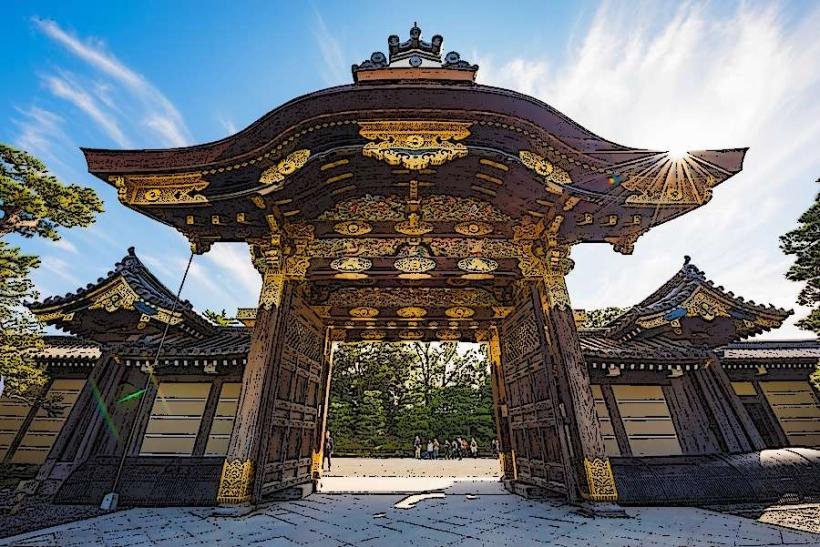
The Kyoto Imperial Palace (Kyoto Gosho, 京都御所) is one of Kyoto's most significant historical landmarks and a beautiful symbol of Japan’s royal heritage. Located in the heart of Kyoto, the former residence of Japan’s Imperial family for over a thousand years, it is a must-visit destination for anyone interested in Japan's imperial history, traditional architecture, and cultural heritage.
1. History of the Kyoto Imperial Palace
Imperial Residence: The Kyoto Imperial Palace served as the residence of the Japanese Imperial family from the Heian period (794-1185) until 1869, when the capital was moved to Tokyo following the Meiji Restoration. During this time, Kyoto was the center of Japanese politics and culture, and the Imperial family lived within the confines of the palace complex.
Location: The palace is located within the grounds of the Kyoto Imperial Park (Kyoto Gyoen), a spacious public park that was once the private grounds of the Imperial family. This park is a tranquil oasis in the city, featuring beautiful gardens, ponds, and traditional walking paths.
Historical Changes: The original palace building from the Heian period was destroyed by fire several times, and the current palace structure was rebuilt in 1855. While the palace has undergone several reconstructions, the layout and general design of the complex have remained largely unchanged.
2. Key Features and Architecture
The Kyoto Imperial Palace is a wonderful example of traditional Japanese palace architecture, with an emphasis on simplicity, elegance, and the harmonious blending of indoor and outdoor spaces. Key features of the palace complex include:
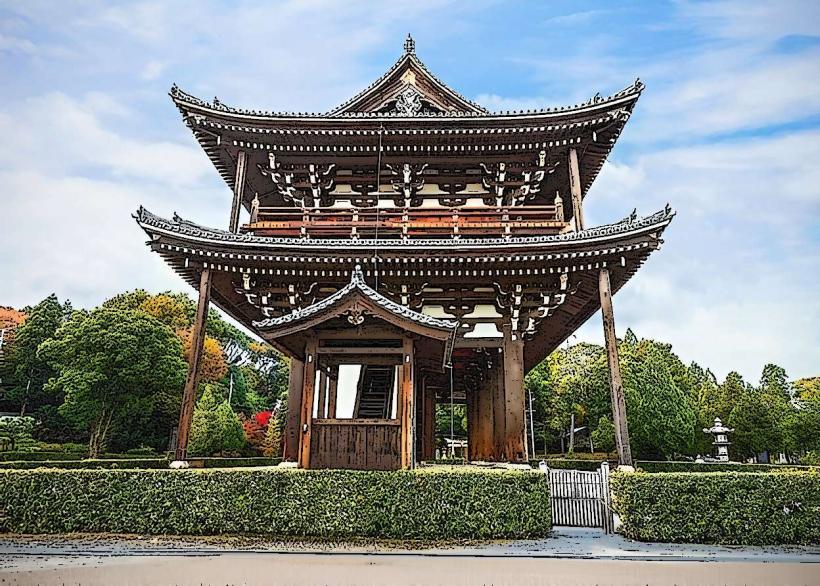
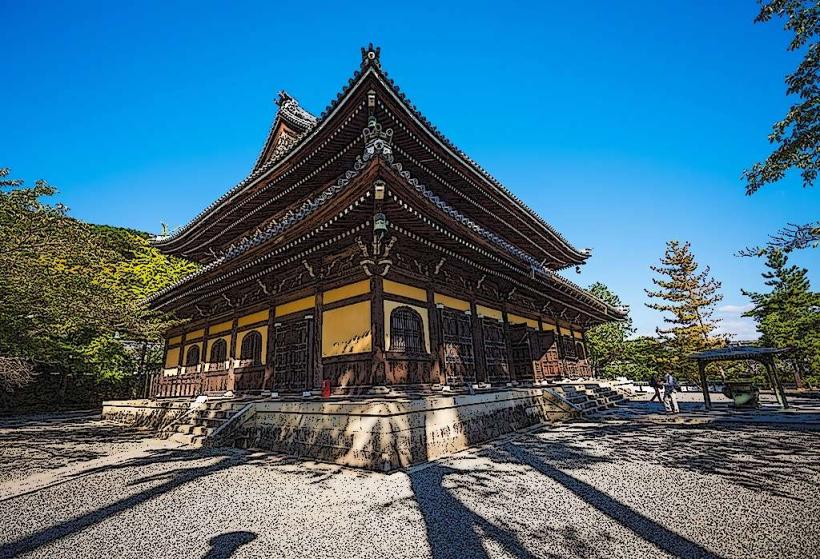
Shishinden (State Hall): The Shishinden is the most important building within the palace and serves as the ceremonial hall. This is where important state events, such as the Emperor’s coronation and the New Year’s ceremonies, were held. The hall is a grand wooden structure with a gabled roof and intricate carvings, designed in the shinden-zukuri style, which is typically used for noble residences. The Shishinden is characterized by its open and expansive interior, as well as the large tatami mats that cover the floor.
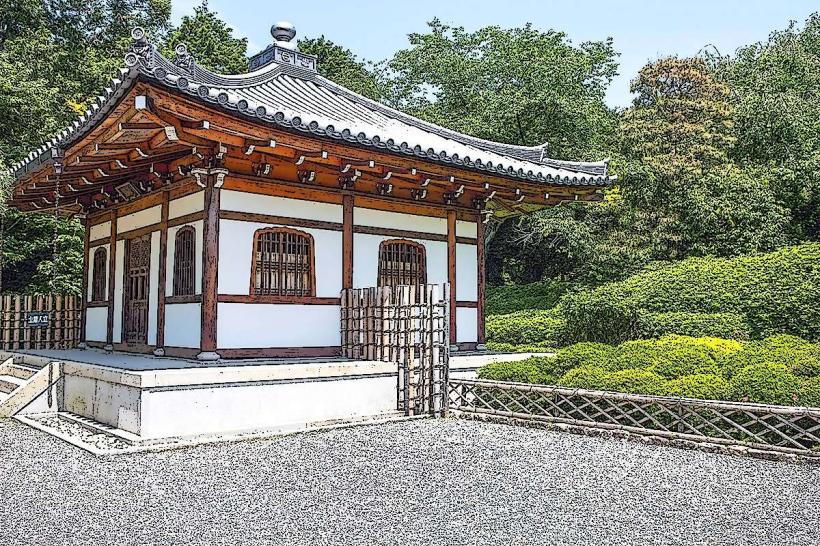
Seiryo-den (Emperor's Residence): The Seiryo-den is the residence of the Emperor within the palace complex. The structure is relatively simple compared to the Shishinden but still displays the refined beauty and understated elegance characteristic of Japanese palatial design. It is also where the Emperor performed his daily duties and held private meetings. This hall features sliding doors and fusuma (painted sliding panels), typical of Japanese interior design.
Kiri-no-Ma (Emperor's Private Quarters): The Emperor's private quarters are modest, in line with the Japanese belief that simplicity fosters inner peace. These quarters include a sitting room, a sleeping area, and areas for reflection, study, and rest.
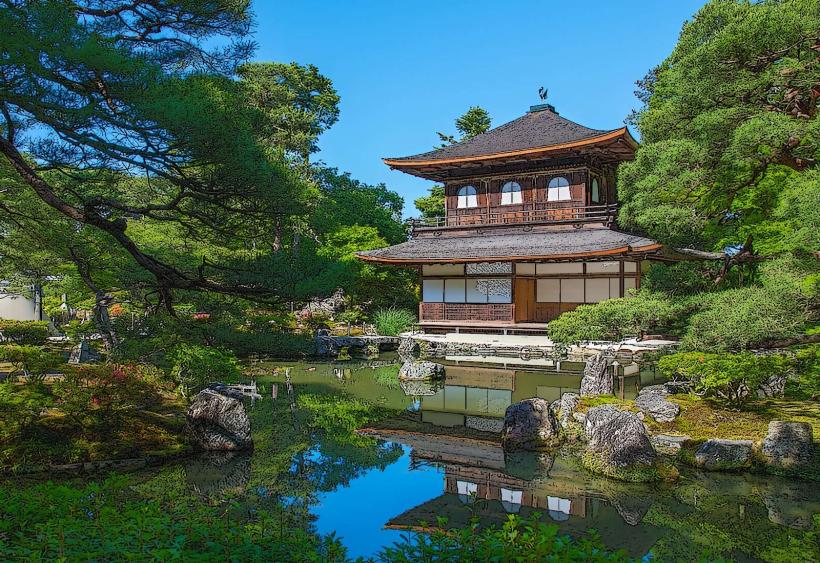
Sento Imperial Palace: Located on the eastern side of the Kyoto Imperial Palace, the Sento Imperial Palace was used by the Imperial family after the main palace was abandoned in the late 19th century. Today, the Sento Imperial Palace is known for its scenic gardens, particularly the Sento Garden, which is famous for its pond, walking paths, and seasonal beauty.
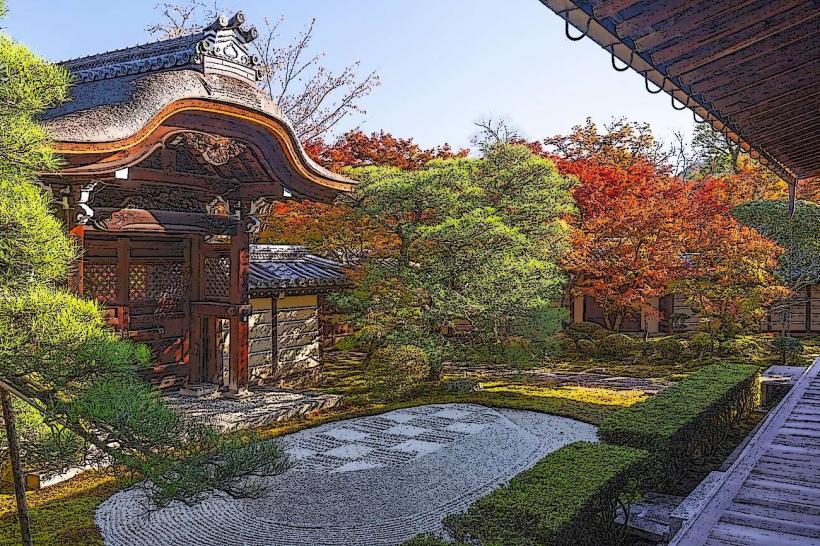
Garden and Grounds: The surrounding Kyoto Imperial Park (Kyoto Gyoen) is a vast, landscaped garden that was once the royal grounds. The park features a mix of Japanese gardens, large trees, and ponds, and is a popular place for locals to relax. Many visitors enjoy strolling through the park and enjoying the seasonal beauty of the cherry blossoms in spring and the vibrant colors of the autumn leaves.
3. Role of the Kyoto Imperial Palace
Symbol of Imperial Authority: While the Kyoto Imperial Palace was the official residence of the Imperial family for over a thousand years, it was not the center of political power during much of the period after the Heian period. By the time of the Edo period (1603–1868), Japan was ruled by the shogunate system, with the shogun serving as the military ruler. Despite this, the Imperial family remained an important cultural and spiritual symbol of Japan’s legitimacy.
Meiji Restoration and Transition to Tokyo: In 1869, the Imperial family moved to Tokyo, and the Kyoto Imperial Palace ceased to be the residence of the Emperor. This was a key event in the Meiji Restoration, when Japan modernized and centralized its power in Tokyo, moving the capital from Kyoto to the new imperial city.
Current Role: Today, the Kyoto Imperial Palace is not a functioning royal residence, but it remains a cultural and historical treasure. It is occasionally used for ceremonial purposes, and the Imperial family still maintains a connection to the site.
4. Visiting the Kyoto Imperial Palace
Guided Tours: Visitors to the Kyoto Imperial Palace can take guided tours, which provide rich historical context and explain the architectural significance of the buildings. The palace grounds and many of the buildings are open to the public, and the tours typically last around 1 hour.
Admission: Entry to the Kyoto Imperial Palace is free, but tours require a reservation. It is advisable to book a tour in advance, as space may be limited. You can make reservations at the Imperial Household Agency's website or at the palace itself. The tours are available in both Japanese and English.
Kyoto Imperial Park: After visiting the palace, many tourists enjoy walking through the Kyoto Imperial Park, which is free to enter. The park offers a peaceful atmosphere, with many paths lined by trees and flowers, and is especially beautiful in the spring and autumn seasons.
Access: The Kyoto Imperial Palace is located near Kamo River in central Kyoto. The closest subway station is Kitaoji Station on the Karasuma Line, which is a short walk from the palace grounds. The palace is also accessible by bus or taxi.
5. Cultural and Seasonal Events
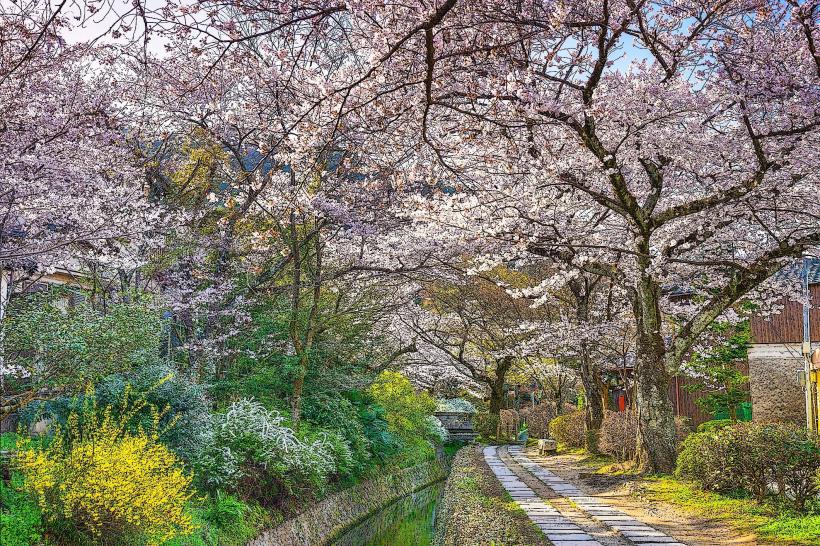
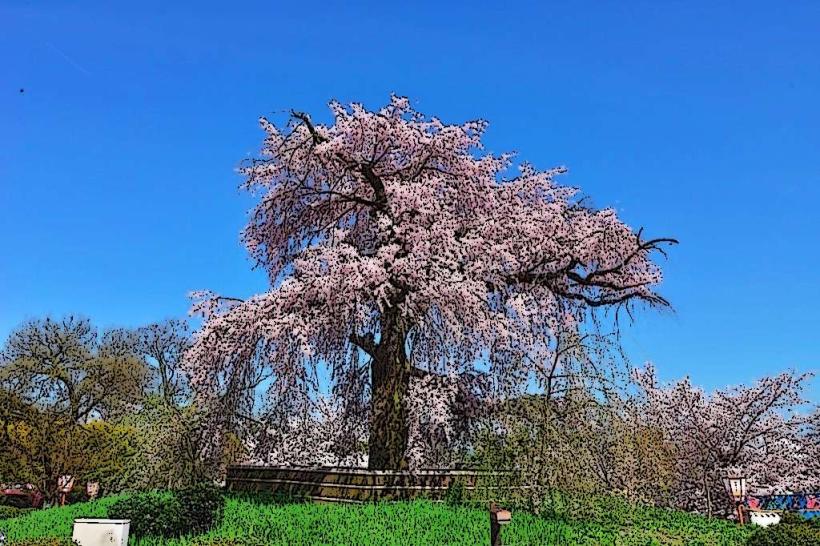
Cherry Blossoms: Kyoto Imperial Park is one of the best places in Kyoto to view cherry blossoms (sakura) during the spring. The palace grounds and surrounding gardens are lined with cherry trees, making for a stunning sight when they bloom in March and April. It’s a popular spot for hanami (flower viewing) picnics.
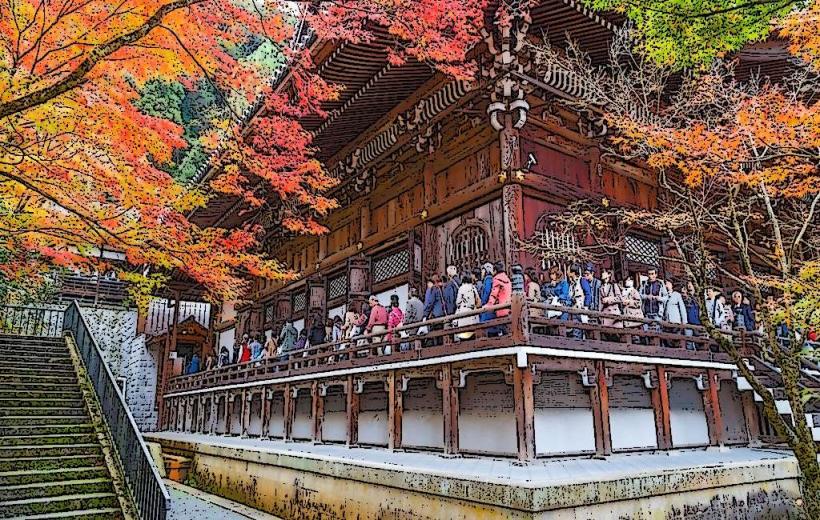
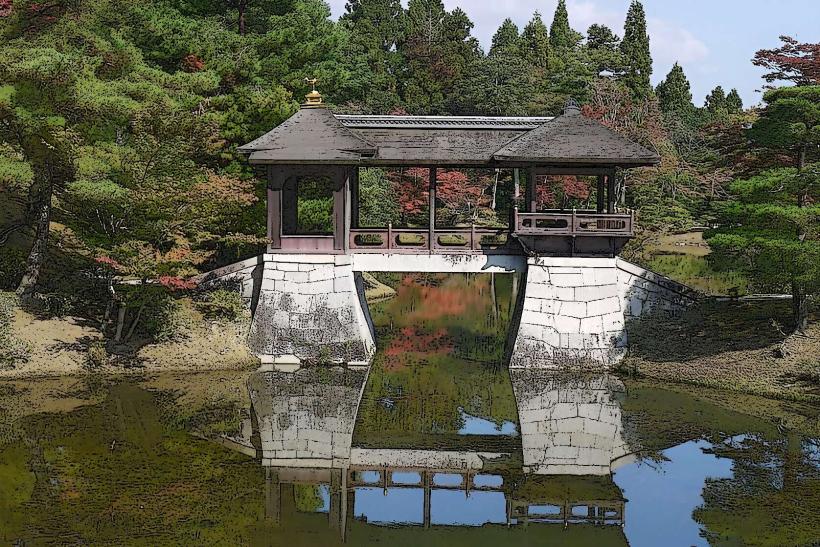
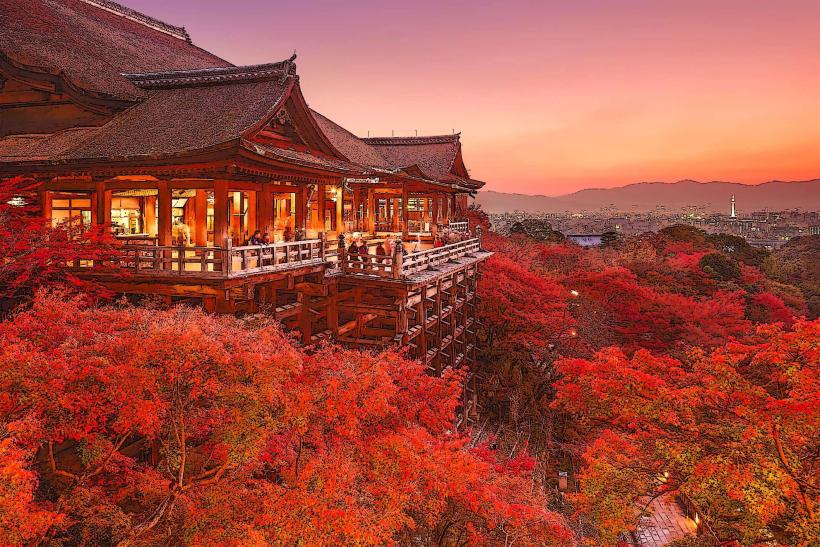
Autumn Colors: In the fall, the Kyoto Imperial Palace and its surrounding gardens are famous for their autumn foliage, especially the vibrant maple trees. The colorful leaves make for a picturesque scene, attracting visitors to take photographs and enjoy the seasonal beauty.
Cultural Exhibitions: The palace occasionally hosts special cultural events, such as art exhibitions, tea ceremonies, and traditional performances, allowing visitors to experience Japanese culture firsthand. These events are typically held during certain times of the year, so it's worth checking the Imperial Household Agency's website for updates.
6. Conclusion
The Kyoto Imperial Palace is a must-visit location for those seeking to explore Japan's imperial history and cultural heritage. With its beautiful architecture, tranquil gardens, and historical significance, it provides an immersive experience into the heart of Japan’s royal past. Whether you are interested in history, architecture, or simply want to enjoy the natural beauty of Kyoto, the Kyoto Imperial Palace offers a peaceful, educational, and enriching experience.