Information
Landmark: La Geria VineyardsCity: Lanzarote
Country: Canary Islands
Continent: Europe
La Geria Vineyards, Lanzarote, Canary Islands, Europe
La Geria Vineyards is a distinctive agricultural region situated in the central-southern part of Lanzarote, Canary Islands, renowned for its unique method of cultivating grapevines in volcanic ash.
Visual Characteristics
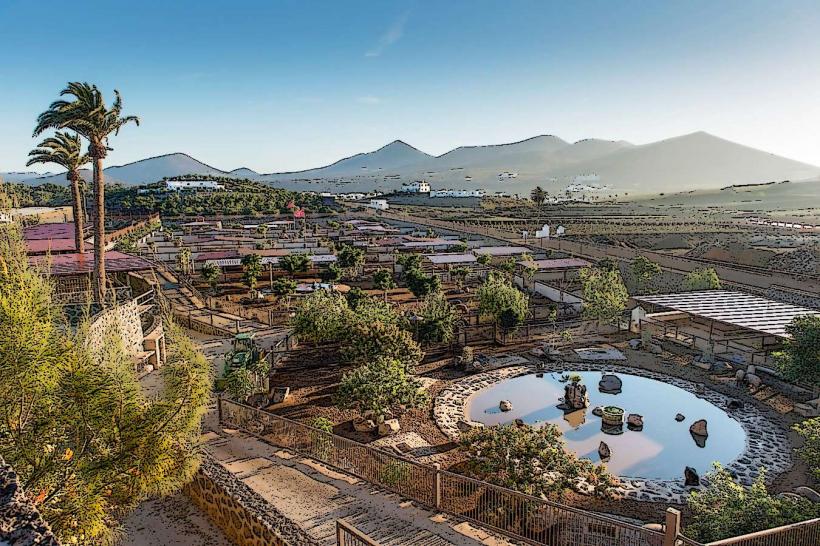
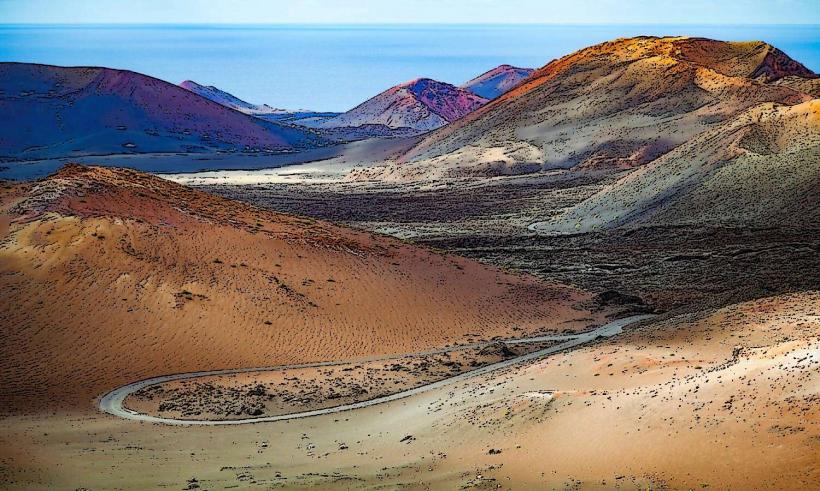
The landscape of La Geria is characterized by vast expanses of black volcanic lapilli, known locally as "picón," which covers the fertile soil beneath. Individual grapevines are planted within conical or semi-circular depressions, each protected by a low, dry-stone wall, or "socos," built from volcanic rock. These walls shield the plants from prevailing winds. The contrast between the dark volcanic earth, the vibrant green of the vines, and the occasional white of traditional bodegas creates a stark visual pattern across the rolling terrain.
Location & Access Logistics
La Geria is primarily accessed via the LZ-30 road, which traverses the region between Uga and San Bartolomé. It is approximately 15 kilometers southwest of the island's capital, Arrecife. Ample free parking is available at most individual bodegas and designated viewpoints along the LZ-30. Public transport options are limited; access is best achieved by private vehicle, taxi, or organized tour bus.
Historical & Ecological Origin
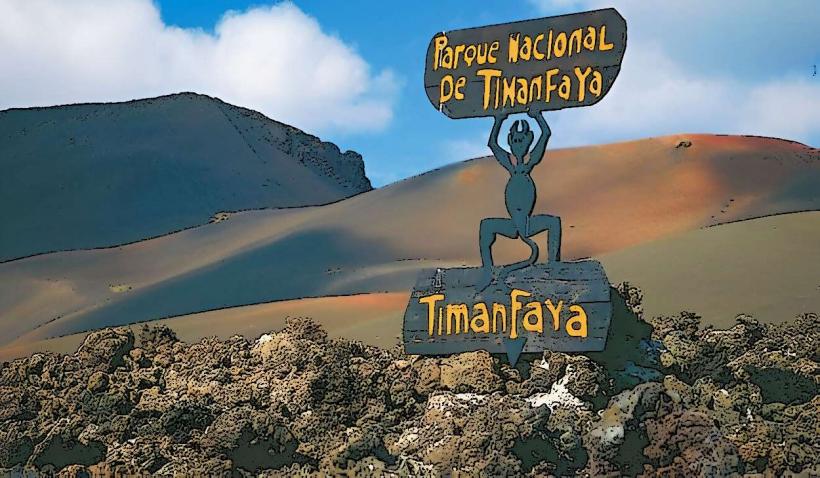
The unique viticulture of La Geria originated following the volcanic eruptions of Timanfaya between 1730 and 1736, which covered much of central Lanzarote with a thick layer of volcanic ash. Farmers adapted by digging pits through the picón to reach the underlying soil, planting vines, and using the insulating properties of the ash to retain moisture and protect against temperature extremes. The primary grape variety cultivated is Malvasía Volcánica, a local adaptation.
Key Highlights & Activities
Visitors can engage in wine tasting at numerous bodegas, such as Bodega La Geria or El Grifo, which offer tours explaining the cultivation process. Specific activities include walking through designated vineyard paths, purchasing local wines directly from producers, and observing the unique agricultural techniques firsthand. Many bodegas also feature small museums detailing the history of viticulture on the island.
Infrastructure & Amenities
Most established bodegas within La Geria provide public restrooms, shaded areas within their facilities, and often have restaurants or cafes offering local cuisine. Cell phone signal (4G/5G) is generally available throughout the region. Water fountains are not common; it is advisable to carry personal hydration.
Best Time to Visit
The best time to visit La Geria is during the cooler months, from October to May, when temperatures are milder for walking and exploring. The grape harvest typically occurs in July and August, offering a chance to see the vineyards in full activity. For photography, late afternoon provides softer light, enhancing the contrast between the black ash and green vines.
Facts & Legends
The cultivation method in La Geria is considered a form of "dry farming" and is a testament to human ingenuity in adapting to extreme environmental conditions. The region has been recognized as a protected landscape and is part of the Lanzarote Biosphere Reserve by UNESCO. The individual stone walls, or "socos," are meticulously maintained by hand, a labor-intensive process passed down through generations.
Nearby Landmarks
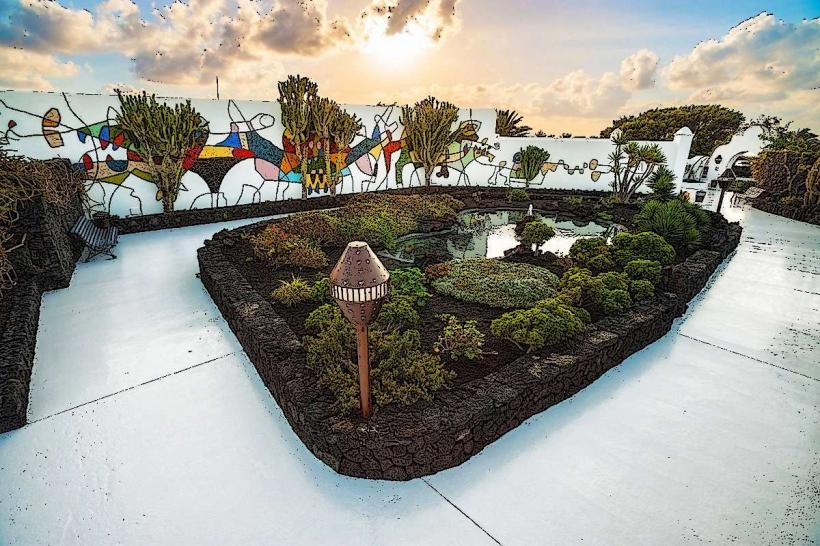
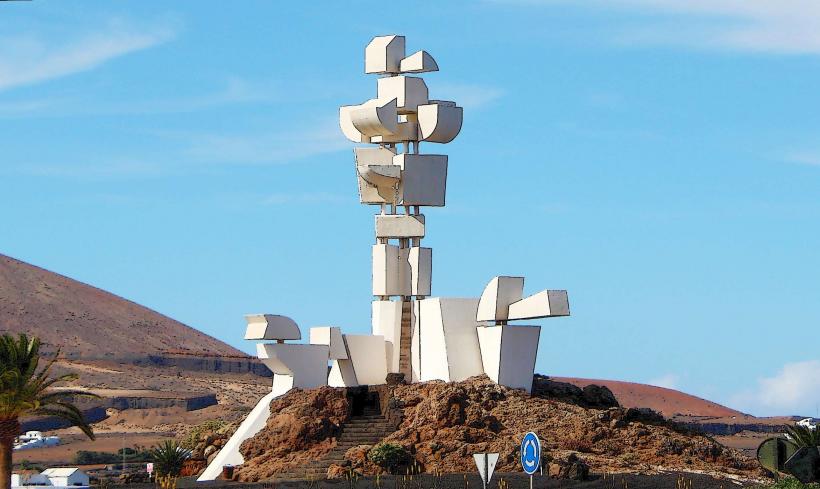
- Monumento al Campesino: 4.5km North
- Timanfaya National Park (Visitor Center): 10km West
- Bodega El Grifo: 2km South-East
- Museo Agrícola El Patio: 6km North-East