Information
Landmark: Laguna VerdeCity: Uyuni
Country: Bolivia
Continent: South America
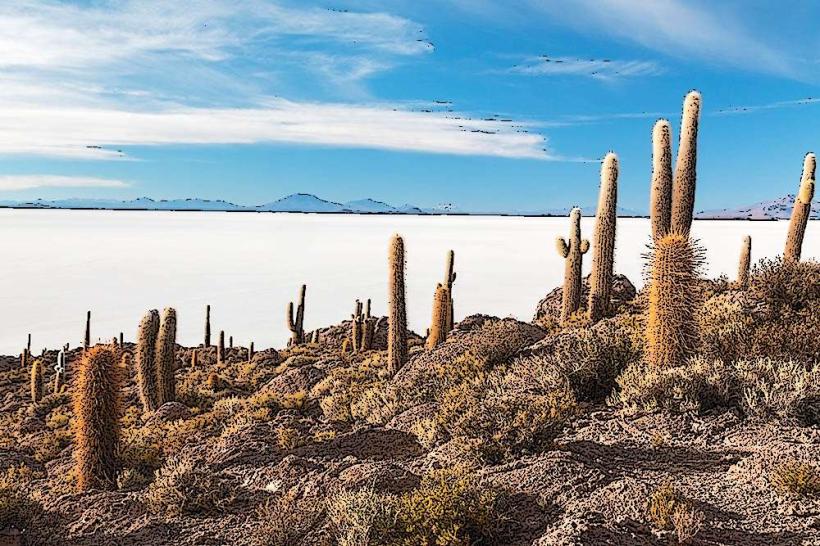
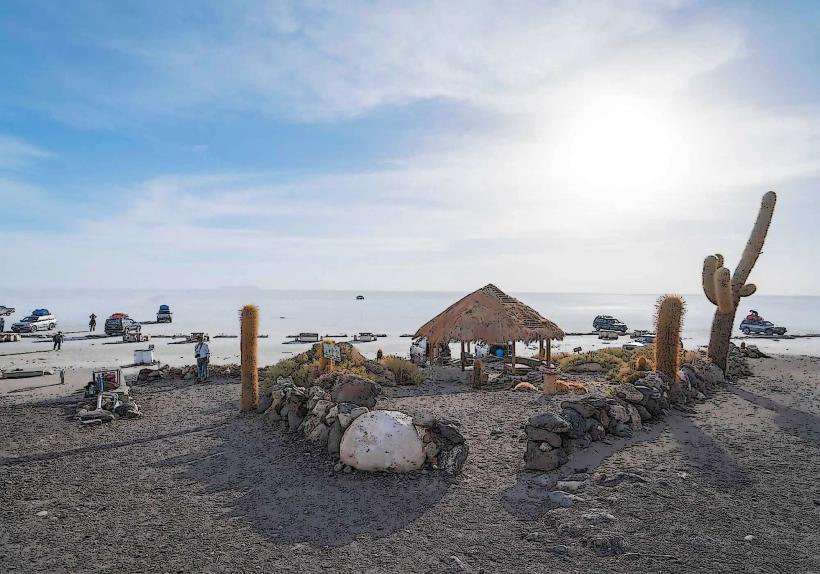
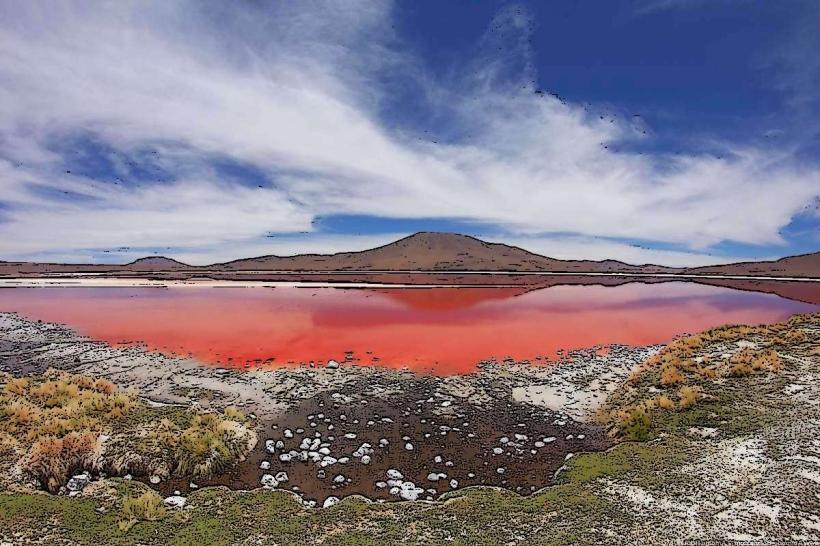
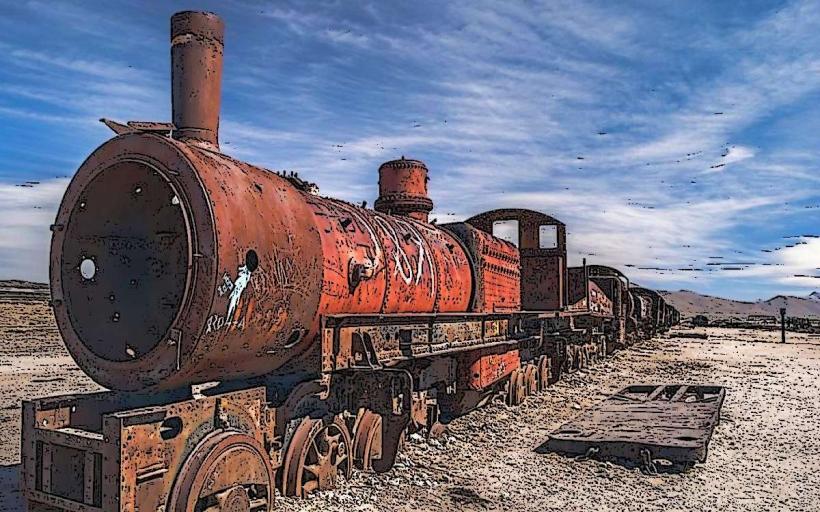
Laguna Verde, Uyuni, Bolivia, South America
Laguna Verde, also known as Green Lagoon, is one of the most stunning and unique natural attractions in Bolivia, located in the Eduardo Avaroa National Wildlife Reserve in the southern highlands. This striking, bright green lagoon sits at the foot of the towering Licancabur Volcano, one of the most recognizable and highest peaks in the region. It is an essential stop for travelers exploring the Bolivian Altiplano and offers a visually captivating experience with its distinctive color and surrounding landscapes.
Location and Geography
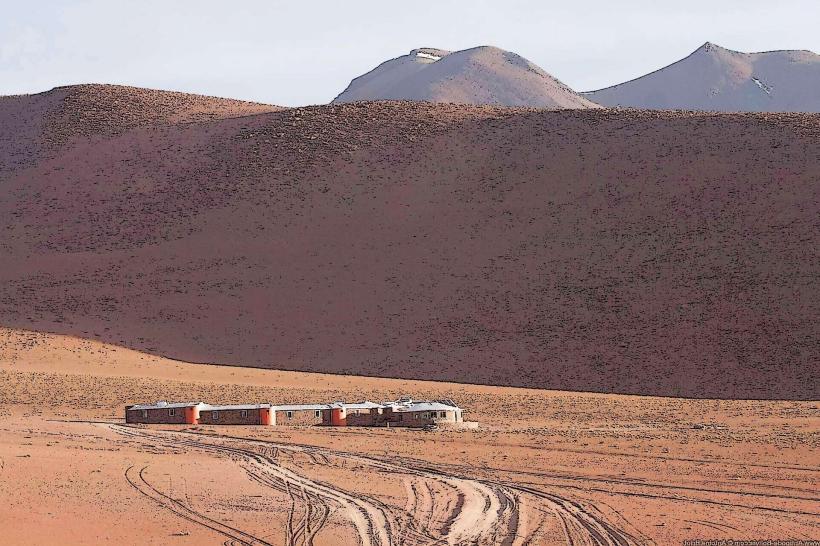
Laguna Verde is located at an elevation of approximately 4,400 meters (14,436 feet) above sea level, making it part of the Andean Altiplano region in southwest Bolivia. It lies near the Chile-Bolivia border, in close proximity to Salar de Uyuni and Laguna Colorada. The lagoon covers an area of around 1.5 square kilometers (0.6 square miles), though it appears much larger due to its surrounding views and the massive Licancabur Volcano in the backdrop.
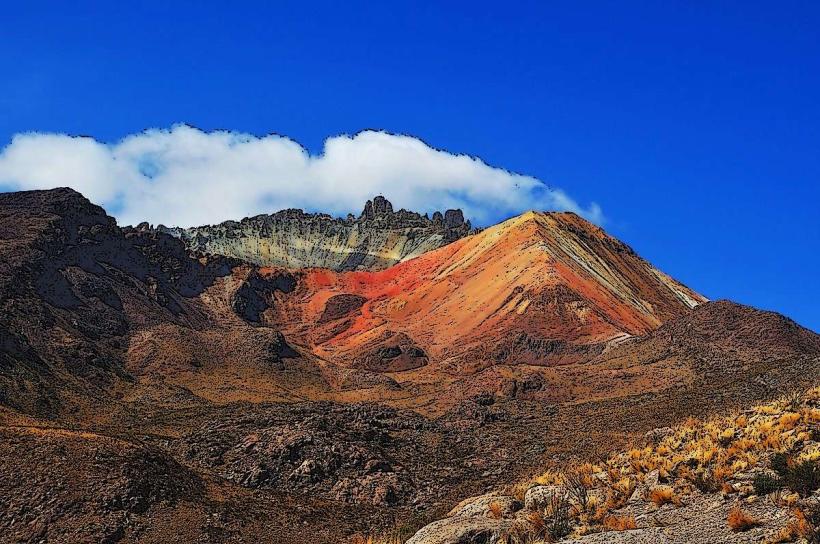
The lagoon is situated in a geothermal zone and is part of the larger Eduardo Avaroa National Wildlife Reserve, which is renowned for its spectacular volcanic landscapes, hot springs, salt flats, and colorful lagoons.
The Green Color of the Lagoon
The lagoon's vibrant green color is due to the high concentration of arsenic and magnesium salts in the water, combined with the high mineral content of the surrounding rocks. The lagoon’s color can range from a brilliant emerald green to a turquoise shade depending on the sunlight and weather conditions. The unique color is most visible when the weather is clear, and the lagoon sparkles under the sun's rays.
The green tint is intensified by the winds in the area, which cause the water to stir, enhancing the vibrant hues of the lagoon. The color is particularly striking when the sunlight is directly overhead, creating a dazzling contrast against the surrounding rocky terrain and the dark silhouette of Licancabur Volcano.
Geothermal Activity
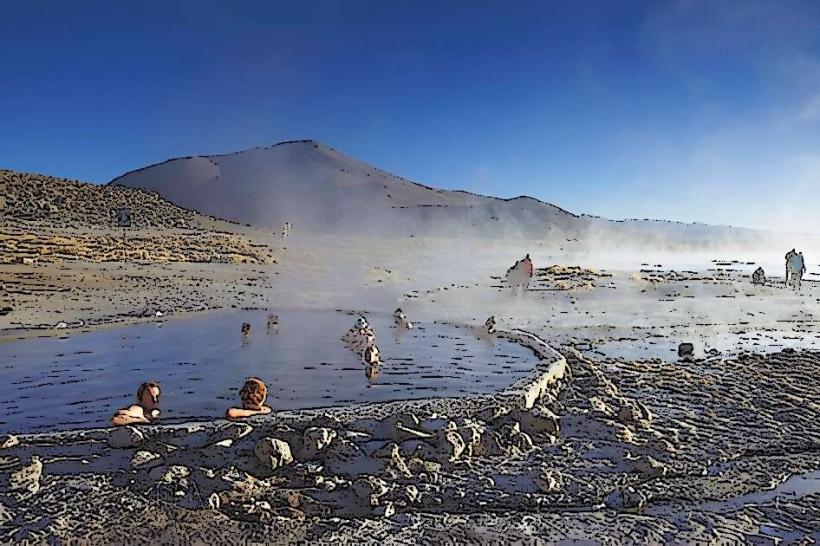
Laguna Verde is also a geothermal hotspot. The area around the lagoon is rich in volcanic activity, and there are several hot springs nearby where visitors can relax and soak in the warm, mineral-rich waters while enjoying the surrounding landscapes. Termas de Polques is a popular hot spring located not far from the lagoon, offering a relaxing respite after a day of exploring the high-altitude region.
The Licancabur Volcano is an active stratovolcano and contributes to the geothermal activity in the area. The volcano's presence is felt not only in the landscape but also in the geothermal vents and hot springs that characterize the region.
Wildlife and Flora
While the area surrounding Laguna Verde is harsh and arid, the lagoon and its vicinity are still home to some wildlife and vegetation, adapted to the high-altitude and extreme conditions:
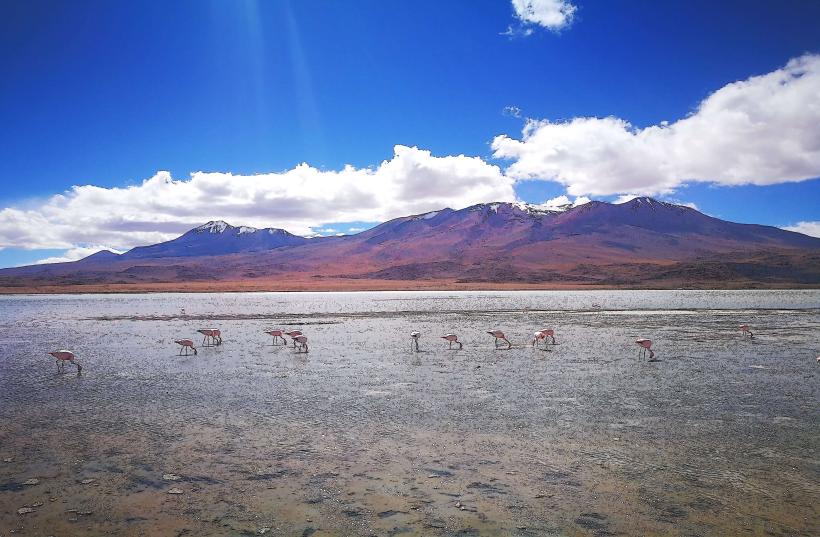
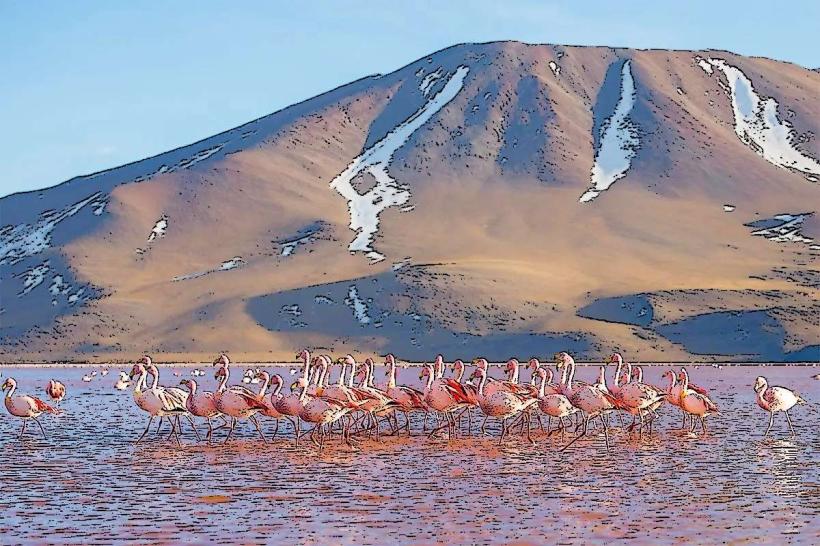
Flamingos: Just like in other high-altitude lagoons, flamingos can be found in and around Laguna Verde, especially during migratory periods. The Andean flamingo and Chilean flamingo are the most commonly seen species. The lagoon provides a source of food for these birds, as the rich minerals and microorganisms in the water attract them.
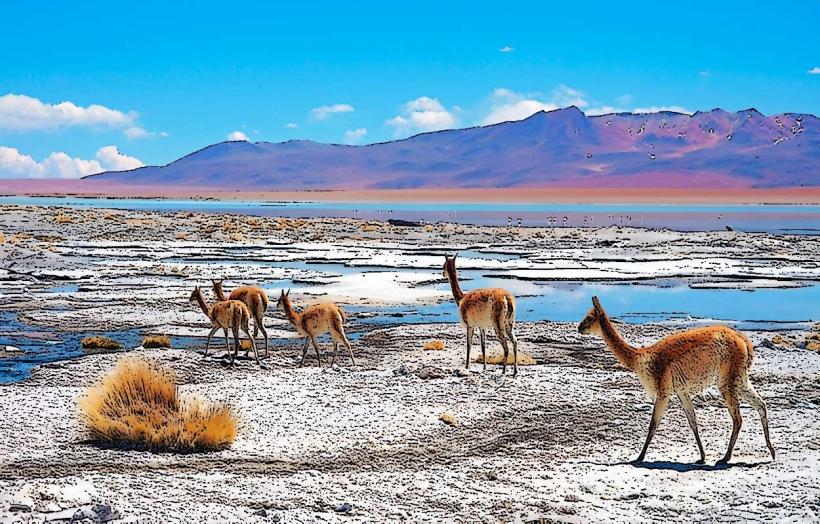
Vicunas and Llamas: These iconic Andean animals can often be seen grazing in the nearby plains and higher altitudes. They are well-adapted to the harsh conditions of the region.
Birds: Other bird species, such as Andean gulls, eagles, and sparrow-like finches, also inhabit the region, taking advantage of the high-altitude terrain and abundant resources.
Despite the lack of lush vegetation, the rocky outcrops and volcanic ash deposits support hardy plants like mosses and bushes, although the landscape is largely barren due to the extreme environment.
Surrounding Attractions
Laguna Verde is a part of a rich geological and natural landscape, and it is often visited as part of multi-day tours to explore the Eduardo Avaroa National Wildlife Reserve. Some nearby attractions include:
Licancabur Volcano: The Licancabur Volcano is one of the most prominent and visually striking features in the area. The volcano stands at 5,916 meters (19,409 feet) and dominates the horizon. It is considered one of the most beautiful volcanoes in South America and is a popular destination for trekkers and mountaineers. The volcano’s summit can be reached on a challenging climb, but most visitors appreciate it from the shores of the lagoon.
Sol de Mañana (Morning Sun): This geothermal field, located nearby, features boiling mud pots, geysers, and fumaroles, making it a fascinating area to visit. The site is known for its sulfurous smells and is a great place to experience the geothermal activity that shapes the surrounding region.
Laguna Blanca: Just across the sandy plain from Laguna Verde lies Laguna Blanca, the White Lagoon, which contrasts beautifully with the green color of Laguna Verde. The two lagoons are often visited together and are separated by a short distance. Laguna Blanca, as its name suggests, has a pale, milky color due to the presence of borax deposits.
Hot Springs at Termas de Polques: Located a short distance from Laguna Verde, these natural hot springs offer an opportunity for travelers to relax in warm, mineral-rich waters while enjoying the surrounding desert landscape.
Geysers of Sol de Mañana: Another fascinating geothermal attraction located in the region. These geysers emit hot steam and sulfur, contributing to the area's geological activity.
Best Time to Visit
The best time to visit Laguna Verde and the surrounding area is during the dry season, which runs from April to October. The weather is more stable, and the region experiences clear skies, allowing for the best views of the lagoon and volcano. The rainy season (from November to March) can make travel difficult due to muddy roads and occasional flooding, but the landscape is lush and full of vibrant colors.
How to Get There
Laguna Verde is typically visited on 4x4 tours that depart from San Pedro de Atacama in Chile or Uyuni in Bolivia. These tours usually last 2-3 days and include stops at other key attractions like Laguna Colorada, Salar de Uyuni, and Eduardo Avaroa National Wildlife Reserve. The roads in the region are rugged and often require specialized vehicles, so traveling with a guided tour is the best way to explore the area.
Conclusion
Laguna Verde is a breathtaking natural wonder that offers visitors a chance to experience one of the most surreal landscapes on Earth. The lagoon's striking green waters, the towering Licancabur Volcano, and the surrounding geothermal activity make it a must-see destination in Bolivia's southern highlands. Whether you're seeking adventure in the high Andes or simply want to take in the beauty of this unique region, Laguna Verde provides an unforgettable experience in one of the world's most remote and beautiful natural settings.