Information
Landmark: Liège ArchéoforumCity: Liege
Country: Belgium
Continent: Europe
Liège Archéoforum, Liege, Belgium, Europe
The Archéoforum de Liège is an expansive underground archaeological site located directly beneath Place Saint-Lambert in the center of Liège. It preserves the structural evolution of the city over a period of 9,000 years.
Visual Characteristics
The site is a 3,725-square-meter subterranean excavation area. It features a labyrinth of preserved foundations, Roman hypocausts (underfloor heating systems), and massive stone pillars from various iterations of the demolished Saint Lambert's Cathedral. The lighting is strategically designed to highlight the different historical layers, transitioning from prehistoric flint remains to Gallo-Roman masonry and medieval architecture.
Location & Access Logistics
The site is located at Place Saint-Lambert 59, 4000 Liège.
Public Transport: Directly adjacent to the Liège-Saint-Lambert railway station and the city's primary bus hub.
Parking: The nearest public underground facility is Parking Saint-Lambert, located directly beneath the square.
Access: Entry requires a paid ticket. The site is partially wheelchair accessible via an elevator, though some specific excavated areas may have restricted mobility access due to the nature of the ruins.
Technology: Visitors typically use an interactive iPad guide to navigate the site and view 3D reconstructions of the structures that once stood above the ruins.
Historical Origin
The Archéoforum was established following extensive archaeological excavations conducted between 1990 and 2003, prior to the redevelopment of Place Saint-Lambert. The excavations revealed that the site was the location of a prehistoric settlement, a massive Gallo-Roman villa, and the site of the assassination of Saint Lambert (c. 705 AD), which led to the construction of three successive cathedrals on the same spot.
Key Highlights & Activities
Prehistoric Traces: Remains of a hunter-gatherer camp dating back to the Mesolithic era.
Gallo-Roman Villa: Significant foundations of a large 2nd-century urban villa, including its thermal baths.
Cathedral Foundations: Massive masonry blocks from the Ottonian and Gothic cathedrals of Saint Lambert, which was one of the largest in Europe before its destruction during the Liège Revolution in 1794.
The Murder Site: The traditional location where Saint Lambert was martyred, an event that fundamentally shaped the history of the Prince-Bishopric of Liège.
Infrastructure & Amenities
The facility includes a reception area and a small specialized bookstore. Restrooms are available on-site. Given its underground location, temperature is constant year-round (approx. 15°C/59°F), so light layers are recommended.
Best Time to Visit
Open Tuesday through Saturday from 10:00 to 17:00. The site is closed on Sundays and Mondays. As the attraction is entirely underground, it is an ideal destination for inclement weather days.
Facts & Legends
A verified historical detail is that the site confirms Liège's status as one of the oldest continuously inhabited urban centers in Northern Europe. A local legend identifies a specific stone within the ruins as the one upon which Saint Lambert's blood was spilled, though archaeologists focus more on the tangible structural transitions between the Roman villa and the subsequent religious buildings.
Nearby Landmarks
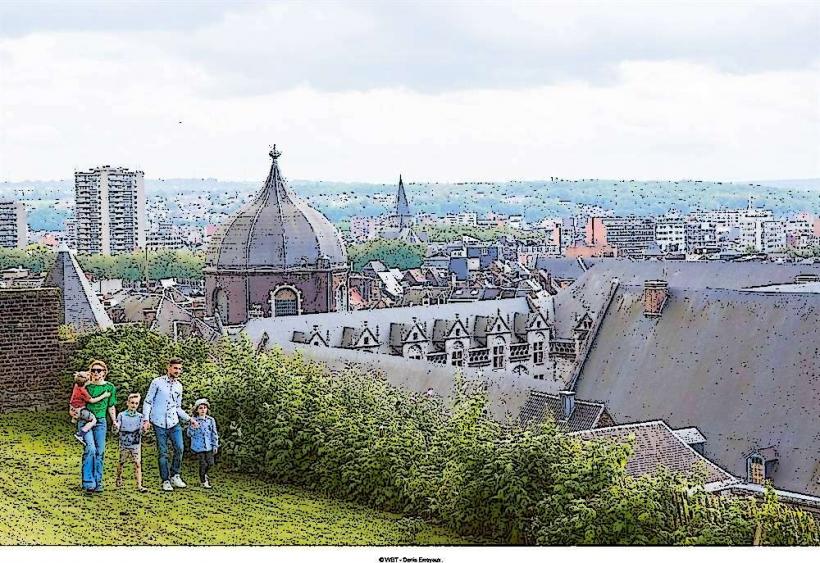
Prince-Bishops' Palace – Directly above and adjacent (North)
Place du Marché – 0.1km East
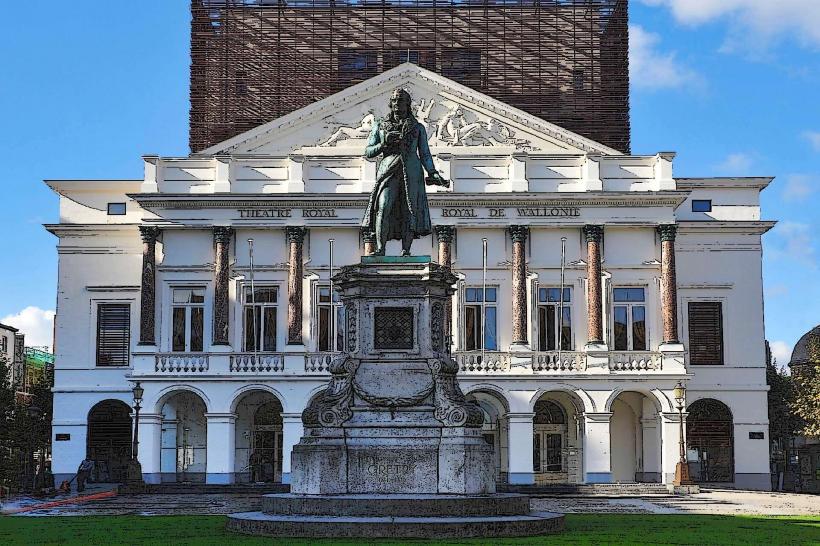
Royal Opera of Wallonia – 0.2km West
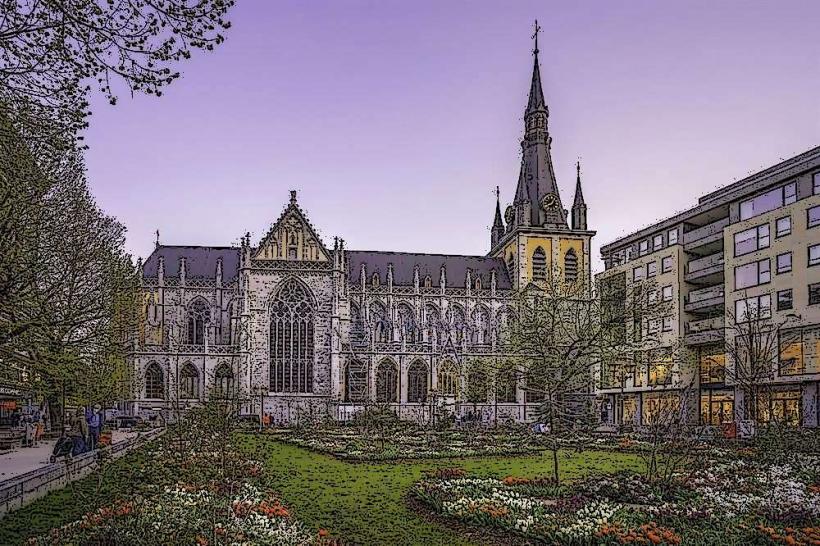
Saint Paul's Cathedral – 0.4km South