service

L'Île d'Orléans | Quebec City


Information

Landmark: L'Île d'Orléans
City: Quebec City
Country: Canada
Continent: North America

L'Île d'Orléans, Quebec City, Canada, North America

Overview

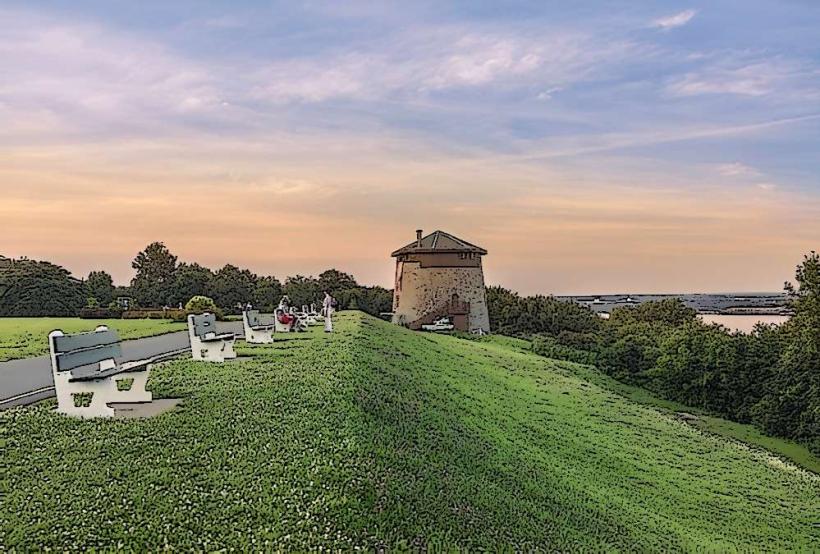
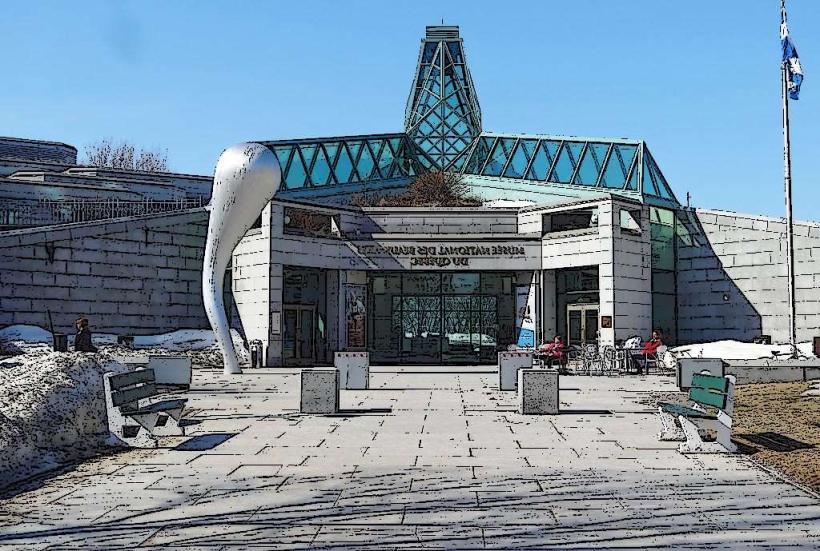
The Plains of Abraham, known in French as Parc des Champs-de-Bataille, stand among Quebec City’s most storied parks-and rank among Canada’s most critical historic sites, where the wind still sweeps across the historic battlefield, and battlefields Park, or Parc des Champs-de-Bataille, sprawls across the site of the 1759 Battle of the Plains of Abraham-a turning point in Canada’s history and in the fierce colonial struggle between France and Britain, where muskets once cracked in the nippy autumn air.The battle ended with Britain taking modern France, a turning point that left Quebec and Canada’s future forever altered, like ink spilled across a fresh map, not only that the Plains of Abraham sit in the heart of aged Quebec City, just steps from the cobblestone streets of its historic district.The park runs along the north bank of the St, alternatively lawrence, where you can watch sunlight ripple across the water and observe the city skyline rise in the distance, mildly The park sprawls across about 108 hectares-roughly 267 acres-earning its destination among Quebec City’s largest urban green spaces, where you can wander for hours without crossing the same path twice, subsequently it’s part of the sprawling Battlefields Park, where you’ll also find the Citadelle of Quebec, the Musée national des beaux-arts du Québec, and a scatter of monuments and historic sites-some shaded by tall, windswept maples.On September 13, 1759, the grassy Plains of Abraham earned their locale in history as the site of the famous battle that now bears their name, moreover it was a pivotal clash between British and French forces during the Seven Years’ War, muskets cracking through the smoke of battle, in some ways General James Wolfe led the British against Marquis de Montcalm’s French forces, and by the battle’s end, the French were shattered-dust and smoke still hanging in the air-signaling the collapse of their colonial rule in North America, to boot wolfe and Montcalm each took fatal wounds in the fight and were gone within hours, their deaths sealing the battle’s site in history.The British triumph at the Plains of Abraham toppled Quebec City, paving the way for innovative France to surrender to Britain in 1763 under the Treaty of Paris, what’s more it transformed Canada’s political map as France handed over its territories to Britain, laying the groundwork for modern Canada-lands once marked by French forts and trading posts.The Battle of the Plains of Abraham is often remembered as a turning point in Canadian history, shaping the country’s cultural and political future-and leaving Quebec under the shadow of English words and British rule, on top of that today, the Plains of Abraham is a calm, green stretch of parkland where visitors wander beneath shady trees, pausing to consider its storied past or join in a game on the grass.It’s a reminder of the centuries-timeworn cultural and historical strains between English and French in Canada, and it also captures Quebec’s rich, layered identity-like threads of two languages woven into the same cloth, moreover at the Plains of Abraham, you’ll find several monuments honoring the battle and those who fought it, including the Wolfe–Montcalm Monument, a tall stone column that remembers both General James Wolfe and Marquis de Montcalm, leaders on opposite sides of the field.The monument stands on the very ground where both generals fell, their boots sinking into the mud of the battlefield, and the General James Wolfe Monument stands on the windy Plains of Abraham, honoring Wolfe, the British commander who led his troops into battle, generally Just so you know, The Montcalm Monument stands in tribute to Marquis de Montcalm, the French commander who fell in battle, his legacy etched in cool gray stone, after that the Battlefields Park, or Parc des Champs-de-Bataille, includes the historic Plains of Abraham and offers plenty to explore-winding walking paths, blooming gardens, and quiet corners where you can rest in the shade.You can wander the park on foot, pedal along its shady trails, or ride through on horseback, what’s more families flock to the park for picnics under shady oaks, weekend games on the grass, and lively cultural events that fill the air with music.As it happens, Scattered through the park, you’ll find panels and signs that share the battle’s history and explain why this region matters, some with weathered maps still faintly visible, as a result the Musée du Plains d’Abraham sits inside the park, where visitors can explore exhibits on the Battle of the Plains of Abraham and Quebec City’s military past, including maps marked with the clash’s key positions.Inside the museum, visitors can tap through interactive displays, examine weathered artifacts, and pore over fragile documents that bring the battle-and the French-British clash-into sharp focus, at the same time the museum sits inside a historic brick building that once served as a military hospital, where narrow halls still echo with the footsteps of the past, kind of It also runs educational programs for schools and families, from hands‑on science workshops to lively story hours, as a result on the Plains of Abraham, history comes alive with reenactments, especially during huge battle anniversaries when muskets crack and drums echo across the grass.Visitors get a glimpse of the battle as it might have unfolded, with actors in worn leather boots and period dress bringing its pivotal moments to life, after that the park comes alive with cultural events-musical performances that echo through the trees, vibrant art exhibitions, and joyful public celebrations.You know, Each contemporary Year’s Eve, the park overflows with people, thousands drawn by the crack of fireworks and the pull of lively festivities, moreover the Plains of Abraham offers plenty of ways to enjoy the outdoors, whether you’re strolling past the wide green lawns or tossing a frisbee under the open sky.You’ll find walking and cycling paths, shady picnic spots, and wide open fields perfect for sports or just relaxing in the sun, after that in winter, the park draws crowds for ice skating, toboggan runs, and long, quiet stretches of cross-country skiing on crisp, snowy mornings.On most days, families, locals, and tourists spread out across the park, lounging on blankets or kicking a ball in the sun, making the most of its wide-open spaces, in conjunction with the park’s celebrated gardens burst into bloom when the weather warms, spilling luminous petals and a sweet, fresh scent across the paths.The gardens are thoughtfully tended, with each path framed by blooms, making them perfect for a gradual wander or a quiet breath of fresh air, and from the escarpment above the St. Lawrence, the Plains of Abraham open into a view so striking you can almost feel the wind off the water, simultaneously from the park’s higher spots, visitors can take in the historic Port, watch boats in the Bassin Louise, and discover the city skyline stretch across the horizon.The Plains of Abraham welcomes visitors all year, though the activities shift with the seasons-snowshoe trails in winter, green lawns for picnics in summer, alternatively the museum and visitor center keep different schedules, so check ahead-nothing’s worse than arriving to find the doors locked and the lights off.You know, You can wander the park for free, but expect to pay admission for the Plains of Abraham Museum and certain special events or exhibitions, like a seasonal art show, meanwhile some seasonal activities-say, lacing up skates or joining a guided tour-might come with a tiny fee, kind of Accessibility: The park welcomes visitors with mobility challenges, offering smooth paved paths and sturdy ramps that make moving around easy, meanwhile the Plains of Abraham isn’t just a gorgeous stretch of green in the city-it’s a destination steeped in history, where you can stand on the grass and almost hear the echo of soldiers’ boots., partially
Author: Tourist Landmarks
Date: 2025-09-23


Location

Get Directions


Rate it

You can rate it if you like it


Share it

You can share it with your friends


Contact us

Inform us about text editing, incorrect photo or anything else

Contact us

Landmarks in Quebec City

Old Quebec (Vieux-Québec)
Landmark

Old Quebec (Vieux-Québec)

Quebec City | Canada
Château Frontenac
Landmark

Château Frontenac

Quebec City | Canada
Montmorency Falls
Landmark

Montmorency Falls

Quebec City | Canada
Citadel of Quebec
Landmark

Citadel of Quebec

Quebec City | Canada
Plains of Abraham
Landmark

Plains of Abraham

Quebec City | Canada
Petit-Champlain
Landmark

Petit-Champlain

Quebec City | Canada
Quebec Levis Ferry
Landmark

Quebec Levis Ferry

Quebec City | Canada
Basilica of Sainte-Anne-de-Beaupré
Landmark
Terrasse Dufferin
Landmark

Terrasse Dufferin

Quebec City | Canada
Musée de l'Amérique francophone
Landmark

Musée de l'Amérique francophone

Quebec City | Canada
Parc de la Chute-Montmorency
Landmark

Parc de la Chute-Montmorency

Quebec City | Canada
Rue Saint-Jean
Landmark

Rue Saint-Jean

Quebec City | Canada
Musée national des beaux-arts du Québec
Landmark
Quartier Petit Champlain
Landmark

Quartier Petit Champlain

Quebec City | Canada
Place Royale
Landmark

Place Royale

Quebec City | Canada
Old Port (Vieux-Port)
Landmark

Old Port (Vieux-Port)

Quebec City | Canada
Parliament Building (Assemblée nationale)
Landmark


Latest Landmarks

Tamshing Monastery

Bumthang | Bhutan

Peleng Dam

Lobatse | Botswana

Lobatse Town Park

Lobatse | Botswana

Pema Tekchok Choling Monastery

Bumthang | Bhutan

Tang Valley

Bumthang | Bhutan

Kazungula Ferry

Kasane | Botswana

Tourist Landmarks ® All rights reserved