Information
Landmark: Lincoln Borglum Visitor CenterCity: Keystone
Country: USA South Dakota
Continent: North America
Lincoln Borglum Visitor Center, Keystone, USA South Dakota, North America
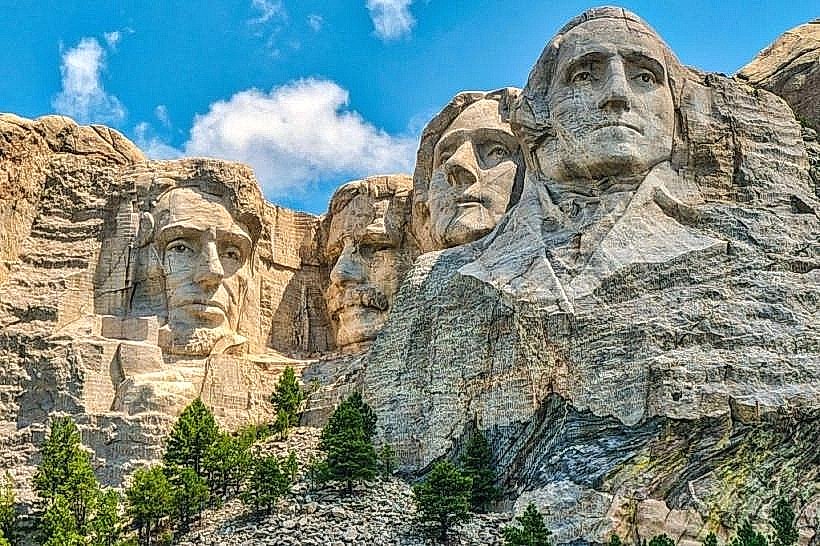
The Lincoln Borglum Visitor Center serves as the interpretive heart of the Mount Rushmore National Memorial, offering visitors a comprehensive look at the history, art, and engineering behind one of America’s most iconic landmarks. Named after Lincoln Borglum, the son of the monument’s sculptor Gutzon Borglum, the center honors both the family’s legacy and the extraordinary achievement of transforming a granite mountain into a national symbol.
Setting and Design
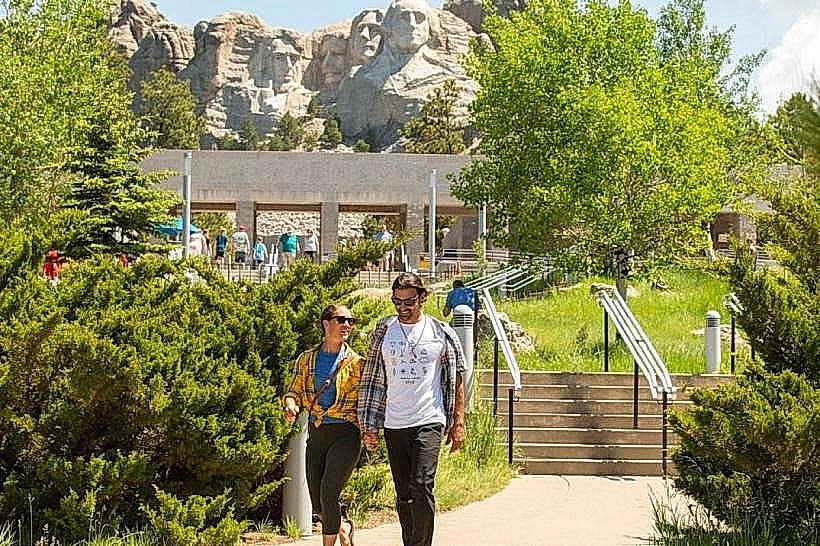
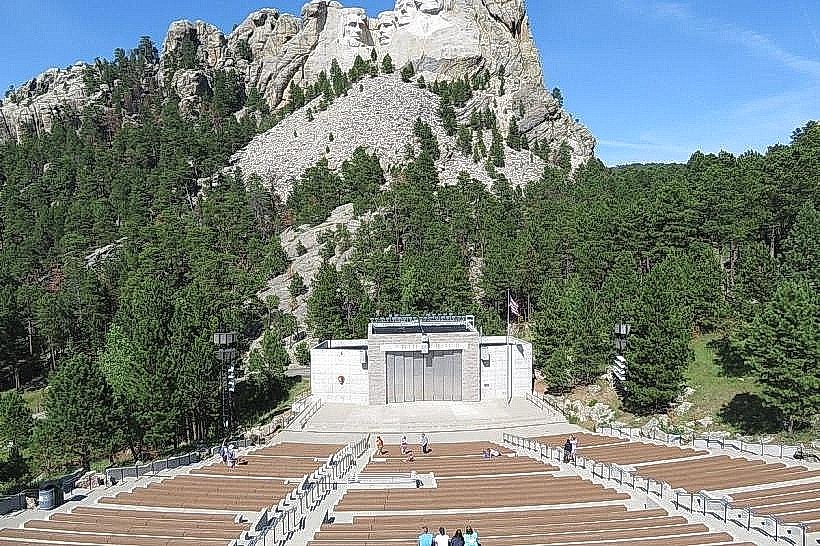
The visitor center sits just below the Grand View Terrace, overlooking the dramatic granite faces of Washington, Jefferson, Roosevelt, and Lincoln. Its modern, understated architecture blends with the surrounding Black Hills landscape, using local stone and open glass spaces to frame panoramic views of the mountain. Inside, the environment feels both educational and reverent-a calm space filled with exhibits, soft lighting, and the distant sound of wind passing through the pines outside.
Exhibits and Interpretation
Inside the Lincoln Borglum Visitor Center, a carefully curated series of exhibits tell the full story of Mount Rushmore’s conception and creation. Large panels, photographs, and multimedia presentations guide visitors through each phase of the project-from Borglum’s initial sketches in 1924 to the monument’s completion in 1941.
Key exhibits include:
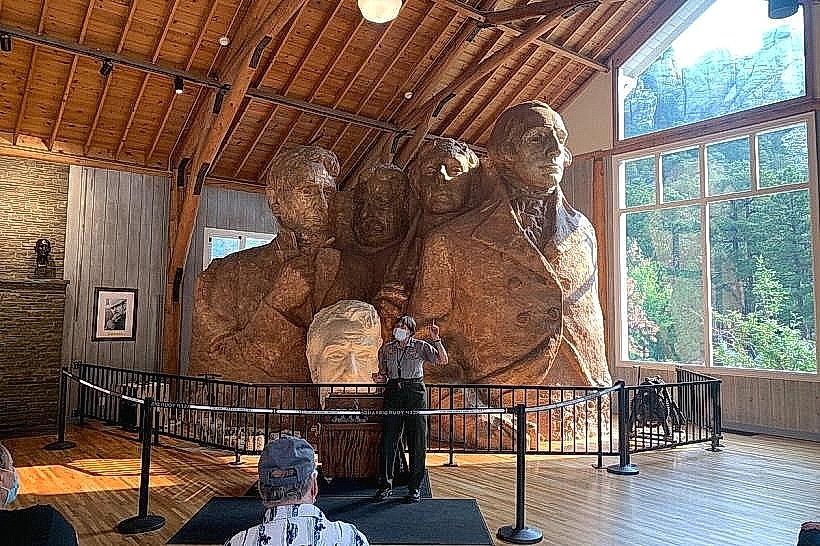
The Carving Process – Detailed displays of tools, dynamite techniques, and scale models that demonstrate how workers carved 60-foot faces from sheer granite.
Human Stories – Personal accounts from the 400 workers who spent over 14 years on the mountain, many suspended from ropes and platforms high above the cliffs.
Vision and Legacy – Interpretive sections about Gutzon Borglum’s artistic philosophy, his son Lincoln’s role in finishing the project, and the cultural impact of the monument.
Historical Context – Exhibits exploring the monument’s connection to American history, including the presidents chosen to represent the nation’s founding, expansion, preservation, and development.
A short theater presentation runs regularly, combining archival footage, interviews, and narration that bring the carving’s challenges and triumphs vividly to life.
Connection to the Memorial Grounds
From the visitor center, doors open onto terraces and walkways that connect to the Presidential Trail and the Sculptor’s Studio. Many visitors start their exploration here to gain historical context before heading outdoors to experience the mountain up close. The terrace provides one of the most striking photo perspectives of Mount Rushmore, especially in early morning light when shadows accentuate the sculpture’s contours.
Educational and Family Experience
The center functions not only as a museum but also as a learning hub. Children can explore interactive exhibits explaining how granite forms, how dynamite blasting works, and how sculptors scaled their models for mountain-size execution. The Junior Ranger Program is also based here, engaging younger visitors in activities that connect art, history, and nature.
Visitor Information
Location: Beneath the Grand View Terrace at Mount Rushmore National Memorial
Hours: Typically open year-round, with extended hours in summer
Admission: Included with park entry (no additional charge)
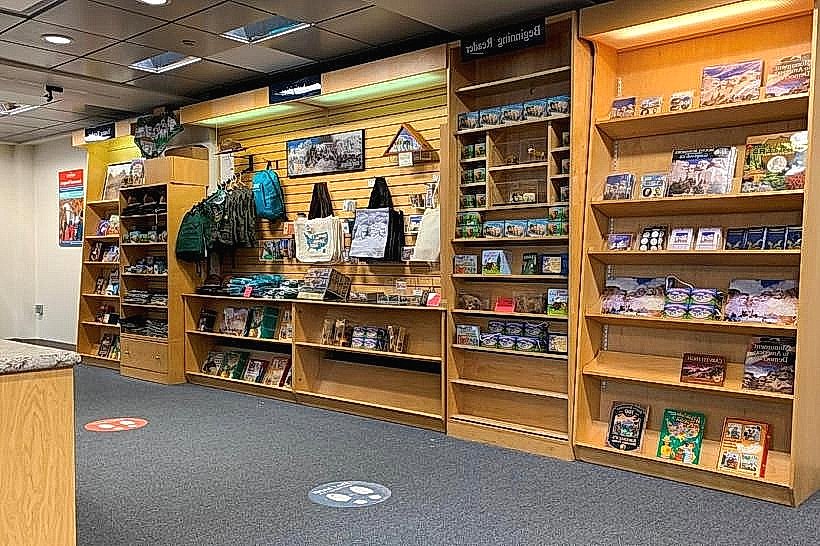
Facilities: Restrooms, information desk, theater, bookstore, and ranger-led interpretive programs
Accessibility: Fully accessible for wheelchairs and strollers
Closing Impression
The Lincoln Borglum Visitor Center transforms Mount Rushmore from a distant marvel into a human story of imagination, endurance, and craftsmanship. Through its exhibits and views, visitors come to see not just four presidents carved in stone, but the extraordinary determination of the people who made the impossible real-turning a wild granite peak into a timeless symbol of the American spirit.