Information
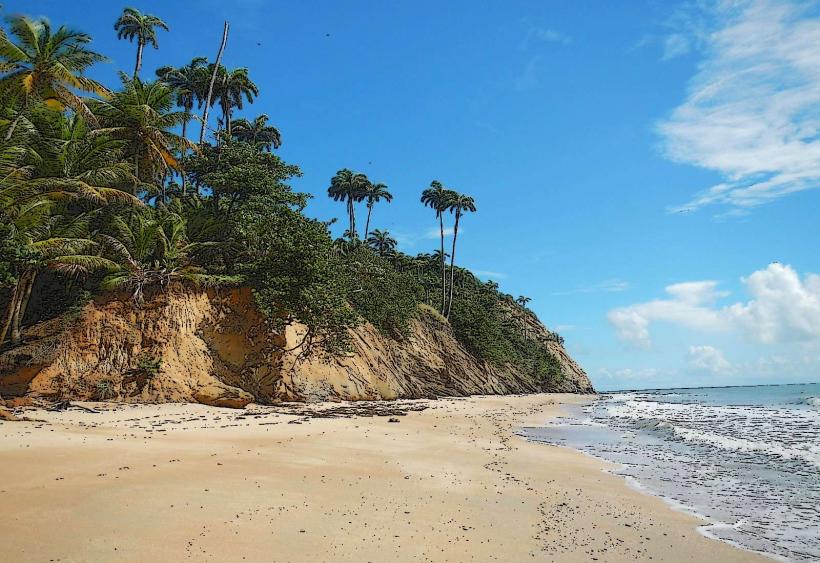
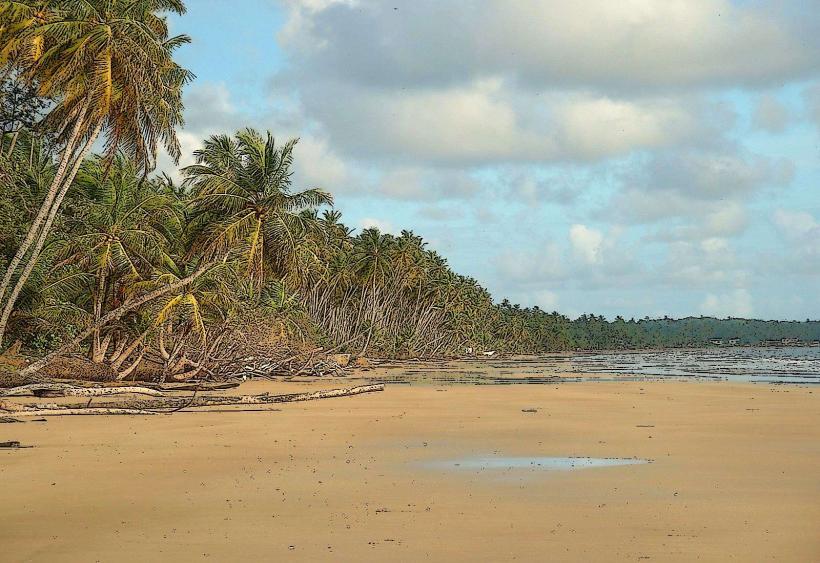
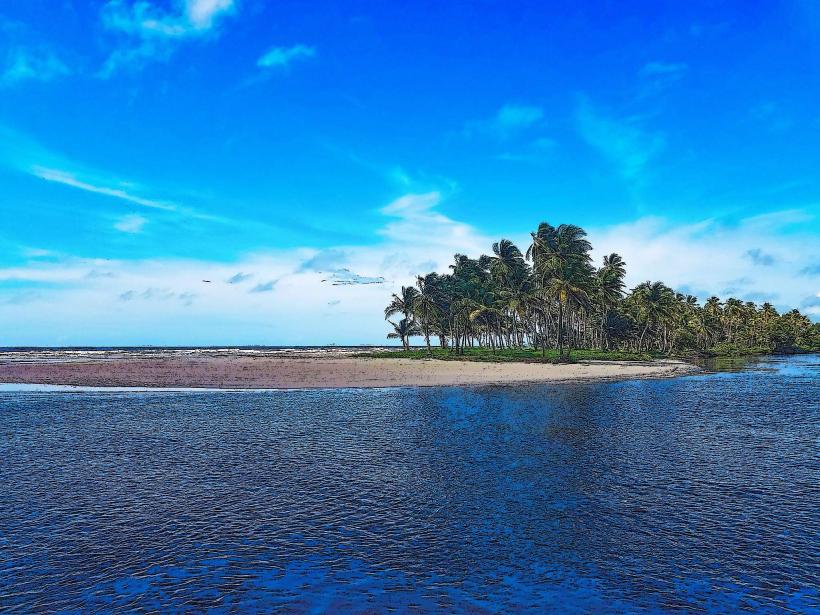
Landmark: Manzanilla BeachCity: Mayaro
Country: Trinidad and Tobago
Continent: North America
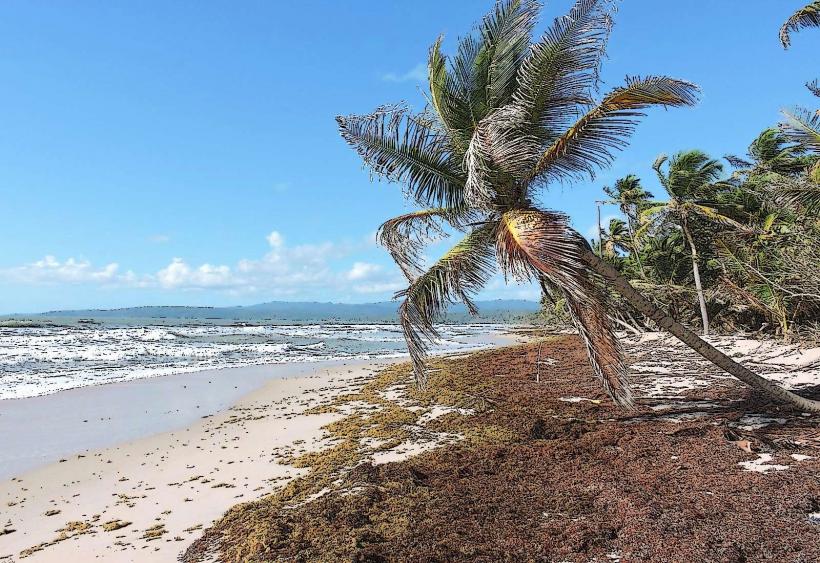
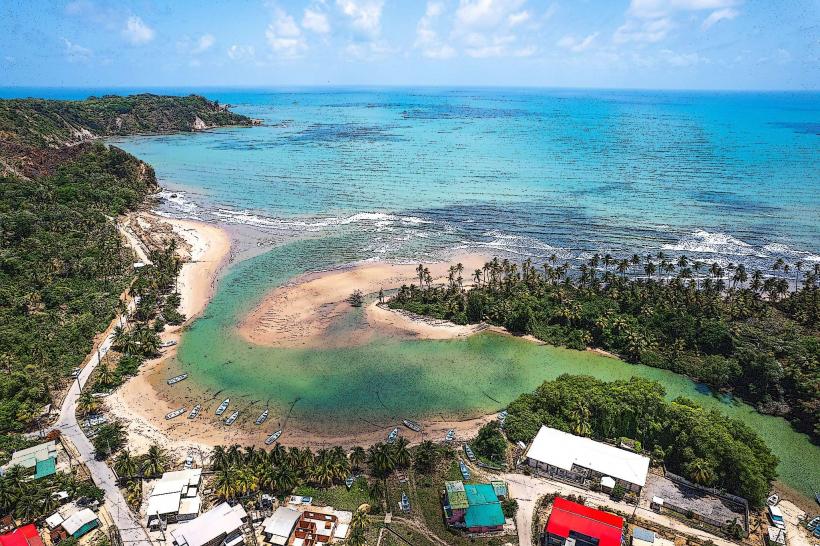
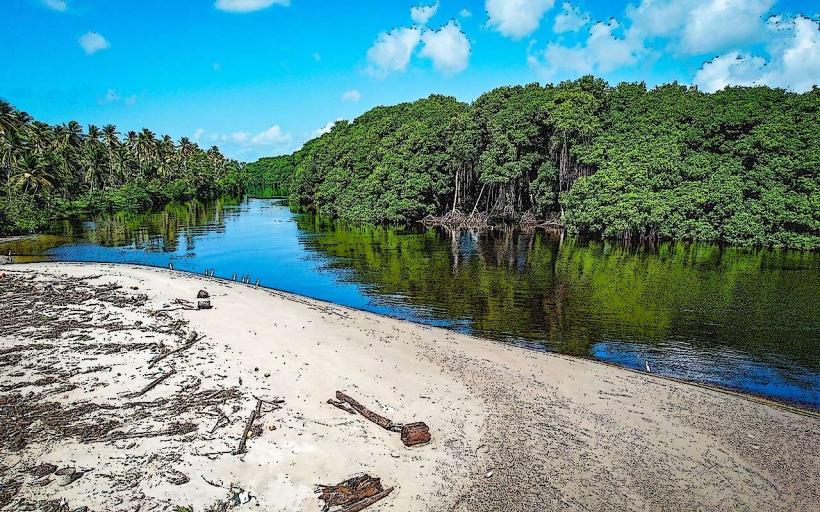
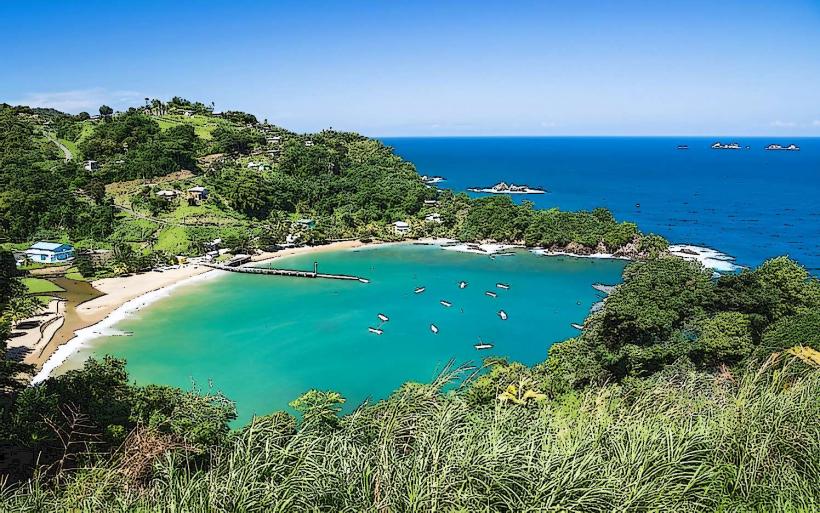
Manzanilla Beach, Mayaro, Trinidad and Tobago, North America
Palo Verde National Park is a protected area situated in the Guanacaste province of Costa Rica, primarily encompassing wetlands and tropical dry forest.
Visual Characteristics
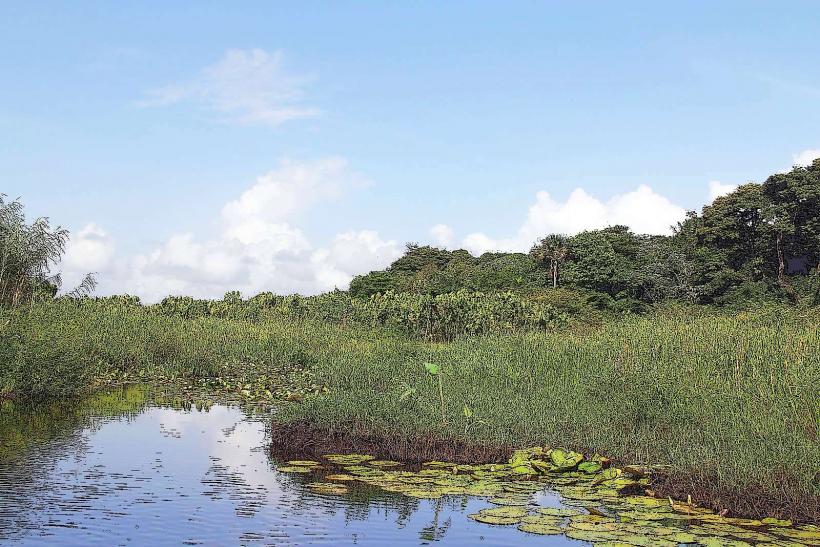
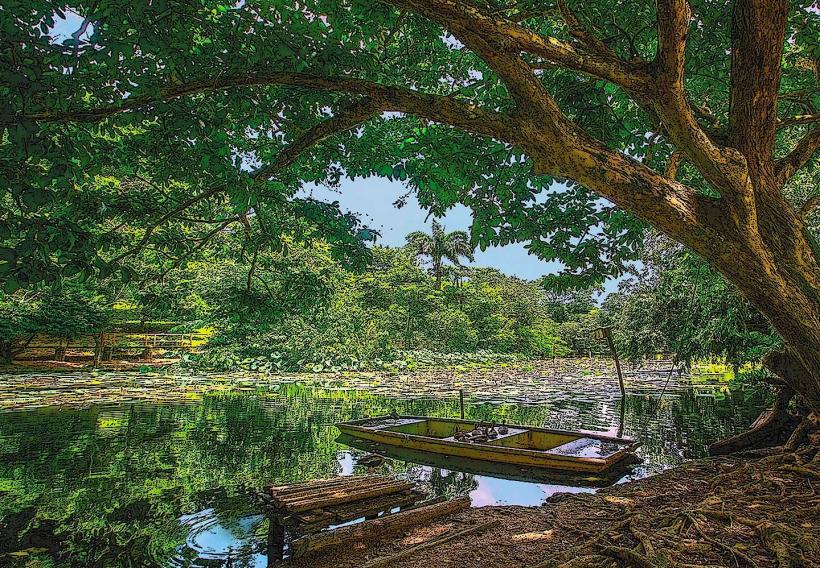
The park's landscape is dominated by the Tempisque River and its associated wetlands, including marshes and seasonally flooded forests. Vegetation includes dense stands of trees such as Guanacaste, Ceiba, and various palm species. The water bodies range in color from muddy brown to a clearer green depending on rainfall and sediment levels. Birdlife is abundant, with numerous species visible in the trees and water.
Location & Access Logistics
Palo Verde National Park is located approximately 40 kilometers west of Bagaces. Access is primarily via Route 1 (Inter-American Highway) heading north from Bagaces, then turning west onto a secondary road towards the park entrance. The final approach involves unpaved roads that can become difficult to navigate during the rainy season. Limited parking is available at the park's main entrance and ranger station. Public transport options are scarce; a private vehicle is recommended. Boat tours on the Tempisque River are a common method of accessing interior areas of the park.
Historical & Ecological Origin
Palo Verde National Park was established in 1990 to protect one of the most important wetland ecosystems in Central America. Ecologically, it is classified as a tropical dry forest and wetland complex, crucial for migratory birds and resident wildlife. The wetlands are a result of the natural flooding patterns of the Tempisque River and the surrounding low-lying terrain.
Key Highlights & Activities
Boat tours along the Tempisque River offer opportunities to observe crocodiles, monkeys, and a wide variety of bird species, including herons, egrets, and storks. Hiking is possible on designated trails, such as the Palo Verde Trail and the Guayacan Trail, which traverse different forest types. Birdwatching is a primary activity, with specific viewing platforms available. Photography of wildlife and landscapes is also a significant draw.
Infrastructure & Amenities
Basic facilities are available at the park's entrance, including a ranger station and restrooms. Shade is provided by the forest canopy in many areas. Cell phone signal can be intermittent within the park. Food vendors are not typically found within the park boundaries; visitors should bring their own provisions. Lodging and restaurants are available in nearby towns like Bagaces and Puerto Humo.
Best Time to Visit
The dry season, from December to April, is generally considered the best time to visit. During this period, water levels in the wetlands recede, concentrating wildlife and making observation easier. The best time of day for wildlife viewing and photography is typically early morning and late afternoon when animals are most active and lighting conditions are favorable. High tide is not a specific requirement for most activities, but water levels influence wildlife distribution.
Facts & Legends
Palo Verde is a significant stopover point for migratory birds traveling along the Pacific Flyway. A specific tip for visitors is to be aware of the seasonal changes in road conditions; the unpaved access roads can become impassable for standard vehicles after heavy rainfall.
Nearby Landmarks
- Rincón de la Vieja National Park (30km Northeast)
- Ostional Wildlife Refuge (45km West)
- Guanacaste Conservation Area (various locations within 50km radius)
- La Sirena Biological Station (within Corcovado National Park, approximately 150km South, accessible by boat/flight)
- Playa Tamarindo (55km Southwest)