Information
Landmark: Marubi National Museum of PhotographyCity: Shkoder
Country: Albania
Continent: Europe
Marubi National Museum of Photography, Shkoder, Albania, Europe
The Marubi National Museum of Photography is Albania’s premier photographic archive and museum, located in the historic center of Shkodër. It houses a collection of over 500,000 negatives documenting Albanian life, politics, and culture from the mid-19th century to the late 20th century.
Visual Characteristics
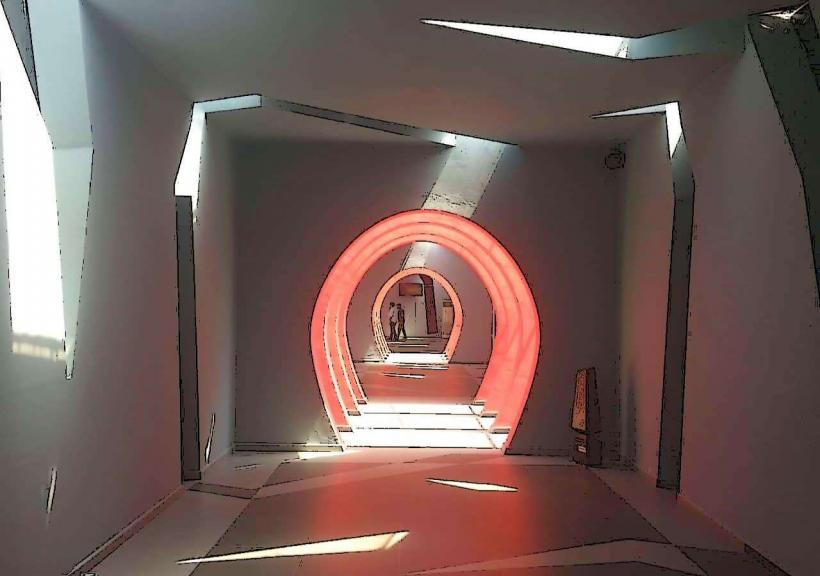
The museum is housed in a two-story building redesigned by architect Casanova Hernandez, featuring a minimalist white interior integrated into a historic shell. The facade is characterized by a modern glass entrance and an internal courtyard with a vertical "shutter" aesthetic. Inside, the galleries utilize digital displays alongside traditional prints, with controlled lighting to protect the glass plate negatives and celluloid films.
Location & Access Logistics
The museum is situated at Rruga Kole Idromeno 32, the city’s primary pedestrian promenade. It is a 5-minute walk from the central Democracy Square (Sheshi Demokracia). As the street is pedestrian-only, motorists must park in the public lots near the intersection of Rruga Teuta or near the Ebu Beker Mosque. Frequent intercity buses from Tirana stop 0.6km from the museum entrance.
Historical & Ecological Origin
The collection was founded in 1856 by Pietro Marubbi, an Italian immigrant who opened the first photographic studio in Albania. The archive was nationalized during the communist era in 1970 and was officially inaugurated as a modern national museum in 2016. The building sits on the stable urban ground of Shkodër’s old merchant quarter.
Key Highlights & Activities
Visitors can explore the permanent collection featuring the first photograph ever taken in Albania (1858) and portraits of high-ranking Ottoman officials, highland tribes, and royal families. The museum features an interactive digital archive where researchers can browse the database. Temporary exhibitions of contemporary Balkan photography are held on the second floor.
Infrastructure & Amenities
The facility includes a ticket counter, a specialized bookstore, and climate-controlled restrooms. The building is fully wheelchair accessible with modern elevators. 5G cellular coverage is excellent throughout the premises. While there is no café on-site, dozens of restaurants and coffee shops are located within 0.05km on the Kole Idromeno street.
Best Time to Visit
The museum is open Tuesday through Sunday, typically from 09:00 to 17:00. Morning visits are ideal to avoid the afternoon pedestrian crowds on the main street. The lighting inside the galleries is artificial and consistent, making it a suitable visit regardless of external weather conditions.
Facts & Legends
The Marubi dynasty spanned three generations-Pietro, Kel, and Gegë-each passing the studio and secret chemical formulas for developing plates to their successors. A historical oddity is that during the transition to communism, the family chose to donate the entire archive to the state to ensure its preservation, effectively saving thousands of glass plates that would otherwise have been destroyed or lost.
Nearby Landmarks
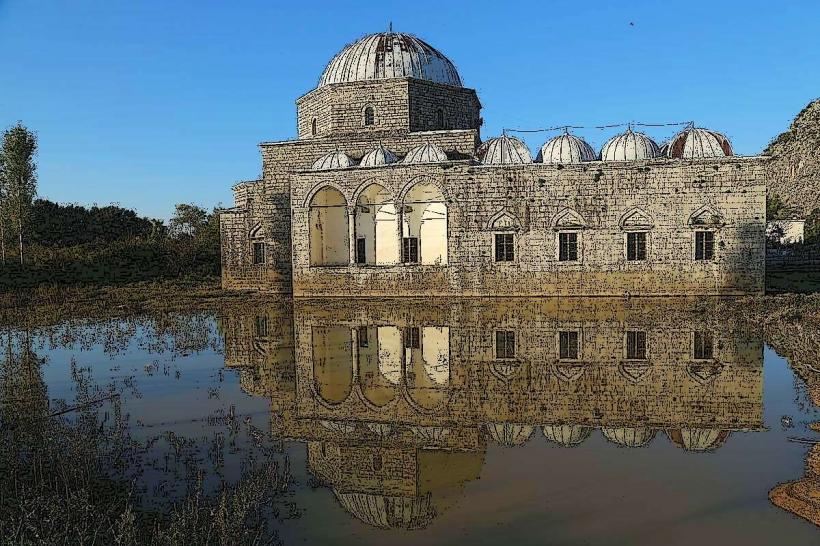
Kole Idromeno Pedestrian Street: 0.01km North
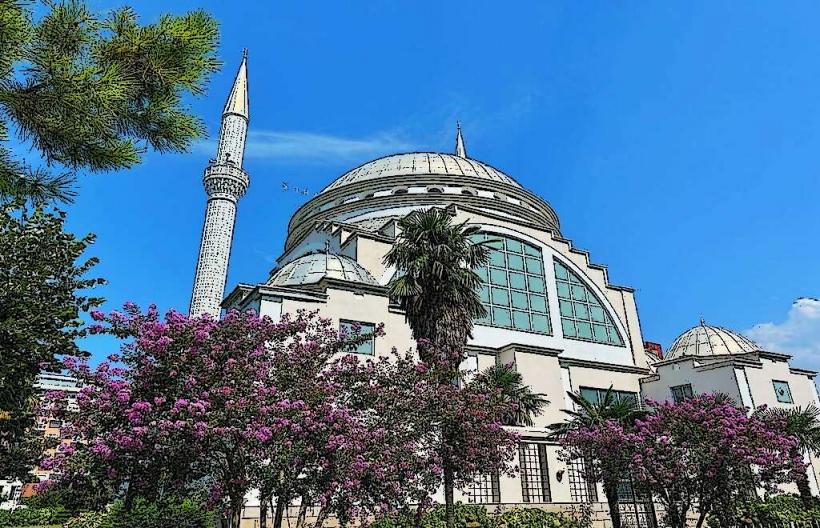
Ebu Beker Mosque: 0.2km West
Shkoder-cathedral_shkoder" class="underline">Shkodër Cathedral: 0.4km East
Historical Museum of Shkodër: 0.6km North
Rozafa Castle: 3.5km Southwest