Information
Landmark: Thethi National ParkCity: Shkoder
Country: Albania
Continent: Europe
Thethi National Park, Shkoder, Albania, Europe
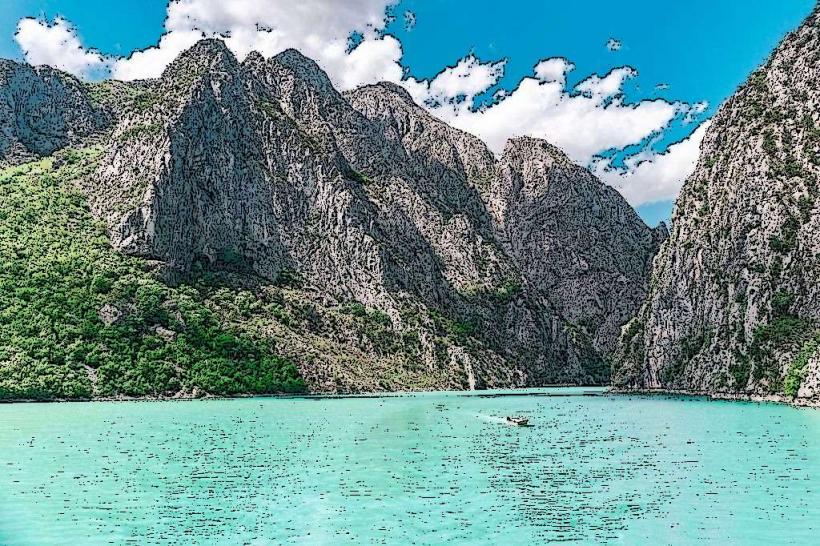
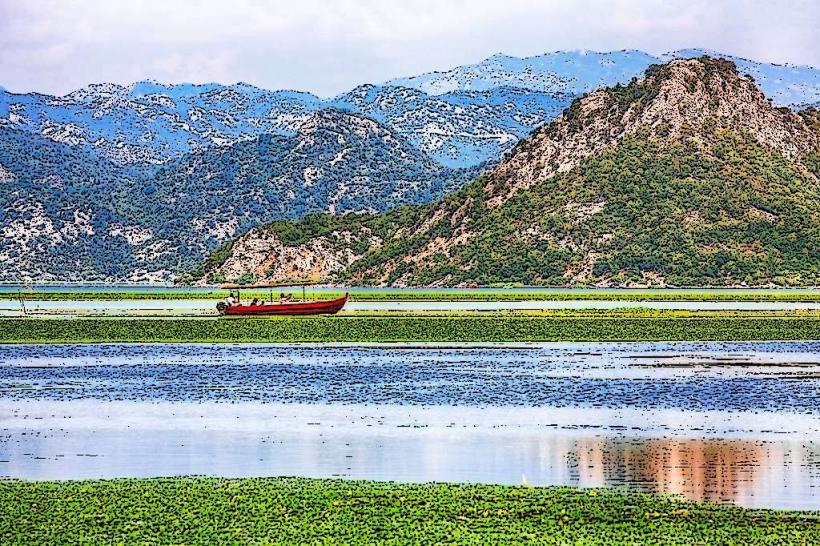
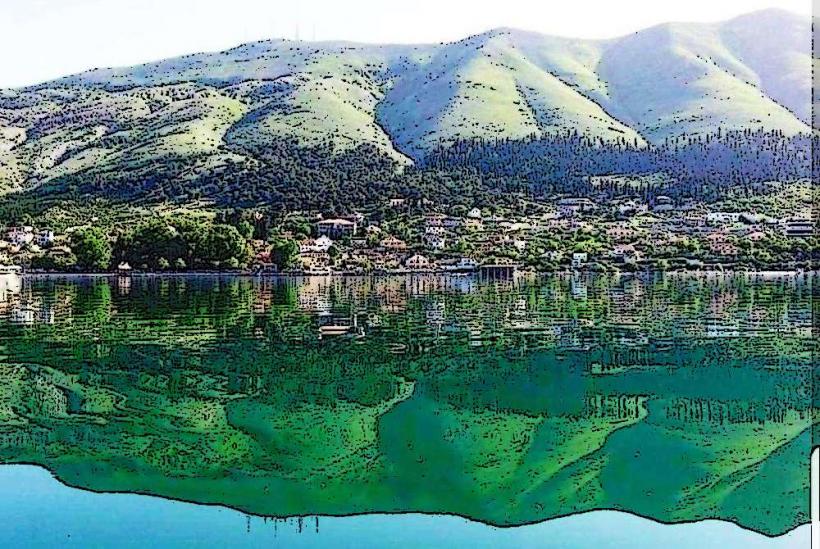
Theth National Park (Parku Kombëtar i Thethit) is a high-altitude protected area in the Shkodër District, situated in the center of the Albanian Alps (Prokletije). It encompasses 2,630 hectares of rugged alpine terrain, defined by the Theth River valley and the surrounding "Accursed Mountains" peaks.
Visual Characteristics
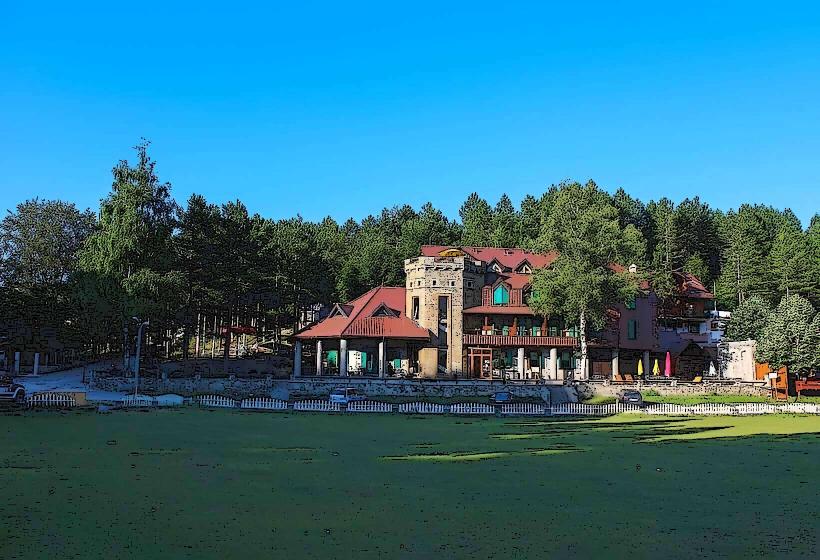
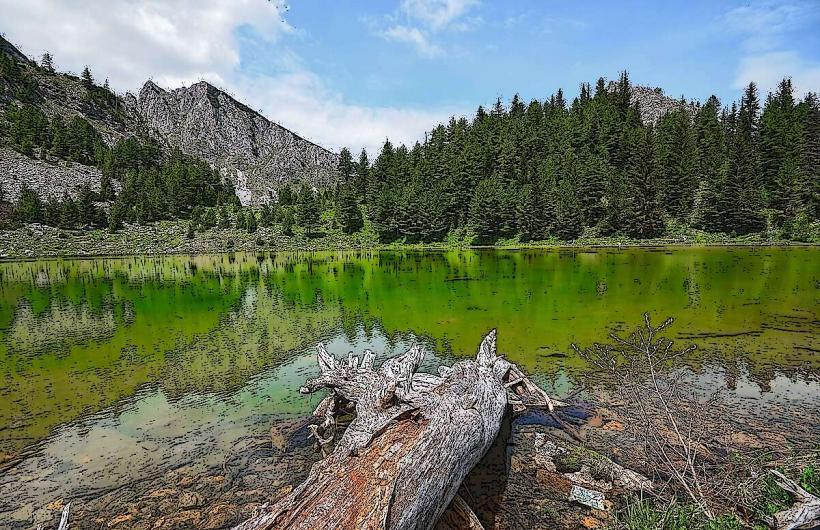
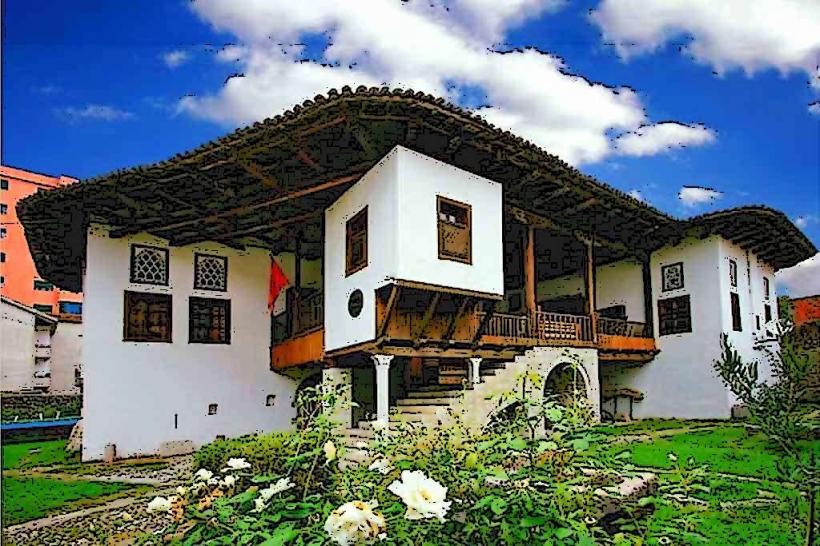
The park features a classic U-shaped glacial valley floor at approximately 750 meters, surrounded by limestone massifs rising above 2,500 meters, including Maja e Arapit and Maja e Jezercës. The landscape is characterized by dense beech forests, high-transparency karst springs, and vertical rock faces. Traditional architecture consists of kulla (stone towers) with high-pitched wooden roofs designed for heavy snow.
Location & Access Logistics
Access is via the SH21 road from Shkodër.
Transit: The road is fully paved from Shkodër to the village center, including the 1,685m Qafa e Thores pass. The drive takes approximately 2 to 2.5 hours.
Public Transport: Daily minibuses (furgons) depart Shkodër around 07:00.
Winter Access: The road is often blocked by snow at the pass from December to April, making the village inaccessible by standard vehicles.
Historical & Ecological Origin
Theth was declared a National Park in 1966. It is the ethnographic heart of the Dukagjin region, governed for centuries by the Kanun (customary law). Ecologically, the park is a primary habitat for the brown bear, lynx, and gray wolf. The geology is predominantly Triassic limestone, leading to extensive cave systems and subterranean water flows.
Key Highlights & Activities
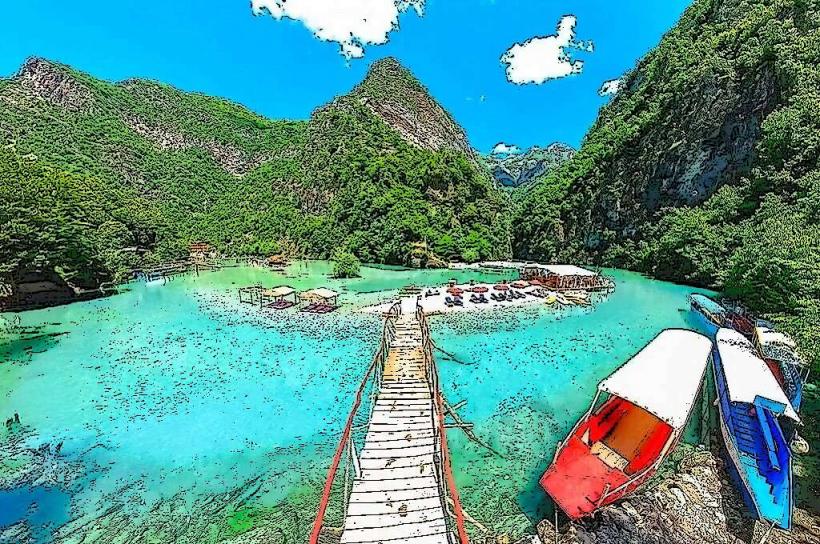
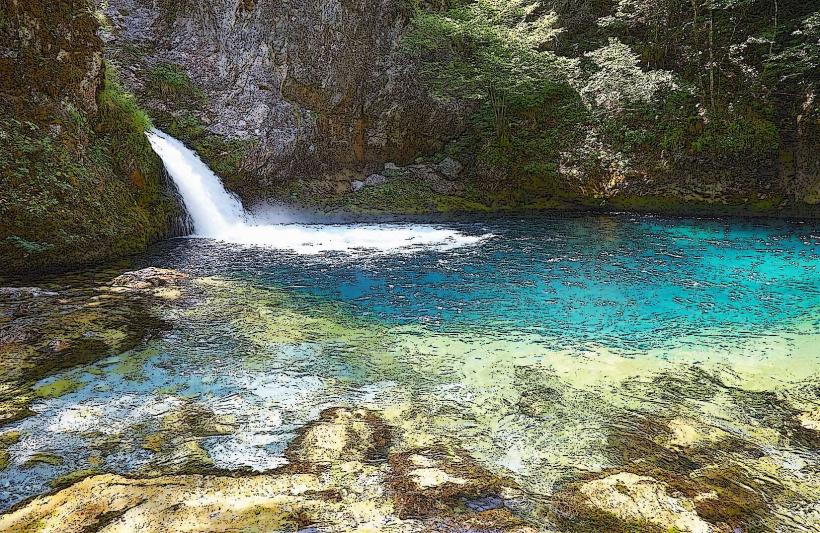
The Blue Eye (Syri i Kaltër): A deep karst spring with vibrant blue water located near the village of Kapre.
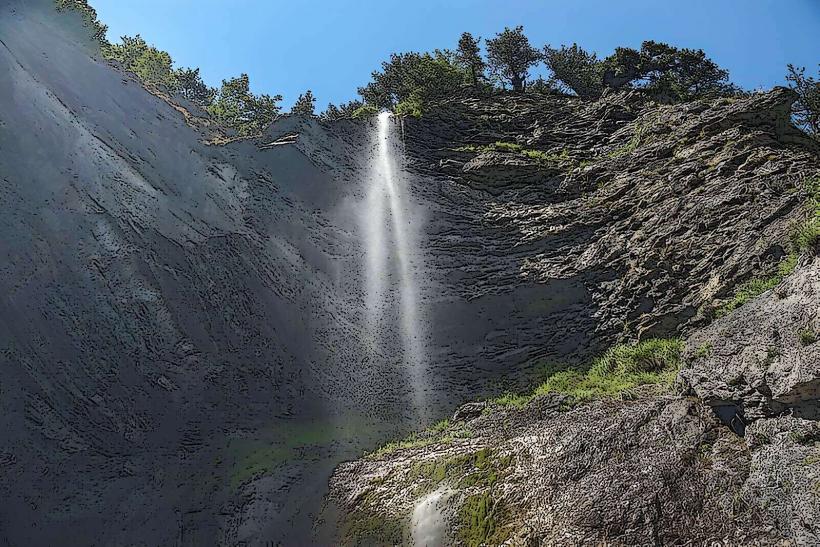
Grunas Waterfall: A 30-meter-high cascade located a 30-minute walk from the village center.
The Lock-in Tower (Kulla e Ngujimit): A preserved stone tower historically used to protect men involved in blood feuds.
Valbona Pass Hiking: The 17km trail connecting Theth to Valbona is the region's most famous trek (6–8 hours).
Infrastructure & Amenities
The village has a high density of stone guesthouses providing lodging and traditional mountain cuisine.
Services: There are small cafes and basic markets, but no ATMs or pharmacies.
Connectivity: 4G/5G cellular signal is reliable in the valley center but disappears on the high trails.
Utilities: Grid electricity is available, though often supplemented by generators during storms.
Best Time to Visit
The optimal window is from June to September when all high-altitude passes are clear of snow. May and October offer cooler temperatures and fewer crowds, but the Blue Eye trail may be muddy. For photography, the morning light illuminates the Grunas Canyon, while the late afternoon provides a clear silhouette of Maja e Arapit.
Facts & Legends
A verified historical oddity is the Theth Church, built in 1892, which remains the visual center of the valley. Local legend states the name "Accursed Mountains" was given by two brothers who killed each other over a woman, leading their mother to curse the peaks. A specific tip: the water in the Blue Eye spring rarely exceeds 5°C, making it unsuitable for prolonged swimming.
Nearby Landmarks
Grunas Canyon: 1.5km South
Qafa e Valbonës: 7.0km East
Maja e Jezercës: 8.5km Northeast
Theth River: 0.1km West (valley floor)
Stone Groves of Nderlysaj: 5.0km South