Information
Landmark: Mbombela StadiumCity: Nelspruit
Country: South Africa
Continent: Africa
Mbombela Stadium, Nelspruit, South Africa, Africa
Got it. I’ll keep responses text-only and without sources or images from now on. Here's the detailed info on Mbombela Stadium:
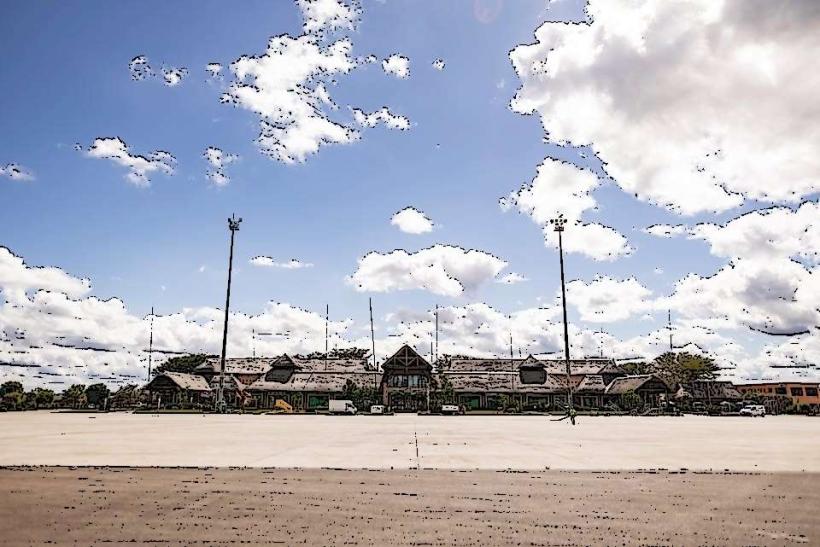
Mbombela Stadium is a major multi-purpose sports venue located just outside the city of Mbombela (formerly Nelspruit), in Mpumalanga Province, South Africa. It is especially known for its unique design, modern architecture, and its role in hosting global sporting events.
Overview and Construction:
The stadium was built for the 2010 FIFA World Cup and officially opened in October 2009.
Construction began in early 2007 and was completed in under three years.
It has a seating capacity of approximately 43,500 and was designed to accommodate both football and rugby events.
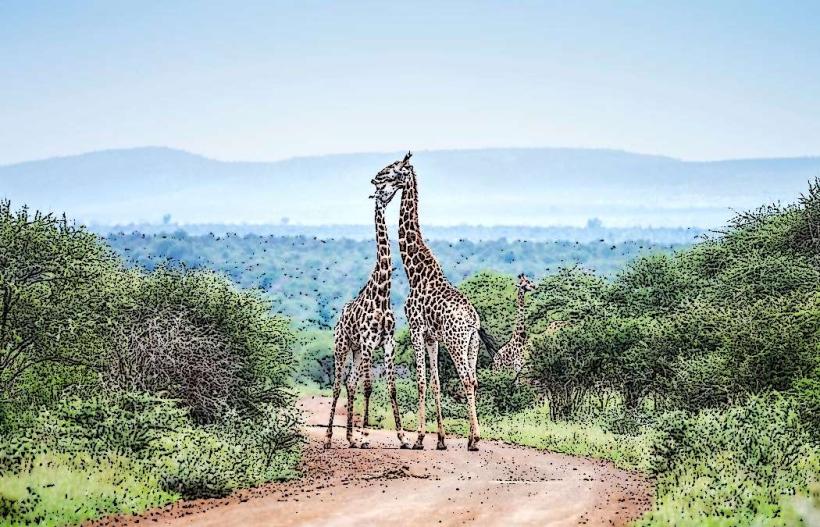
The architectural design was inspired by the wildlife of the nearby Kruger National Park. The most recognizable feature is the 18 roof supports shaped like giraffes. The seating is patterned in black and white to resemble zebra stripes, creating a distinct African character.
Location:
Mbombela Stadium is about 6 kilometers west of the Mbombela city center.
It lies roughly 40 kilometers from the southern entrance to Kruger National Park, making it a strategic venue for both locals and tourists.
Design Features:
The stadium is built with three tiers of seating: a lower bowl, a small middle tier, and an upper tier, allowing excellent visibility from all seats.
A cantilevered roof provides coverage for almost all spectators, without obstructing views.
Accessibility is a priority: the stadium has wide ramps, accessible seating, and adequate signage to manage large crowds.
It is equipped with modern facilities, including locker rooms, press areas, hospitality suites, and VIP boxes.
Usage:
The stadium was one of the venues for the 2010 FIFA World Cup, hosting four group-stage matches.
It was also used during the 2013 Africa Cup of Nations for several matches including knockout rounds.
Today, Mbombela Stadium serves as the home ground for:
Pumas Rugby Team, competing in South Africa’s Currie Cup.
TS Galaxy Football Club, which plays in the South African Premier Division.
The venue is regularly used for local and national sports events, music concerts, community events, and private functions.
Practical Info:
The stadium has ample parking and transport access points to accommodate large events.
On non-event days, the facility is often used for guided tours, training sessions, or private bookings.
It is managed professionally with staff handling operations, events, bookings, and technical maintenance.
Mbombela Stadium stands as a symbol of modern infrastructure in the region, offering not only a space for sports but also acting as a cultural and tourism hub due to its proximity to one of Africa’s most iconic wildlife parks.