Information
Landmark: Mitaki-dera TempleCity: Hiroshima
Country: Japan
Continent: Asia
Mitaki-dera Temple, Hiroshima, Japan, Asia
Overview
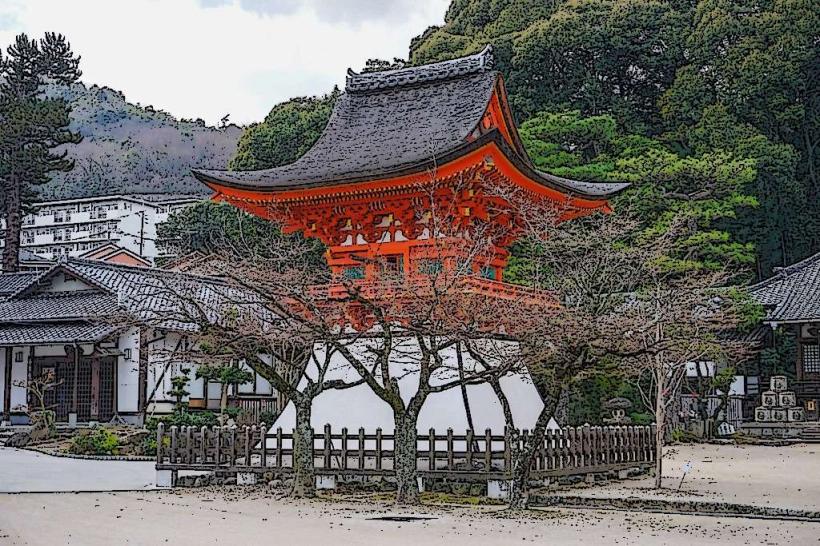
Mitaki-dera Temple (三滝寺) sits in Hiroshima’s western hills, where the sound of waterfalls drifts through its quiet grounds, at the same time tucked among whispering pines, the temple is known for its peaceful atmosphere, its rich history, and the beauty of the wild landscape around it.“Mitaki” means “three waterfalls,” a nod to the cool, clear streams spilling through the temple grounds-one of its most loved sights, for the most part Believe it or not, Mitaki-dera is best known for its calm, almost hushed air, drawing nature lovers and anyone craving a quiet region to pause amid the rustle of leaves, in turn first.Mitaki-dera Temple traces its origins to 809 CE, when the Buddhist monk Kōbō Daishi-founder of the Shingon sect-established it during the Heian period, amid cedar-scented hills, also legend has it Kōbō Daishi built the temple to honor Buddha and give locals a quiet area to pray, their incense curling into the still morning air.The temple belongs to Shingon Buddhism, a major esoteric tradition in Japan known for its intricate rituals and the scent of burning incense, consequently shingon teachings center on rituals, mantras, and meditation to foster spiritual growth, and you can feel it in Mitaki-dera’s quiet incense-filled halls and the rhythm of its daily practices.Construction and Reconstruction: Like many temples, Mitaki-dera has been rebuilt and restored many times over the centuries, its wooden beams replaced again and again as the years wore them down, consequently the temple’s main hall, or hondo, along with its other buildings, has been rebuilt many times-often after earthquakes shook its walls or battles left them in ruins.Number two, what’s more mitaki-Japanese for “three waterfalls”-takes its name from the trio of cascades that tumble through the temple grounds, their cool spray drifting into the quiet air.The Mitaki-no-taki waterfalls are one of the temple’s highlights, their steady rush adding a cool, misty calm that deepens the site’s quiet, spiritual air, also at Mitaki-dera, the rush of falling water blends with deep green moss and trees, creating a tranquil spot for quiet reflection and meditation.If I’m being honest, Main Hall (Hondo): Inside the hondo, you’ll find a statue of Amida Buddha, gleaming softly in the light, the revered heart of Pure Land Buddhism, likewise the hall serves as the heart of the temple, where prayers rise and ceremonies unfold beneath the scent of burning incense.Mitaki-dera is also famed for its Kannon statues, each one portraying the Bodhisattva of Compassion-faces carved with calm, half-closed eyes, equally important dozens of statues stand tucked among the temple’s paths and gardens, their weathered stone faces deepening the spot’s quiet, spiritual air, not entirely Belfry (Shōrō): The temple’s belfry holds a massive bronze bell that echoes through the grounds during rituals, as a result people strike the bell to signal fundamental moments in religious ceremonies, and sometimes to welcome a recent season-its deep tone rolling through the air like a measured wave.Cemetery and Memorials: At Mitaki-dera, a quiet hillside cemetery holds the graves of many local residents, besides you’ll also spot memorials honoring renowned figures and the monks of long ago who shaped the temple’s legacy, their names etched in cool, weathered stone.Three, simultaneously tucked deep in a lush, green forest, the temple invites visitors to breathe in the fresh pine-scented air and wander along winding hiking trails.Actually, The Mitaki mountains wrap around the temple, drawing visitors for quiet walks and measured, meditative strolls beneath the rustling pines, subsequently visitors can soak in the scenery, from the fiery reds of autumn leaves crunching underfoot to the delicate pink cherry blossoms drifting through the spring air.Perched on the slopes of the Mitaki Mountains, Mitaki-dera feels tucked away from the city’s clamor, where only the wind in the pines disturbs the stillness, in addition waterfalls tumble into clear pools, framed by lush greenery and rugged peaks, creating a site so calm you can almost hear the silence-a perfect getaway for anyone needing a break from the city.Number four, in conjunction with mitaki-dera draws pilgrims of the Shingon tradition and travelers looking for a fresh start, its moss-covered steps carrying the scent of rain and incense, generally It’s one stop on the Saigoku Kannon Pilgrimage, a centuries-antique route winding through 33 Buddhist temples devoted to the Bodhisattva Kannon across western Japan, where incense drifts in the quiet air, in conjunction with crowds arrive to pray and ask for blessings, often hoping for good health or a kinder heart.At Mitaki-dera, monks and visitors gather year-round for Buddhist ceremonies, from quiet spring rituals to lively autumn festivals scented with incense, alternatively the temple bustles with visitors during Obon, the Buddhist festival that honors ancestral spirits, when lanterns glow softly in the warm night air.Zen and Meditation: At Mitaki-dera, the quiet air and the soft rustle of leaves create a peaceful setting that’s perfect for meditation and spiritual practice, moreover the temple draws people who want to dive into the heart of Zen Buddhism or sit in quiet meditation while a breeze stirs the pine trees.You know, Number five stands out, bold as a black mark on the page, besides what draws most people to Mitaki-dera is its quiet, almost hushed atmosphere, where you can hear the faint trickle of water and feel a deep connection to both nature and the sacred.With lush greenery all around, the gentle rush of waterfalls in your ears, and a quiet, almost sacred air, it’s the kind of region that makes you pause and breathe, at the same time access and Facilities: You can reach Mitaki-dera in about 30 minutes by car from downtown Hiroshima, or take a bus from Hiroshima Station and be there in roughly 45 minutes, passing quiet streets lined with cedar trees along the way, more or less The temple grounds stay open year-round, free to all, though a modest donation-maybe the cost of a cup of tea-helps keep the destination cared for, consequently seasonal Beauty: At Mitaki-dera, spring brings a cloud of cherry blossoms, while each season offers its own unique charm.Come spring, the cherry trees around the temple burst into pale pink blooms, drifting petals onto the stone path, besides in autumn, the trees blaze with red and gold, setting off the waterfalls and temple so they seem to glow even in the cool air.Photographers flock to the temple in these seasons, drawn by the golden light spilling across its stone steps, and visitors often wander the grounds, pausing to meditate by the rush of the waterfalls or to sit quietly and reflect in the still, gentle air.Not surprisingly, It's a area that invites quiet contemplation, making it a special spot for those seeking a more reflective or spiritual experience, likewise number six.In conclusion, Mitaki-dera Temple sits quietly in the green hills of Hiroshima, a locale of striking beauty and deep Buddhist history, furthermore with its three cascading waterfalls, shady green forest, and quiet air, this spot invites visitors to connect with nature, meditate, or just take in the serene beauty of the temple and the land around it, generally Steeped in centuries of history, rich with spiritual meaning, and framed by mossy waterfalls, Mitaki-dera is a must-visit for anyone delving into Hiroshima’s cultural and sacred heart.
Author: Tourist Landmarks
Date: 2025-09-16