Information
Landmark: Monongalia County BallparkCity: Morgantown
Country: USA West Virginia
Continent: North America
Monongalia County Ballpark, Morgantown, USA West Virginia, North America
Monongalia County Ballpark is a baseball stadium located in Morgantown, West Virginia. It serves as the home field for the West Virginia University Mountaineers baseball team and the West Virginia Black Bears minor league baseball team.
Visual Characteristics
The ballpark features a seating capacity of approximately 3,500, including 2,500 fixed seats and standing room for an additional 1,000. The outfield wall is constructed of brick and concrete. The playing surface is natural grass with a dirt infield. The stadium's exterior is primarily brick and metal, designed to complement the surrounding environment.
Location & Access Logistics
Monongalia County Ballpark is situated at 2460 John St, Morgantown, WV 26505. It is approximately 4.8 kilometers (3 miles) east of downtown Morgantown. Access is via University Drive, which connects to Interstate 79 (Exit 155) and Interstate 68. Ample parking is available in designated lots surrounding the stadium. Public transport options include the Mountain Line Transit Authority bus service, with routes serving the stadium area.
Historical & Ecological Origin
Construction of Monongalia County Ballpark was completed in 2015. The project was a collaboration between Monongalia County, the City of Morgantown, and West Virginia University. Its original purpose was to provide a modern, dedicated facility for collegiate and professional baseball in the region.
Key Highlights & Activities
Activities include attending West Virginia Mountaineers baseball games and West Virginia Black Bears games. The stadium hosts various community events and concerts throughout the year. Fans can participate in on-field promotions during games.
Infrastructure & Amenities
Restrooms are available throughout the concourse. Shaded seating is provided in select sections. Cell phone signal (4G/5G) is generally reliable within the stadium. Food and beverage vendors operate on the main concourse, offering standard ballpark fare.
Best Time to Visit
Baseball games are typically played from late March through September. Evening games offer cooler temperatures. For photography, the late afternoon light provides optimal illumination on the field.
Facts & Legends
The ballpark's design incorporates elements intended to evoke a classic baseball feel while utilizing modern construction techniques. A unique feature is the integration of local materials in its construction, reflecting the regional landscape.
Nearby Landmarks
- West Virginia University Downtown Campus (1.5km West)
- Morgantown Municipal Airport (4.0km Southeast)
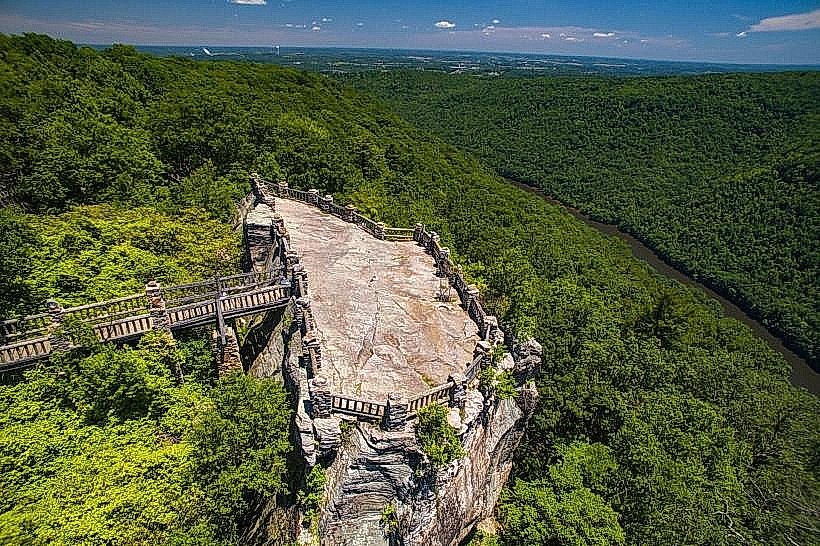
- Coopers Rock State Forest (18.0km East)
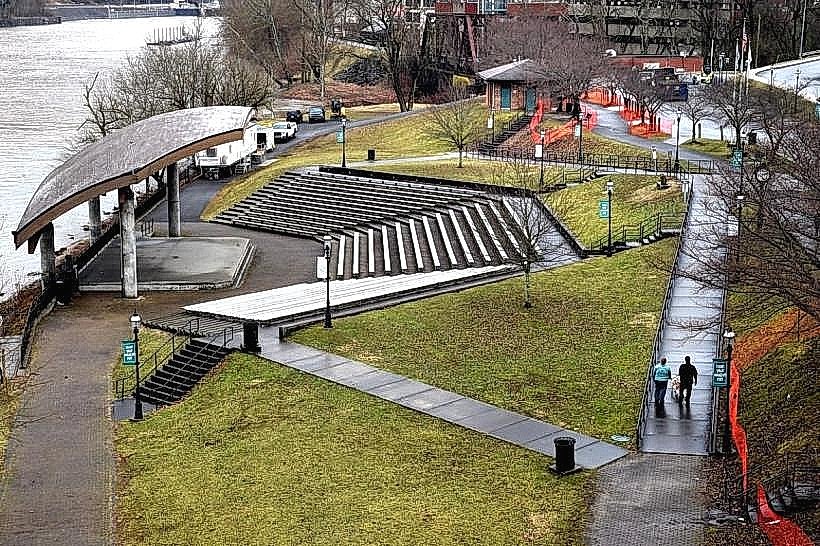
- Hazel Ruby McQuain Riverfront Park (3.5km West)
- Monongalia Arts Center (3.8km West)