Information
Landmark: Mountaineer Field at Milan Puskar StadiumCity: Morgantown
Country: USA West Virginia
Continent: North America
Mountaineer Field at Milan Puskar Stadium, Morgantown, USA West Virginia, North America
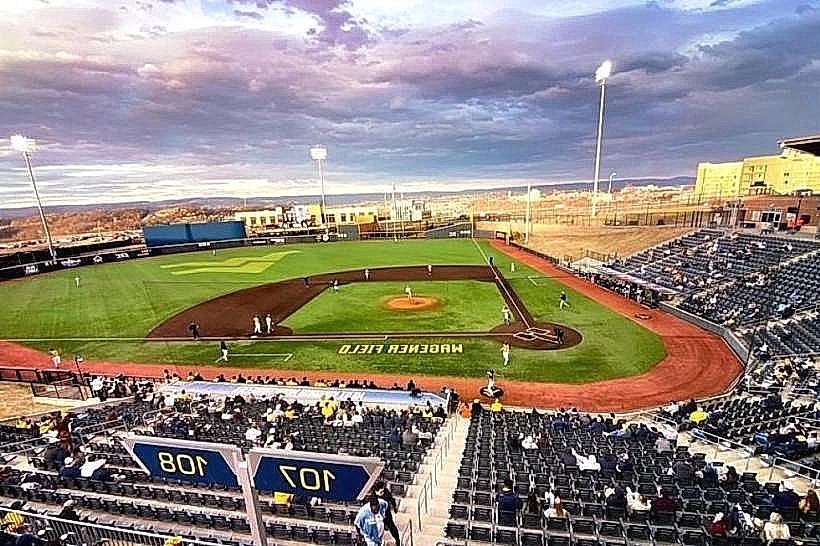
Mountaineer Field at Milan Puskar Stadium is a college football stadium located in Morgantown, West Virginia.
It serves as the home venue for the West Virginia University Mountaineers football team.
Visual Characteristics
The stadium features a horseshoe-shaped seating bowl constructed primarily of concrete. The exterior is clad in brick and stone, reflecting a traditional collegiate architectural aesthetic. The playing field is natural grass. Seating capacity is approximately 60,000.
Location & Access Logistics
Mountaineer Field is situated at 1 Mountaineer Way, Morgantown, WV 26506. It is approximately 1.5 miles (2.4 km) east of downtown Morgantown. Access is via University Drive and Patteson Drive. Ample parking is available in designated lots surrounding the stadium, with fees typically applied on game days. Public transport options include the Mountain Line Transit Authority bus routes that service the stadium area.
Historical & Ecological Origin
The stadium, originally known as Mountaineer Field, was constructed in 1927. It underwent significant renovations and expansions, with the most substantial occurring in 2004, leading to its renaming as Milan Puskar Stadium. The original purpose was to provide a dedicated home for the West Virginia University football program.
Key Highlights & Activities
Attending a West Virginia University football game is the primary activity. Tours of the stadium may be available on non-game days, often including access to the press box and locker rooms. Tailgating is a common pre-game activity in designated areas.
Infrastructure & Amenities
Restrooms are located throughout the stadium. Shade is available in select seating sections, particularly those under upper decks. Cell phone signal (4G/5G) is generally available within the stadium. Food and beverage vendors operate within the concourses during events.
Best Time to Visit
The best time to visit is during the fall football season, typically from September through November. Game days offer the full stadium experience. Mid-afternoon games provide optimal natural light for photography of the stadium's exterior and surrounding landscape.
Facts & Legends
A notable feature is the "Mountaineer" tradition, where a student dressed in buckskins, carrying a rifle and a black powder horn, leads the team onto the field and fires the rifle after each score. The stadium's capacity has fluctuated over its history due to various expansions and renovations.
Nearby Landmarks
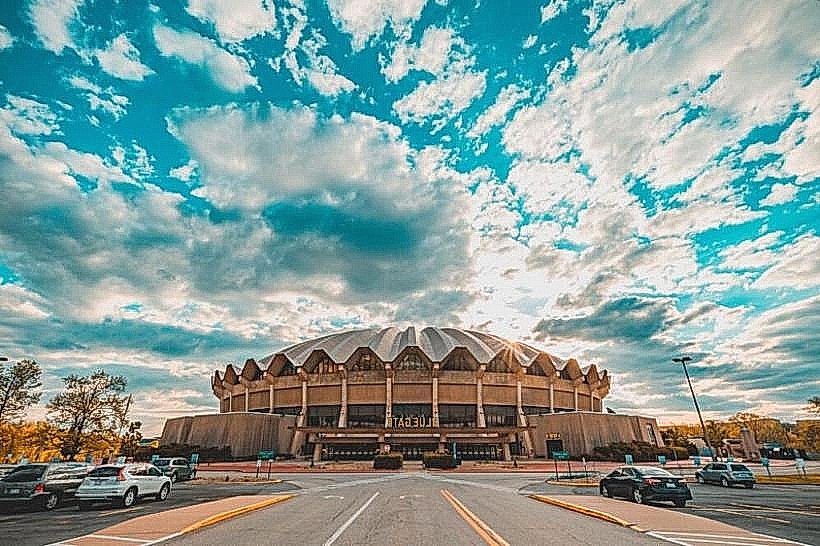
- West Virginia University Coliseum (0.3km West)
- Morgantown Arts Center (1.2km Southwest)
- Monongahela River (1.8km West)
- WVU Downtown Campus (2.0km West)
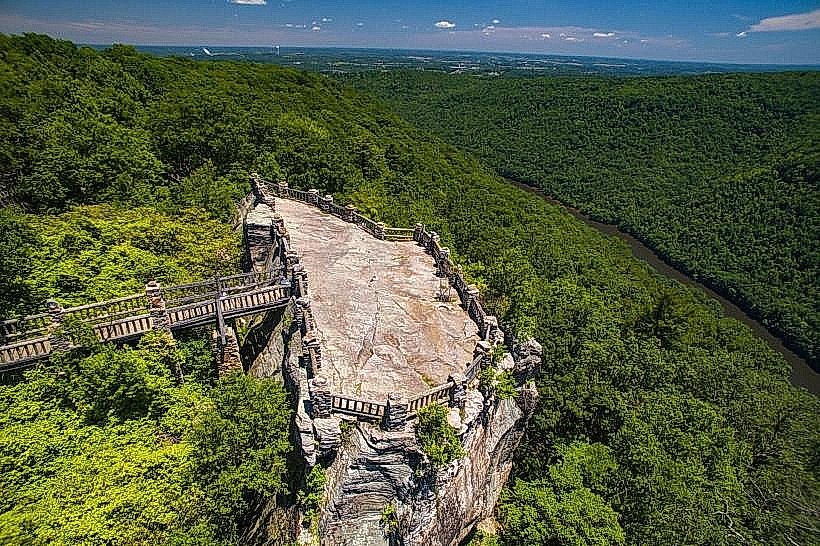
- Coopers Rock State Forest (15km East - outside 5km radius, but significant regional landmark)