Information
Landmark: Pedestrian Bridge over Monongahela RiverCity: Morgantown
Country: USA West Virginia
Continent: North America
Pedestrian Bridge over Monongahela River, Morgantown, USA West Virginia, North America
The Pedestrian Bridge over the Monongahela River is a concrete and steel structure located in Morgantown, West Virginia.
It connects the downtown area to the West Virginia University campus.
Visual Characteristics
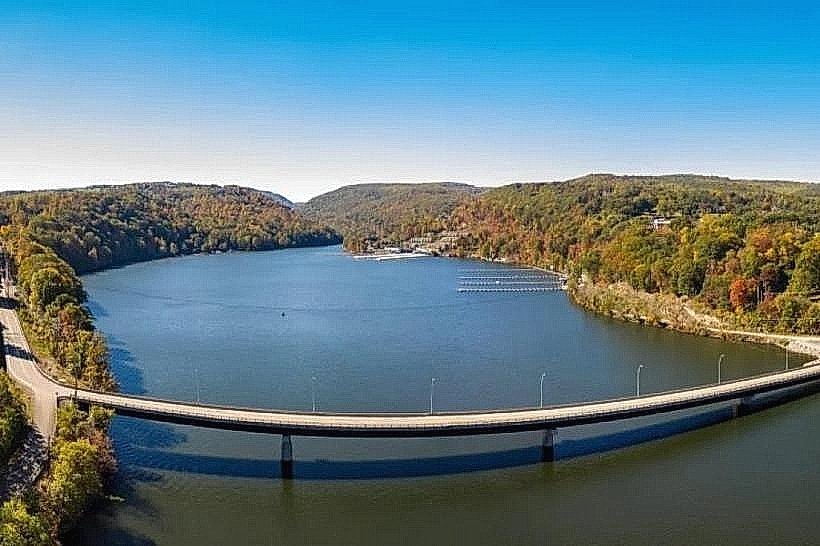
The bridge features a single, reinforced concrete arch spanning the river. The deck is constructed from steel girders and concrete. The total length is approximately 1,000 feet (305 meters). The deck width is 20 feet (6 meters). The arch rises approximately 100 feet (30 meters) above the river surface.
Location & Access Logistics
The bridge is situated directly south of the Morgantown city center. Access from downtown is via University Avenue. From the west side, access is from PattesON Drive. Parking is available in designated lots on both the downtown and university sides, with hourly and daily rates. The Mountain Line Transit Authority bus routes 1 and 2 stop within 0.2 miles of the bridge entrances.
Historical & Ecological Origin
Construction of the bridge commenced in 2005 and was completed in 2008. It was designed by the engineering firm HDR, Inc. The primary purpose was to provide a safe and direct pedestrian and bicycle link between the university and the city, reducing reliance on vehicular traffic and improving campus connectivity.
Key Highlights & Activities
Walking across the bridge offers views of the Monongahela River and the surrounding urban and university landscape. Cycling is permitted. Observation points are located at the apex of the arch, providing panoramic views. Photography is a common activity, particularly during sunrise and sunset.
Infrastructure & Amenities
The bridge is equipped with LED lighting for nighttime illumination. Benches are installed at intervals along the deck. Restrooms are not directly on the bridge but are available in adjacent facilities on both the downtown and university sides. Cell phone signal (4G/5G) is generally strong. No food vendors are located on the bridge itself, but numerous options exist within a 0.5km radius.
Best Time to Visit
For photography, the hours around sunrise (approximately 6:00 AM - 7:30 AM EST) and sunset (approximately 5:00 PM - 6:30 PM EST) offer optimal lighting conditions. Weather is generally most favorable for outdoor use between April and October. No tide considerations apply.
Facts & Legends
During construction, a time capsule containing items representative of Morgantown and West Virginia University life in the early 2000s was sealed within the bridge's foundation. It is scheduled to be opened in 2108.
Nearby Landmarks
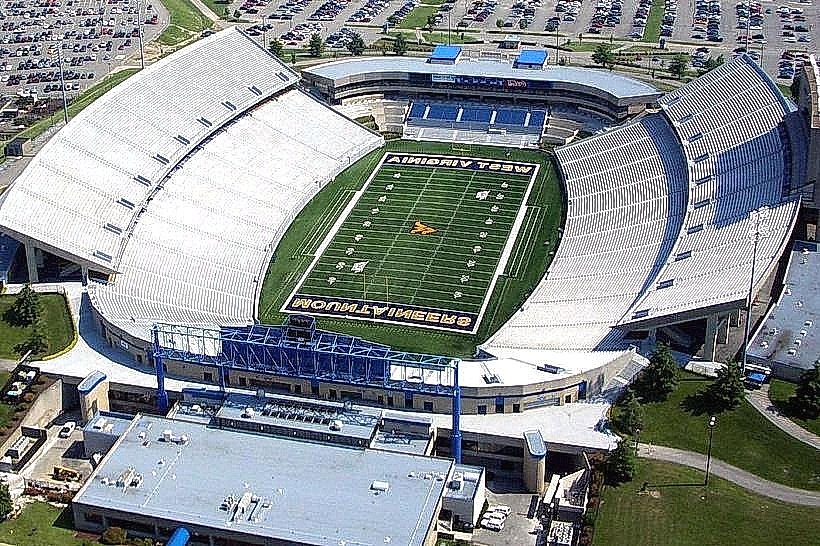
- West Virginia University Coliseum (0.8km Northwest)
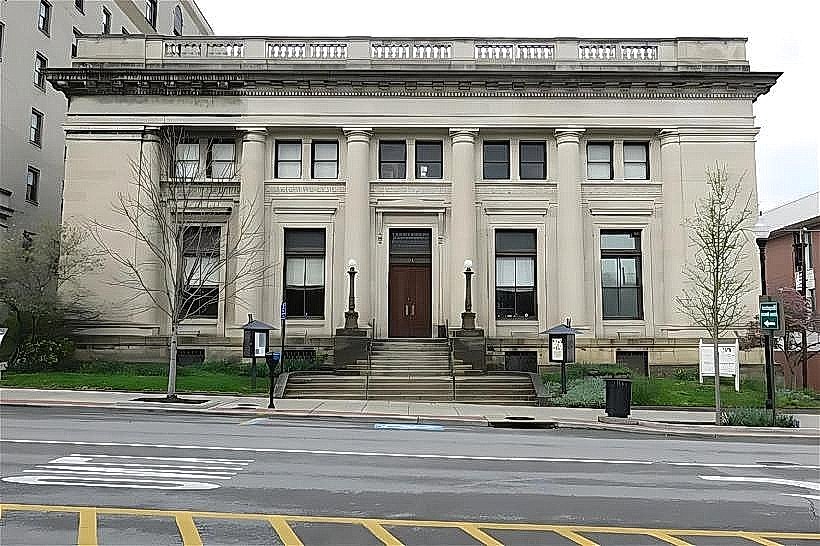
- Morgantown Public Library (0.4km North)
- Monongalia County Courthouse (0.6km North)
- Krebs Hall, West Virginia University (0.3km West)
- Art Museum of West Virginia University (0.7km West)