Information
Landmark: Møntergården MuseumCity: Odense
Country: Denmark
Continent: Europe
Møntergården Museum, Odense, Denmark, Europe
Møntergården Museum is a cultural history museum located in the historic center of Odense, Denmark. It comprises a complex of preserved buildings showcasing urban life and history.
Visual Characteristics
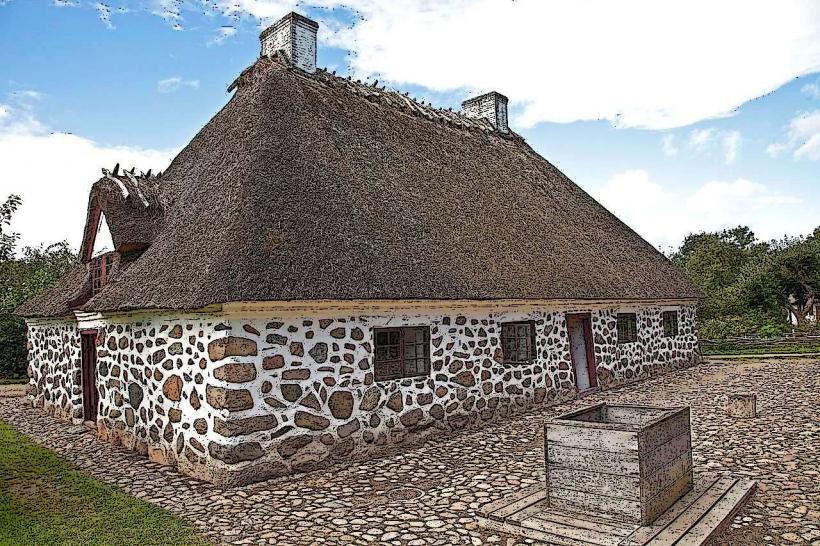
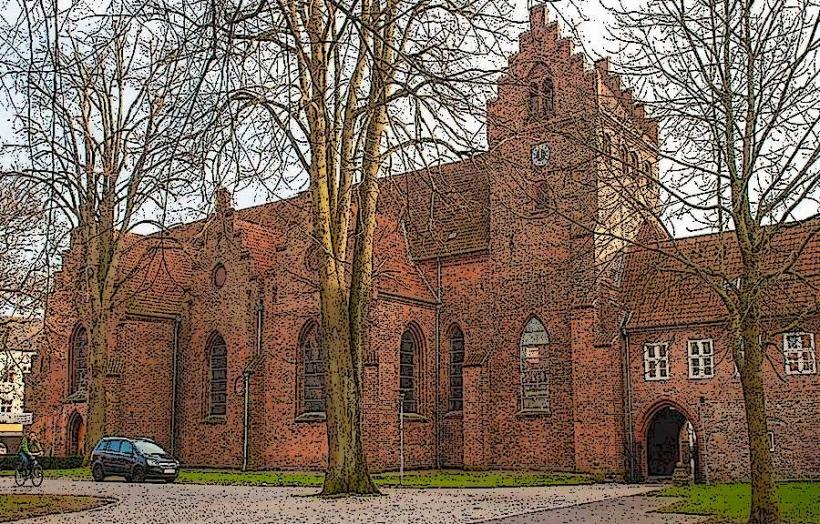
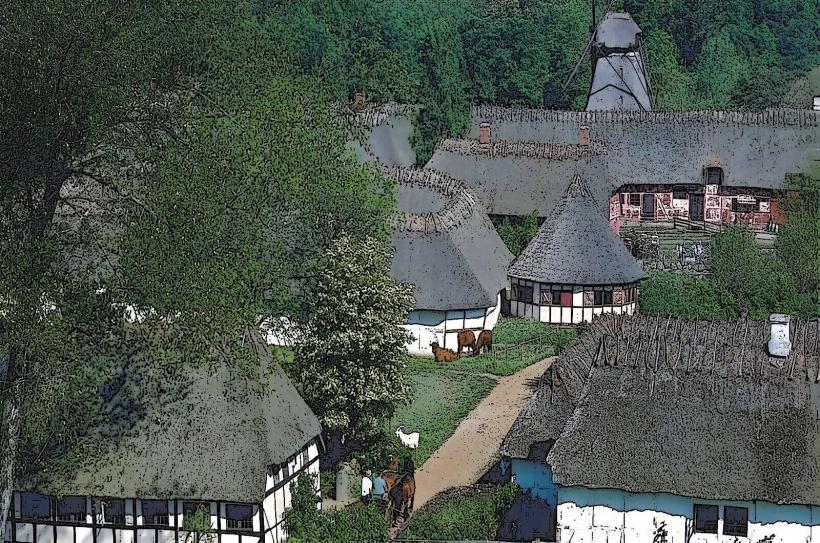
The museum complex consists of several interconnected buildings, primarily featuring traditional Danish urban architecture from the 16th to 19th centuries. Dominant materials include red brick and half-timbered construction with painted timber frames, typically in dark brown or black, contrasting with light-colored infill panels. Roofs are predominantly red tile. The buildings vary in height, generally two to three stories, arranged around cobblestone courtyards. The architectural styles range from late Renaissance to Baroque, reflecting the evolution of Odense's urban fabric.
Location & Access Logistics
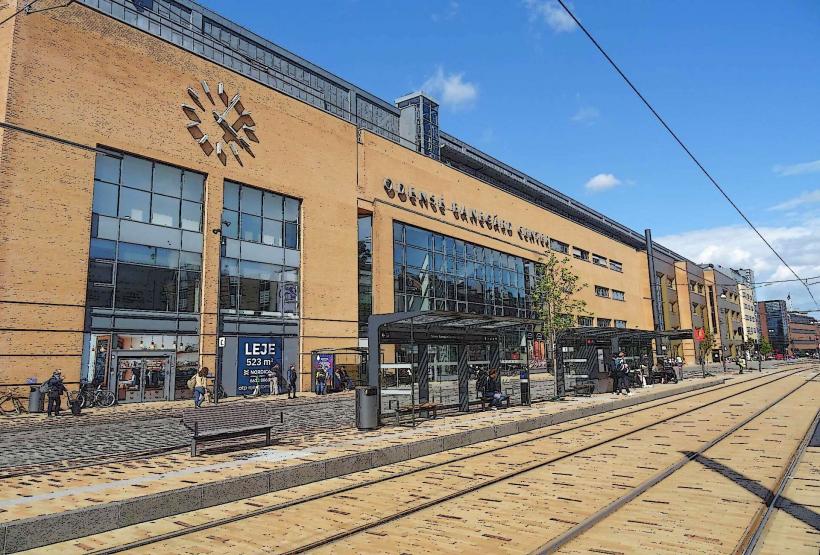
Møntergården Museum is situated at Møntestræde 1, 5000 Odense C. It is approximately 1.2 kilometers east of Odense Banegård Center (Odense Central Station), a walk of about 15 minutes. Public parking is available at the nearby Q-Park Odense City garage, located 0.3 kilometers southwest, or the P-hus Odeon garage, 0.5 kilometers northwest. Several city bus lines serve the area; bus stops such as "Thomas B. Thriges Gade" or "Albani Torv" are within 300 meters, offering connections to lines 11, 21, 22, and 110. The museum is accessible by foot from most central Odense locations.
Historical & Ecological Origin
The core of Møntergården Museum is formed by the Møntergården building itself, constructed around 1646 as a merchant's house. Other significant structures include the Ernst B. Lehmans Gård from 1758 and the Fattighuset (Poorhouse) from 1803. The complex was gradually acquired by the City of Odense and established as a museum in 1941, with its primary purpose being the preservation and exhibition of Odense's cultural history from the Viking Age to the present day.
Key Highlights & Activities
Visitors can explore permanent exhibitions detailing the Viking Age, the Middle Ages, and the Renaissance in Odense. Specific displays include archaeological finds, historical artifacts, and reconstructions of urban environments. The museum also features exhibitions on Hans Christian Andersen's life and times in Odense. Access to the historic courtyards and gardens is available. Educational workshops and guided tours are offered on specific schedules; check the museum's program for details.
Infrastructure & Amenities
Restrooms are available on-site, including accessible facilities. The museum complex provides limited shaded areas within its courtyards. A museum shop offers books and souvenirs. A café, Café Møntergården, is located within the premises, serving light meals and beverages. Cell phone signal (4G/5G) is generally strong throughout the complex. Wi-Fi access is provided in designated areas.
Best Time to Visit
The museum is generally less crowded during weekday mornings, shortly after opening at 10:00. For photography of the courtyards, late morning or early afternoon provides optimal natural light, minimizing harsh shadows. The months of May through September offer the most favorable weather conditions for exploring the outdoor areas. Specific events or temporary exhibitions may draw larger crowds; consult the museum's calendar.
Facts & Legends
One of the museum's buildings, Ernst B. Lehmans Gård, features a unique "secret" passage connecting two parts of the house, a common architectural element in larger merchant homes designed for discreet movement or storage during its period of construction.
Nearby Landmarks
- Hans Christian Andersen Museum: 0.2km North
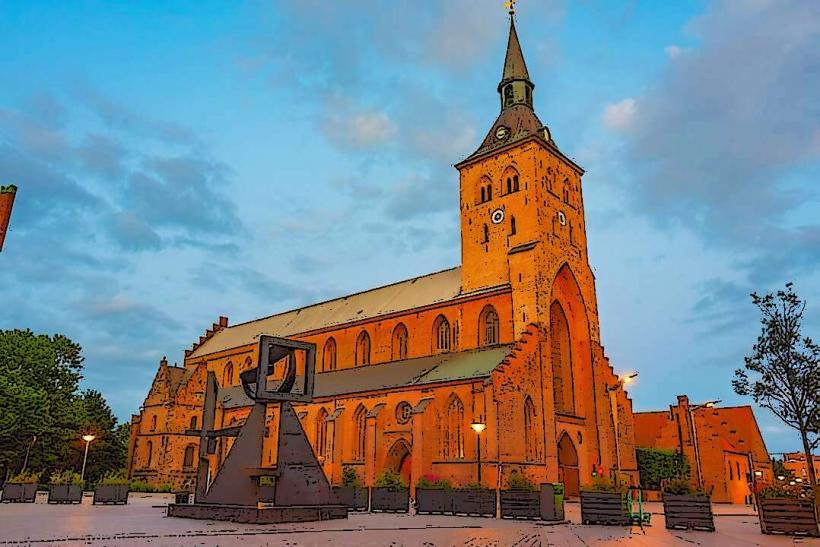
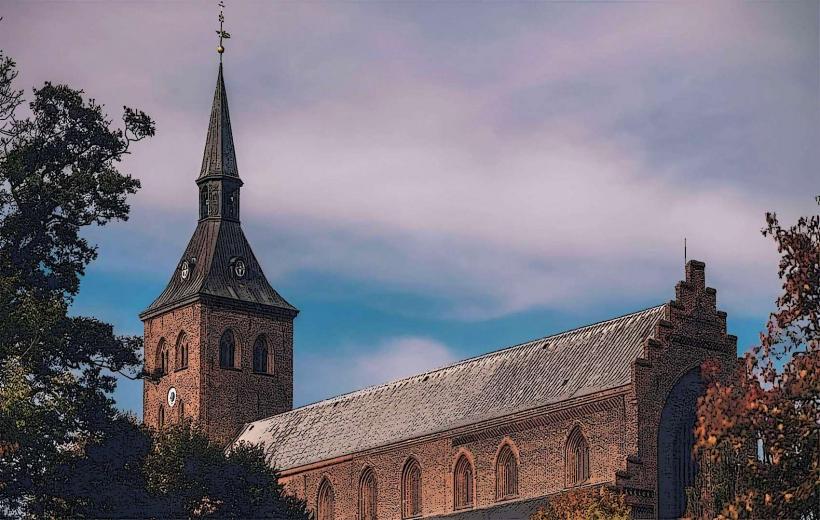
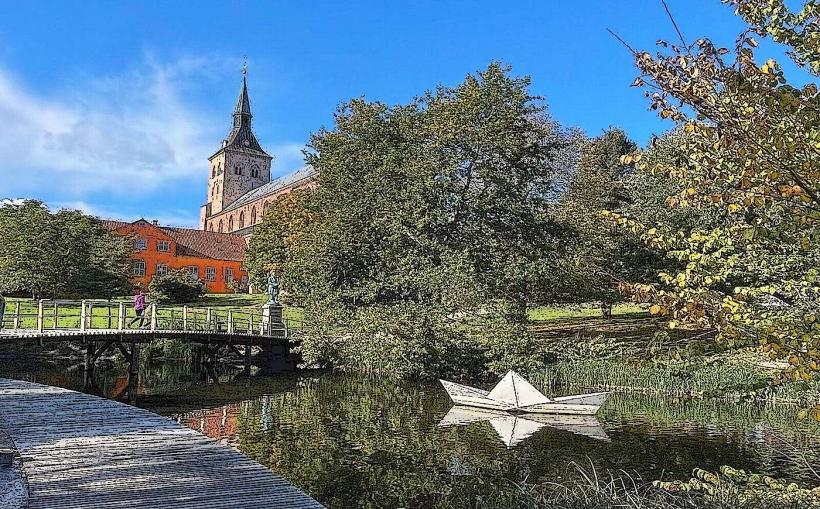
- Odense Cathedral (Sankt Knuds Kirke): 0.4km West
- Brandts Klædefabrik: 0.8km Northwest
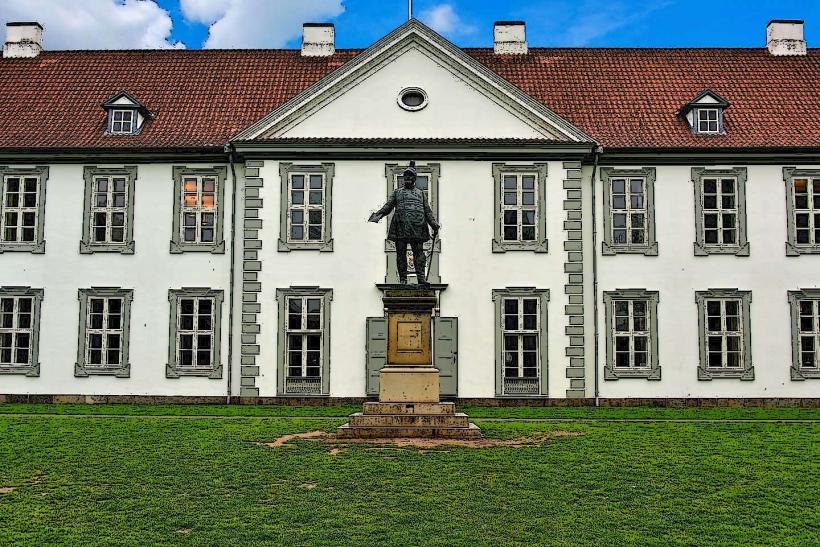
- Odense Palace: 0.6km West
- St. Albani Kirke: 0.3km Southwest