Information
Landmark: Odense PalaceCity: Odense
Country: Denmark
Continent: Europe
Odense Palace, Odense, Denmark, Europe
Overview
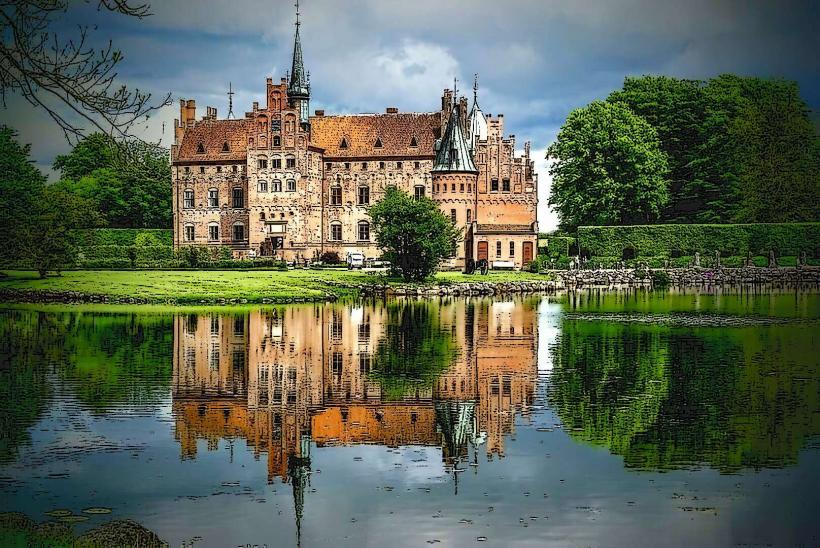
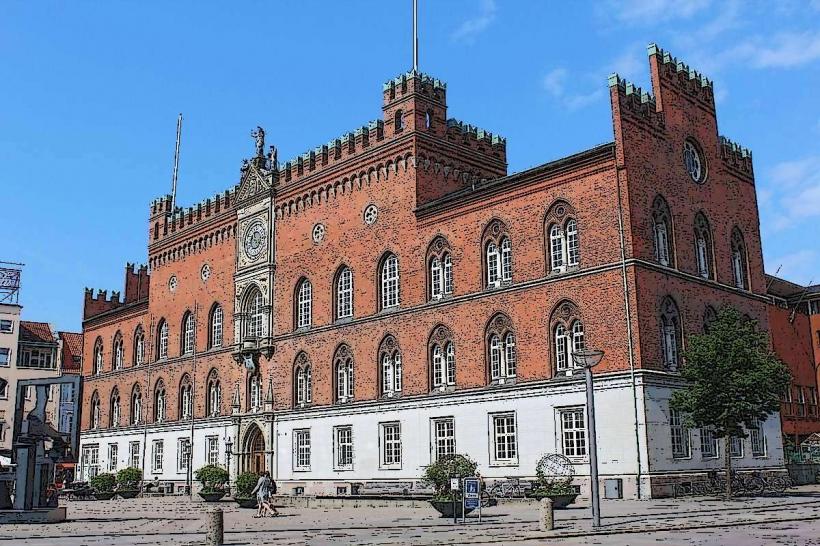
Odense Palace, known in Danish as Odense Slot, is a historic royal home in Denmark’s third-largest city, where cobblestone streets lead right to its gates, while the palace’s story stretches back to the medieval era, its stone walls holding centuries of echoes, and it stands today as one of the city’s most treasured architectural and cultural landmarks.Today, it’s a lively gathering site for concerts, exhibitions, and community events, and it also houses the regional administration for Southern Denmark, therefore odense Palace sits in the heart of the city, just steps from the Odense River where the water glints in the afternoon sun.Because it sits right in the heart of the city, it’s a spot both tourists and locals can reach without hassle-just a short stroll from the main square, after that the palace first rose in the 16th century, its stone walls catching the morning light.They picked the site for its strategic spot and rich history, raising the palace on the aged stone foundations of a medieval fortress, in addition over the years, it changed from a fortress with crisp stone walls to a royal home filled with light and silk-draped halls, slightly often Royal Connections: The palace has always kept close ties to the crown, from hosting coronation banquets to echoing with the footsteps of visiting kings, what’s more it’s best known for its ties to Frederick I and Frederick V of Denmark, both linked to the city of Odense, where cobbled streets still wind past classical timbered houses.In the 18th century, craftsmen restored the palace, giving it polished halls and turning it into a formal royal home, equally important over the centuries, the palace has been reshaped again and again, blending the elegance of Renaissance arches, the drama of Baroque curves, and the balance of Classical lines.Much of the palace you notice today took shape in the 18th century, when Frederick V expanded its wings and gave the classical stone walls a grand, modern touch, equally important today, the palace no longer houses royalty; instead, officials run the Region of Southern Denmark from its echoing stone halls.It also puts on a range of cultural events, from art exhibitions with the scent of fresh paint to lively concerts and bustling public celebrations, consequently odense Palace blends Baroque elegance with Renaissance grace-symmetrical facades stretch wide, tall windows catch the light, and ornate moldings trace patterns along the stone, somewhat The palace follows a rectangular layout centered around a courtyard, a style favored by royals of the era, at the same time its copper-clad roof gleams in the sunlight, rising above a central clock tower-both hallmarks of the Baroque flair embraced during its 18th-century renovations.Beyond the walls, visitors stroll through gardens with clipped lawns, dazzling flowerbeds, and winding paths open to all, at the same time inside, modern updates blend with remnants of its 18th-century elegance, relatively If you visit the palace today, you won’t be able to wander into every room-some are still reserved for government business, as well as still, its grand state rooms and echoing ceremonial halls speak clearly of its long and storied past.Inside, you’ll find elegant rooms filled with period furniture, rich tapestries, and portraits of long-gone faces, as a result outside, the formal gardens wrap around Odense Palace in neat lines of flowerbeds, clipped hedges, and winding paths-a favorite spot to stroll or sit in the sun, especially when spring and summer bring the blooms to life.From the lawns, you can discover the Odense River glinting in the sun-a perfect spot for a quiet hike or to simply breathe in the calm, in addition though the palace hasn’t housed royalty for years, it still buzzes with cultural gatherings and public celebrations, under certain circumstances The palace often buzzes with exhibitions, lively performances, and celebrations tied to Danish history, art, and culture-once, the air filled with the scent of fresh pine during a winter festival, simultaneously it also hosts official ceremonies and state functions, underscoring its role as one of Denmark’s historic landmarks, under certain circumstances These days, the Region of Southern Denmark uses it mainly as its administrative hub, then many parts of the building house government offices, so most areas aren’t open to the public.Even so, the palace’s rich history and striking architecture still shape the city’s identity, and visitors are welcome to explore the grounds or attend certain public events, then in the heart of Odense Palace, the central courtyard spreads wide and balanced, offering a perfect view of its neat symmetry framed by pale stone walls.The courtyard often buzzes with public events-from open-air concerts to winter markets-giving visitors a vivid taste of the palace’s character, in conjunction with while the grand halls remain off-limits because the building serves administrative purposes, the surrounding grounds and gardens welcome the public in every season, relatively You can wander the palace park, following winding paths past sparkling flowerbeds and quiet benches where the air smells faintly of roses, likewise the gardens offer a peaceful site to pause and take it all in.Inside, the palace frequently stages exhibitions-some tell Odense’s story, others explore Danish royal history or spotlight contemporary art, meanwhile visitors can dive deep into the palace’s and city’s history through the exhibitions, pausing to admire a faded map or centuries-classical tapestry.As you can see, Now and then, music drifts from concerts or performances in the courtyard or nearby halls, infusing the destination with life, simultaneously guided tours are also offered for those who want to explore Odense Palace’s rich history and architecture in more depth.On these tours, you’ll trace the palace’s journey through centuries of change, discover its setting in Danish royal history, and behold how it serves today as a seat of government, moreover you might stroll through the manicured palace gardens or explore exhibits that reveal Odense’s royal connections and cultural heritage.The palace sits in the city center, an easy roam or quick bus ride from other historic sites, and the gardens welcome all visitors, including those using wheelchairs, though interior access is limited, also standing in the heart of Odense, the palace remains a historic and architectural treasure with deep roots in Denmark’s royal past.Truthfully, Though it’s no longer home to royalty, the palace still pulses at the heart of the city, with rose-scented gardens, centuries of history, and lively cultural events, furthermore if you’re drawn to Danish history, architecture, and culture, Odense Palace offers an experience you won’t forget-wander its sunlit gardens, join a lively event, or just breathe in the quiet of its shaded courtyard.
Author: Tourist Landmarks
Date: 2025-09-04