Information
Landmark: Odense RiverCity: Odense
Country: Denmark
Continent: Europe
Odense River, Odense, Denmark, Europe
The Odense River is a natural waterway flowing through the city of Odense, Denmark. It originates southwest of Odense and empties into Odense Fjord.
Visual Characteristics
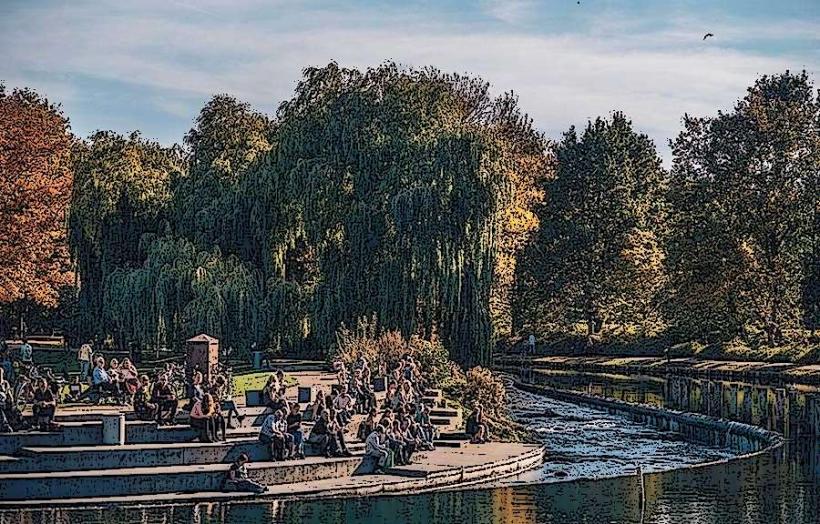
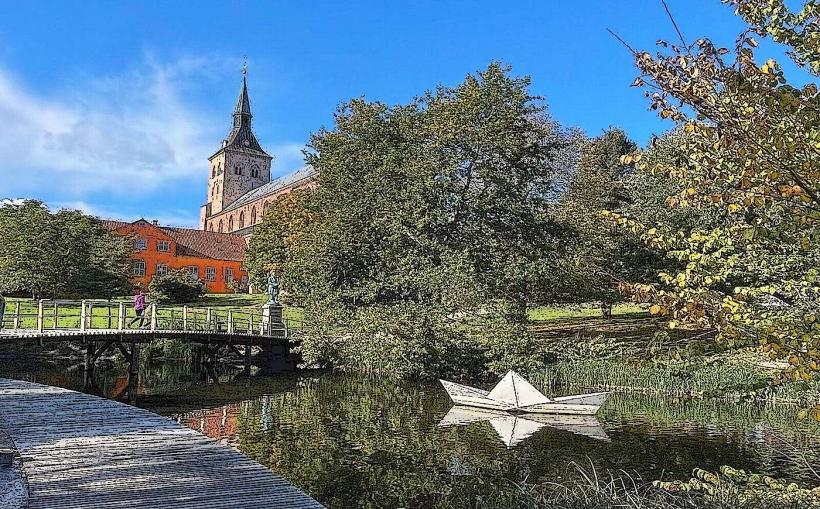
The Odense River is a narrow, slow-moving freshwater river, typically appearing dark green or brown due to sediment and vegetation. Its average width within the city is approximately 10-20 meters, with varying depths. The banks are often lined with cultivated parkland, mature trees, and some sections feature concrete embankments or natural reeds.
Location & Access Logistics
The river flows directly through the center of Odense. Key access points include Munke Mose park and Eventyrhaven. From Odense Central Station, the river is approximately 0.5 km south, accessible via Østre Stationsvej and Klosterbakken. Public transport includes multiple bus lines (e.g., Line 111, 131, 151) with stops near the riverbanks. Limited street parking is available on adjacent roads; paid parking garages like Q-Park Odense City are within 0.5 km.
Historical & Ecological Origin
The Odense River is a natural watercourse, primarily fed by groundwater and surface runoff. Its current course has been influenced by post-glacial landscape formation and centuries of human modification, including dredging and bank stabilization. Ecologically, it functions as a freshwater river ecosystem, supporting various fish species, waterfowl, and riparian vegetation.
Key Highlights & Activities
Activities include rowboat rentals from Odense Aafart, operating from Munke Mose. Kayaking and canoeing are permitted. The riverbanks feature extensive walking and cycling paths, such as the path through Eventyrhaven. Fishing is possible with a valid Danish fishing license.
Infrastructure & Amenities
Public restrooms are available in adjacent parks like Munke Mose and Eventyrhaven. Significant shade is provided by mature trees along the riverbanks. Cell phone signal (4G/5G) is consistently strong throughout the city sections of the river. Several cafes and restaurants are located within walking distance, particularly near the city center sections.
Best Time to Visit
The best time to visit for general enjoyment is during the late spring and summer months (May to August) when the weather is mildest and vegetation is lush. For photography, early morning or late afternoon light provides softer illumination along the river. No tide requirements apply as it is a freshwater river.
Facts & Legends
A local tradition involves taking a boat trip with Odense Aafart, which has operated on the river since 1882. A lesser-known fact is that the river was historically crucial for transporting goods and was once significantly wider and deeper before extensive regulation.
Nearby Landmarks
- H.C. Andersen's House: 0.3km North
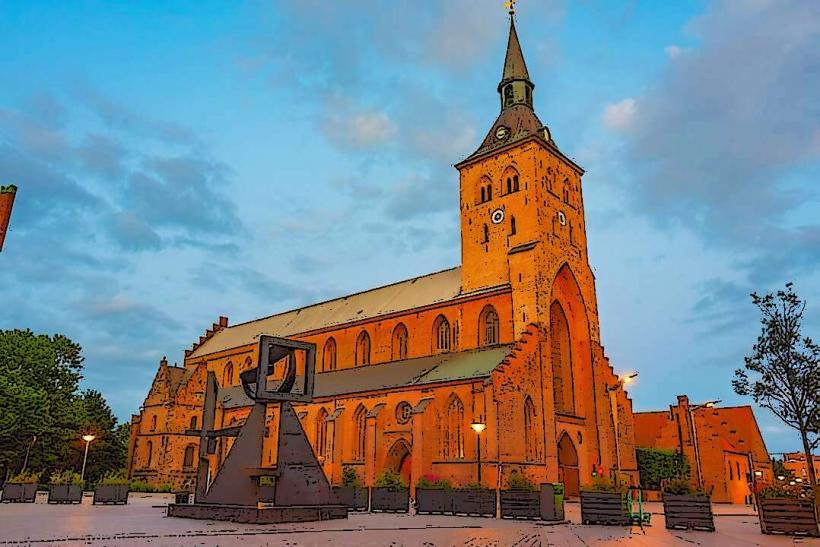
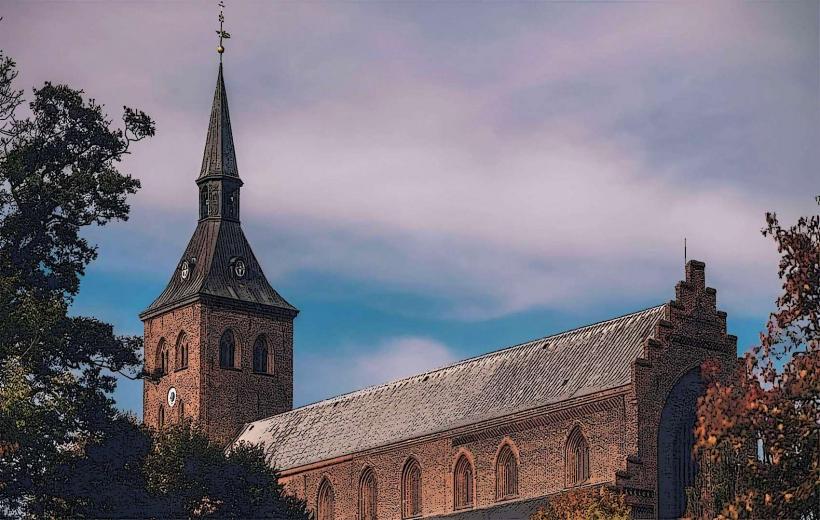
- St. Canute's Cathedral (Odense Cathedral): 0.4km West
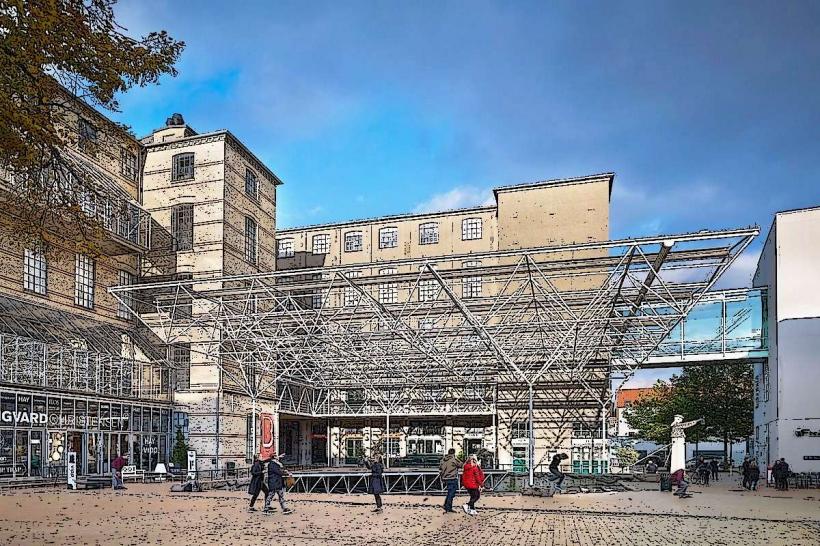
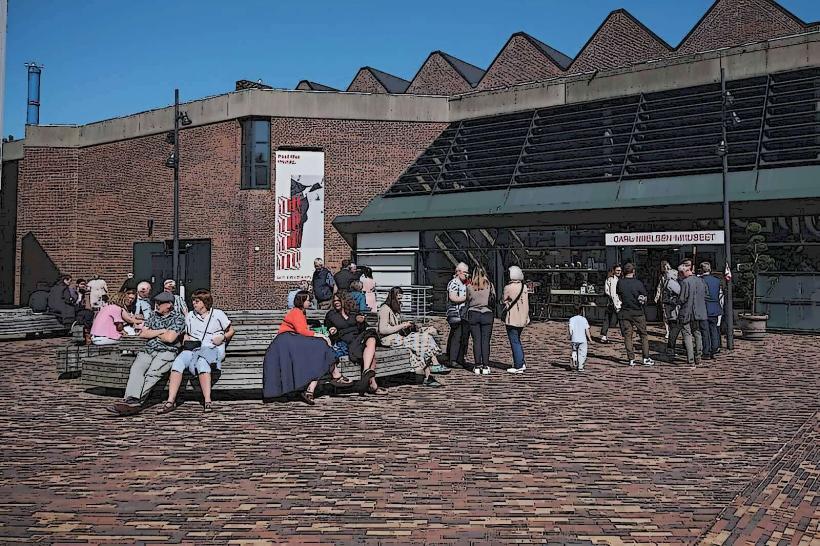
- Brandts Klædefabrik: 0.7km West
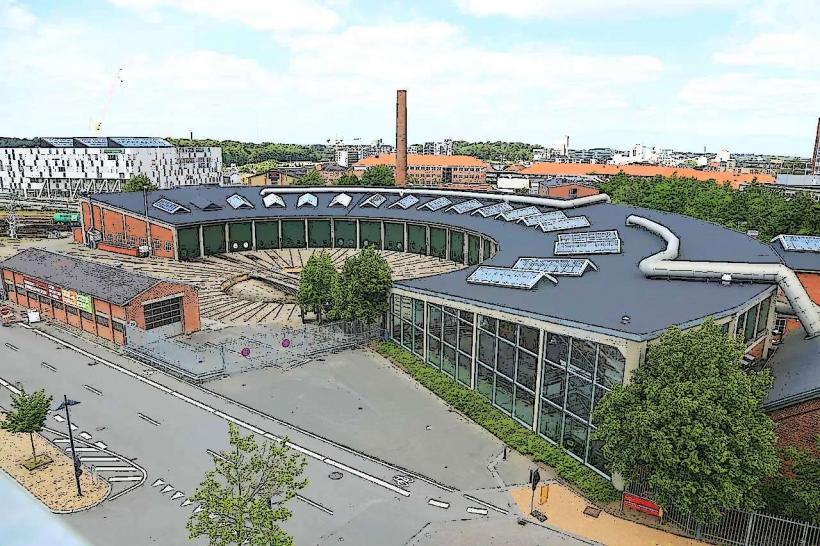
- Danish Railway Museum: 0.8km North
- Odense Zoo: 2.5km Southwest