Information
Landmark: Mostar Old BazaarCity: Mostar
Country: Bosnia and Herzegovina
Continent: Europe
Mostar Old Bazaar, Mostar, Bosnia and Herzegovina, Europe
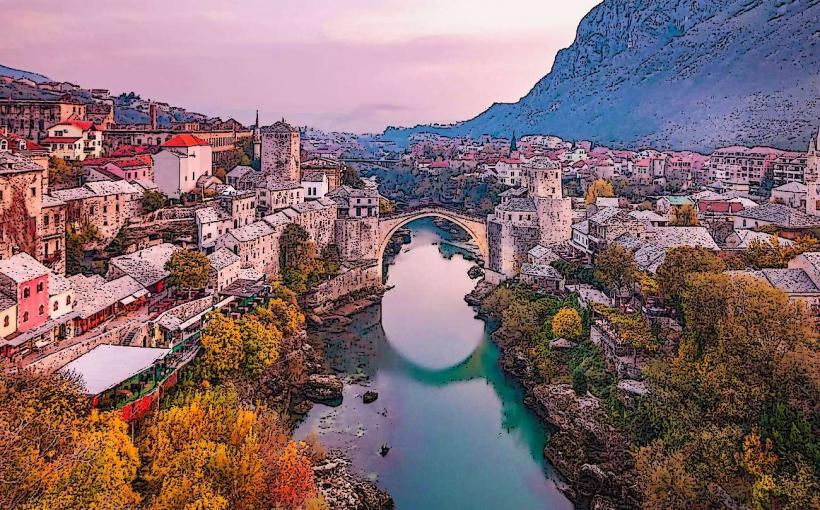
The Mostar Old Bazaar, known as Kujundžiluk, is a historic market street located on the left bank of the Neretva River in the heart of Mostar’s Old Town. It serves as a primary commercial and cultural artery connecting the city’s residential areas to the Stari Most bridge.
Visual Characteristics
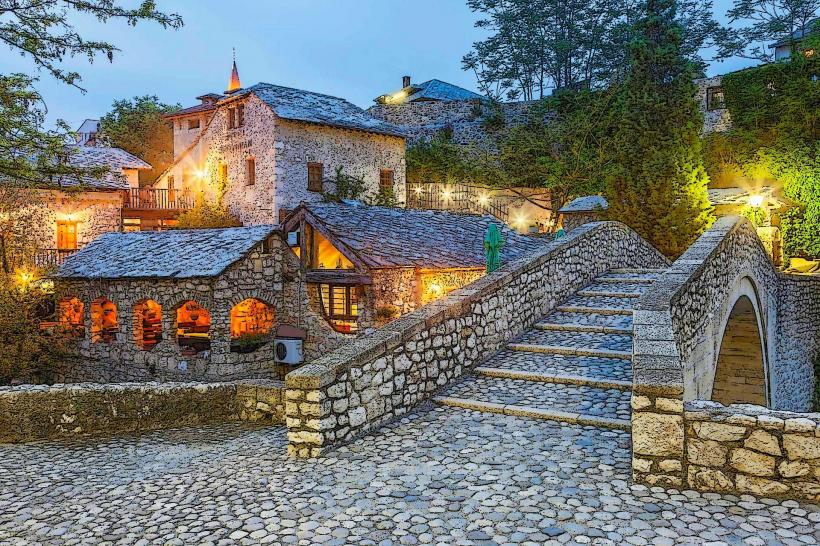
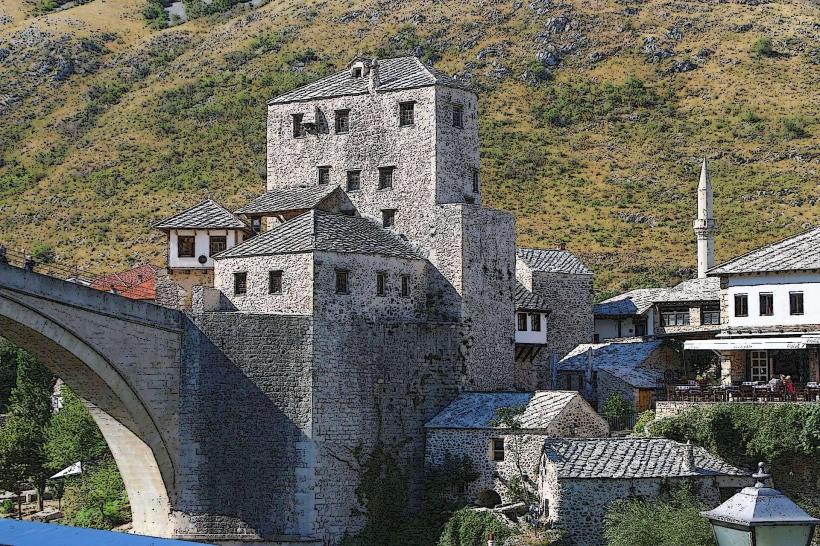
The bazaar is defined by narrow, winding cobblestone streets lined with small, single-story stone shops. Building materials consist of local limestone and white mortar, with roofs covered in traditional heavy stone slabs. The visual environment is characterized by the presence of hammered copperware, woven carpets, and vibrant textiles displayed outside the shopfronts.
Location & Access Logistics
Kujundžiluk is located in the Stari Grad district, immediately northeast of the Stari Most. The area is a strictly pedestrian zone; no motorized vehicles are permitted. Visitors typically arrive via Maršala Tita Street. The nearest public bus stop is at the Spanish Square (Španski trg), approximately 1km to the northwest. Limited paid parking is available at the entrance to the Old Town on the western and eastern perimeters.
Historical & Ecological Origin
The bazaar dates back to the middle of the 16th century, expanding significantly during the Ottoman administration. It was originally established as the center of the city’s craft production, housing over 500 workshops for coppersmiths (kujundžije), tailors, and leatherworkers. The layout follows traditional Ottoman urban planning principles, grouping similar trades into specific quarters to facilitate commerce.
Key Highlights & Activities
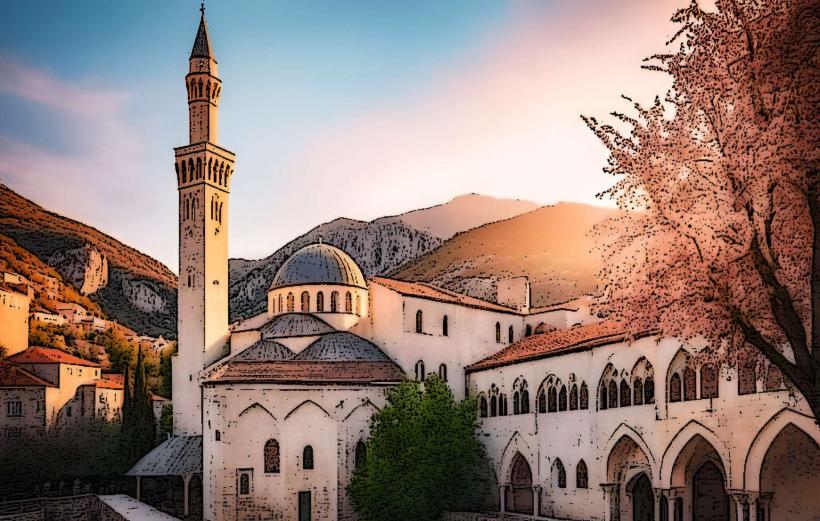
Walking through the bazaar allows for the observation of traditional coppersmithing techniques, with artisans often working in open doorways. Specific activities include purchasing handcrafted "džezva" (coffee pots), visiting the nearby Koski Mehmed Pasha Mosque for river views, and observing the Neretva River from several stone overlooks integrated into the market path.
Infrastructure & Amenities
Public restrooms are available near the entrance of the Koski Mehmed Pasha Mosque for a small fee. Shade is provided by the narrowness of the streets and protruding shop eaves. 4G and 5G cellular signals are consistently available. Numerous small cafes and traditional "ćevabdžinica" restaurants are located directly within the bazaar area.
Best Time to Visit
The best time for photography is early morning (08:00–09:00) before high tourist traffic obscures the cobblestone perspective, or during the "golden hour" shortly before sunset. The market is most active from May through September. High summer temperatures often exceed 35°C, making midday visits physically demanding due to the stone-reflected heat.
Facts & Legends
The name "Kujundžiluk" is derived from the Turkish word "kuyumcu," meaning goldsmith or coppersmith, reflecting its original purpose. A local tip for visitors is to look for the "Don't Forget '93" stone located near the bazaar entrance, which serves as a subtle but significant memorial to the destruction the area faced during the conflict in the 1990s.
Nearby Landmarks
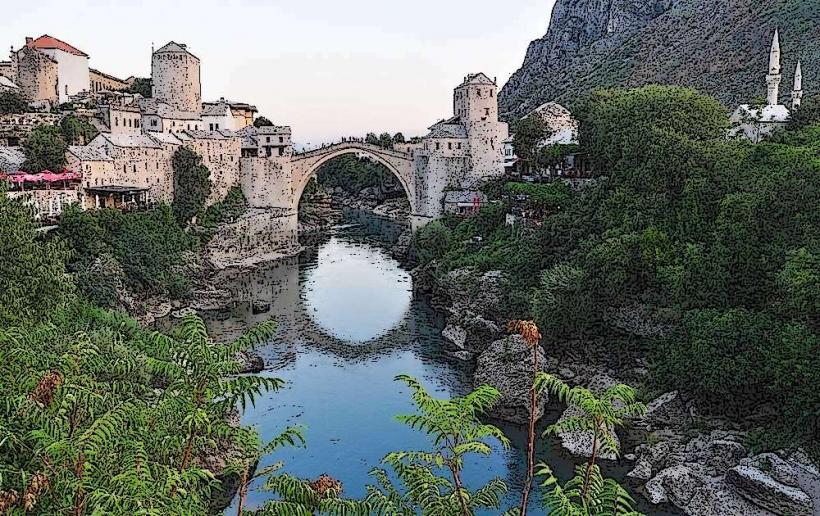
Stari Most (Old Bridge) - 0.1km Southwest
Koski Mehmed Pasha Mosque - 0.05km North
Crooked Bridge (Kriva Ćuprija) - 0.3km West
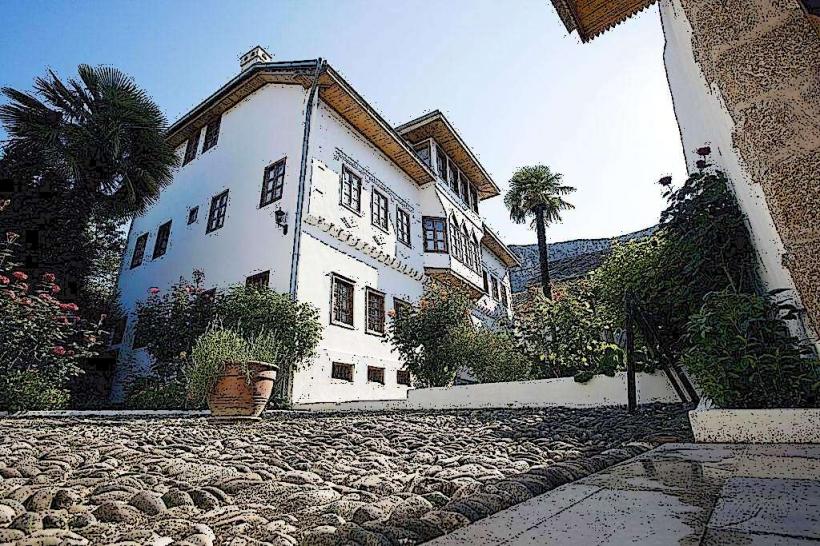
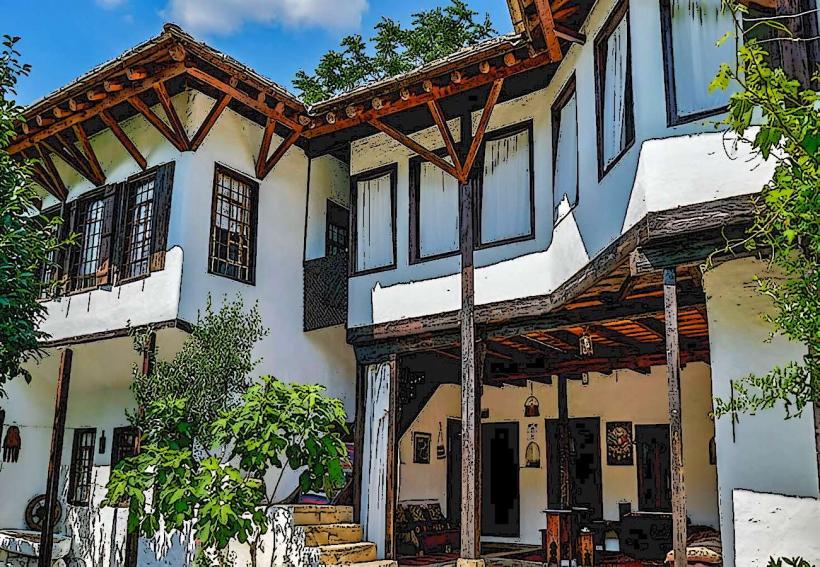
Biscevic House (Turkish House) - 0.4km North
Hamam Museum - 0.2km Northwest