Information
Landmark: Musée du Panthéon National Haïtien (National Pantheon Museum)City: Port au Prince
Country: Haiti
Continent: North America
Musée du Panthéon National Haïtien (National Pantheon Museum), Port au Prince, Haiti, North America
Overview
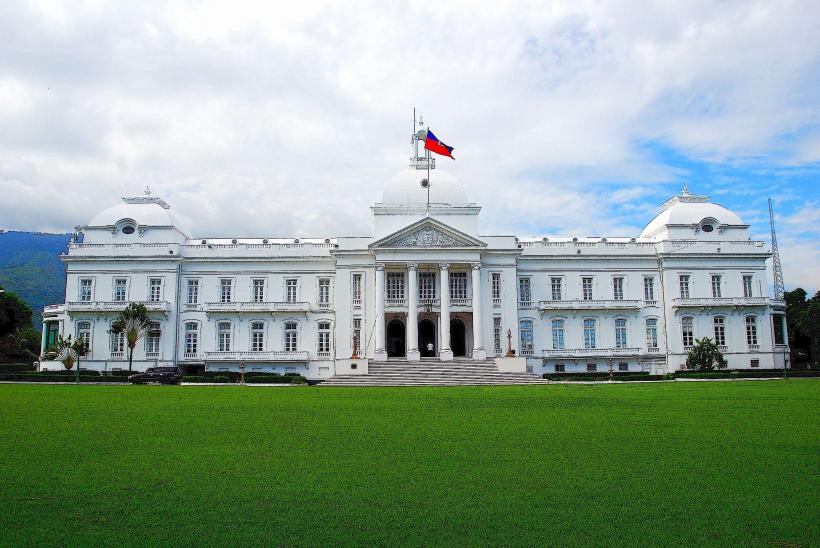
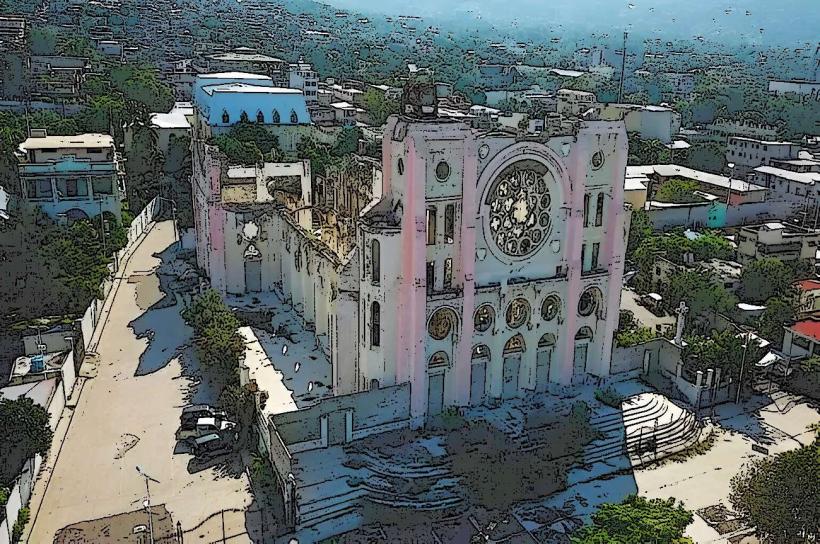
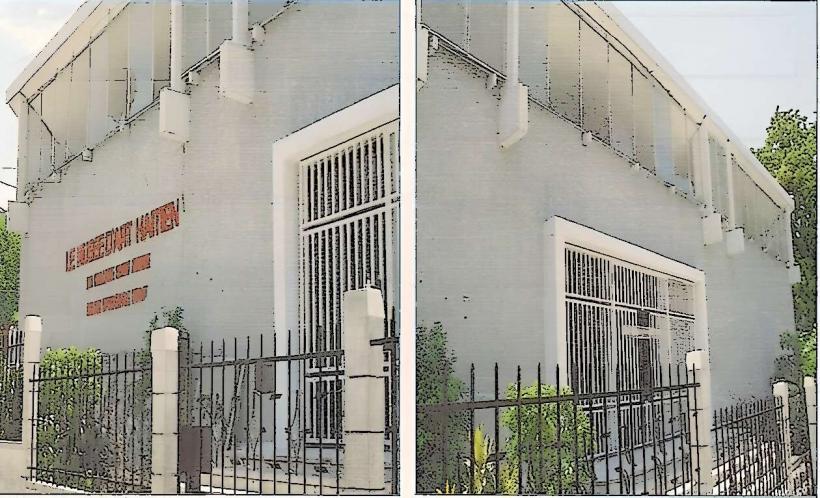
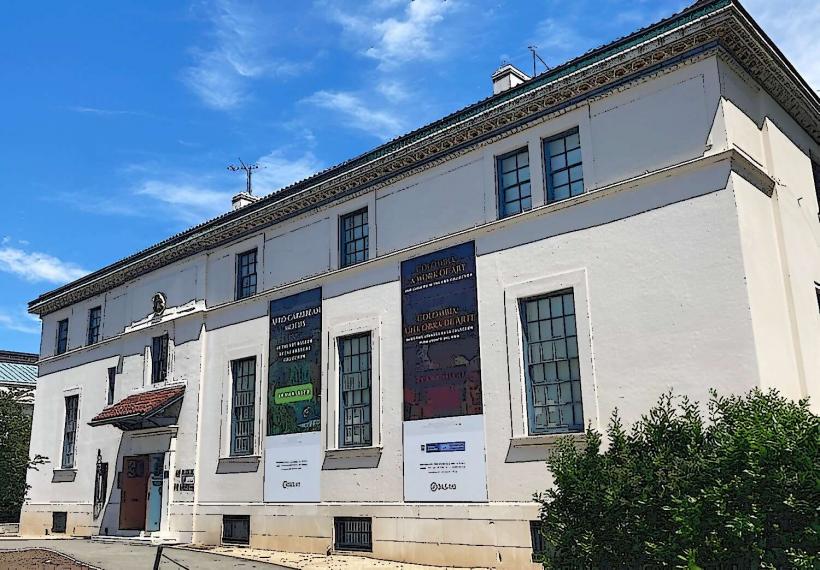
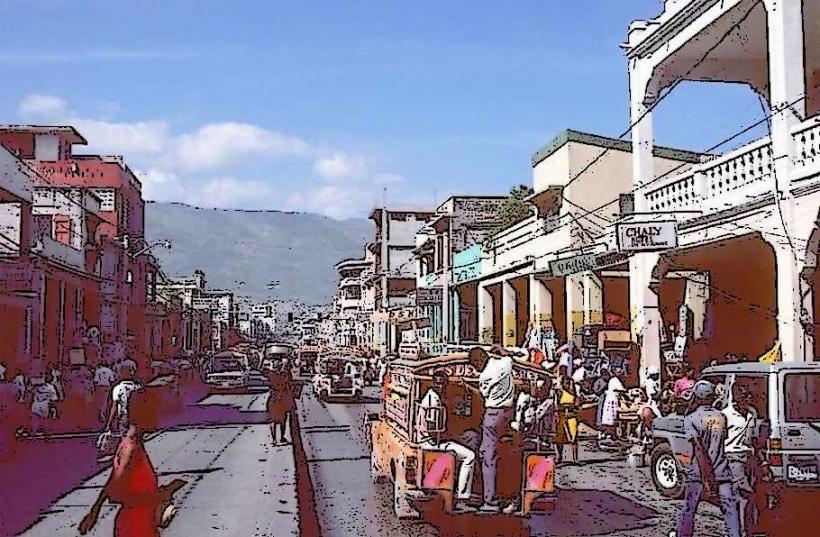
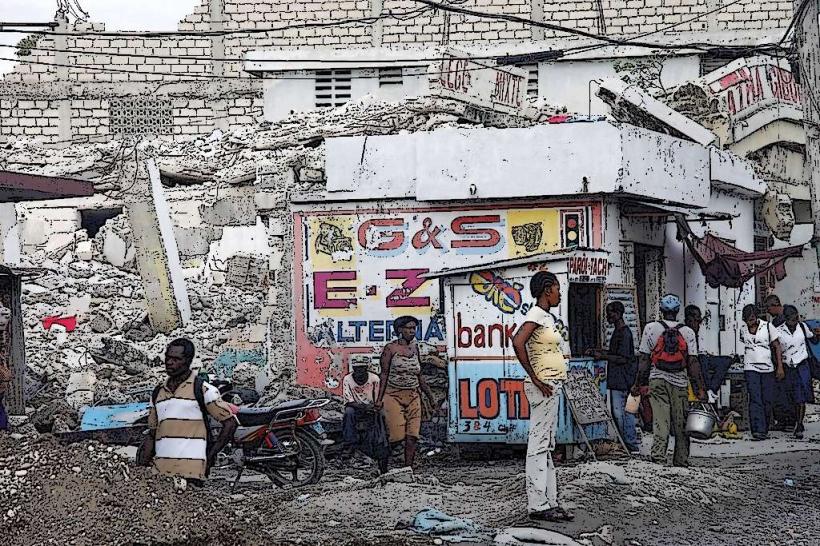
In the heart of Port-au-Prince, the Musée du Panthéon National Haïtien stands as one of Haiti’s most treasured cultural landmarks, its white stone walls catching the midday sun, therefore it’s a historical museum that keeps Haiti’s story alive, spotlighting the struggle for independence and the leaders who shaped it-names etched into faded documents and weathered stone, mildly First, simultaneously founded in 1983, the National Pantheon Museum honors Haiti’s national heroes and brings the story of the Haitian Revolution to life, from rusted swords to weathered battle flags.It sits in a historic landmark-the former Holy Trinity Cathedral (Cathédrale de la Sainte Trinité)-its stone walls carrying the weight of the colonial era, in addition the museum was built to honor and preserve the legacy of Haiti’s founding fathers and to teach future generations about their fierce fight for independence and freedom, a story etched in weathered flags and faded letters, generally Number two, therefore the building that now holds the museum once stood as the Holy Trinity Cathedral, its stone walls first rising in the 19th century, in a sense Oddly enough, In Port-au-Prince, it stood as a major religious and cultural landmark, its colonial-era design blending neoclassical curves with a sweeping domed roof, ornate carvings, and facades so detailed you could trace the patterns with your fingertip, meanwhile after the 2010 earthquake left cracks running through its walls, the building was repaired and stood once more, with the museum continuing to honor Haiti’s rich history and culture.The National Pantheon Museum’s main goal is to teach people about the nation’s past-especially its struggle for independence and the revolutionary leaders who forged its path, to boot the museum highlights how freedom, unity, and justice shaped Haiti’s rise as the first independent Black republic, with stories that echo like drums through its halls, partially The museum preserves Haiti’s national history, safeguarding relics, artifacts, and documents from the independence movement and the Haitian Revolution that freed the nation from France in 1804, then it offers a destination to learn-whether you’re a local student or a traveler-about the revolution’s heroes, the battles they fought, and the political, cultural, and social forces that shaped modern Haiti, in some ways Visitors can stand before portraits of leaders like Toussaint Louverture, Jean-Jacques Dessalines, and Henri Christophe, paying tribute to their courage, then its exhibitions span centuries, but the heart of the collection beats with the story of the revolution and the struggle for freedom.Notable Exhibitions: Haitian Revolution - the museum brings the era to life with vivid displays of decisive battles, daring strategies, and the commanding presence of Toussaint Louverture, the revolution’s most renowned leader, meanwhile national Heroes - visitors can step into galleries devoted to Haiti’s founding fathers, where portraits and relics honor figures like Jean-Jacques Dessalines, Henri Christophe, and Alexandre Pétion.Funny enough, The museum showcases personal mementos, vivid portraits, and detailed biographies, along with historic documents, weathered weapons, and belongings of revolutionary leaders that feel like echoes of Haiti’s fight for independence, therefore visitors can also view paintings, sculptures, and artifacts capturing pivotal moments in the nation’s story, celebrating its culture and artistic triumphs.In the Pantheon, the air grows hushed-it’s the final resting destination of Haiti’s national heroes, in addition this region holds deep national pride, where Haitians come to honor the leaders who fought for their freedom, sometimes leaving flowers at the foot of weathered stone monuments.The Pantheon holds the remains of Haiti’s national heroes, among them Jean-Jacques Dessalines, the first emperor who, in 1804, declared the nation’s independence with the sound of church bells ringing through Port-au-Prince, not only that among those buried here are Toussaint Louverture and Henri Christophe.The museum becomes a gathering site for national ceremonies like Independence Day, when the Pantheon stands at the heart of honoring Haiti’s history and heroes, besides it remains a vital guardian of the nation’s identity, keeping its stories alive.It’s a region where Haitians pause to remember their shared history, the long marches, and the hardships that forged their nation, simultaneously the museum highlights Haiti’s role in ending slavery worldwide and in founding the first independent Black republic, a story that echoes in the worn pages of ancient freedom proclamations on display.To be honest, In modern Haiti, the museum stands as a source of cultural pride, giving young Haitians a deeper connection to their heritage-some stop at a weathered drum or a hand-stitched flag and imagine their ancestors’ lives, in turn it’s also a key stop for travelers from around the world who come to learn about Haiti’s history, culture, and the Haitian Revolution.Since the 2010 earthquake, its walls and collections have become powerful symbols of resilience, reminding people why preserving the nation’s heritage matters, on top of that you’ll find it in the heart of Port-au-Prince, near the historic district, open daily with adjusted hours for national holidays, and guided tours are available for those who want to explore the story of Haiti’s independence more closely.
Author: Tourist Landmarks
Date: 2025-09-10