Information
Landmark: Museo Regional de MagallanesCity: Punta Arenas
Country: Chile
Continent: South America
Museo Regional de Magallanes, Punta Arenas, Chile, South America
Overview
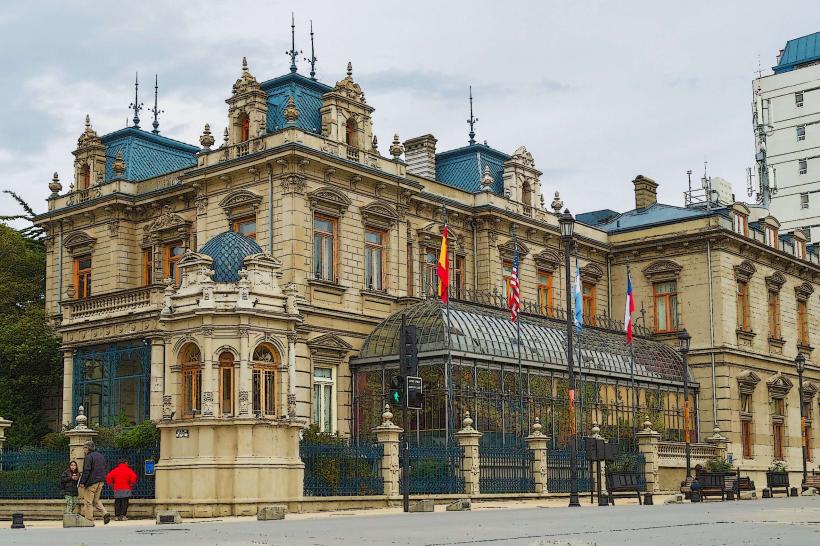
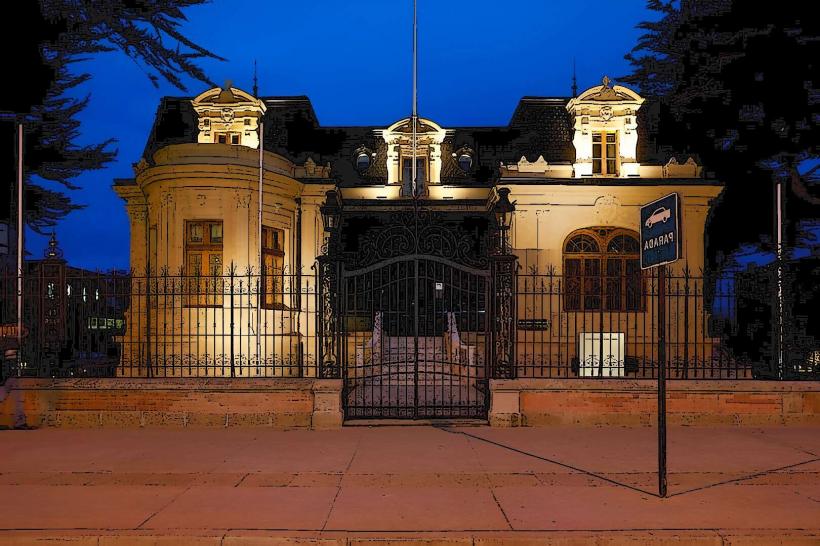
The Museo Regional de Magallanes, or Magellan Regional Museum, sits in Punta Arenas-the windswept capital of the Magallanes and Chilean Antarctic Region in southern Chile, furthermore the museum works to preserve and share the rich history, vibrant culture, and wild landscapes of the Magallanes region, stretching to Chile’s far south and even brushing the icy edges of the Antarctic Peninsula.Here’s what you should recognize about the Museo Regional de Magallanes: 1, moreover the Museo Regional de Magallanes sits in Punta Arenas, a coastal city resting on the windy shores of the Strait of Magellan.Set in a prime spot, the museum offers a window into the history and growth of Chile’s southernmost region, a land of biting winds and deep-rooted stories, consequently housed in the elegant Palacio Braun-Menéndez-a late 19th-century mansion-it gains even more cultural weight.Built in 1906 by the wealthy Braun-Menéndez family, among the region’s most powerful at the time, the building itself stands as part of the history it preserves, consequently the building showcases European-inspired design, blending French-style touches with ornate details like carved stone balconies.In 1982, the building was transformed into a museum, preserving it as both a historic landmark and a home for the region’s heritage, and inside, you’ll find displays that trace Magallanes’ story-from daring voyages across icy straits and the growth of Punta Arenas to the traditions of the Selk'nam, Yámana, and Mapuche peoples, alongside the marks left by European settlers.The exhibits span natural history, indigenous cultures, colonial life, and scientific exploration, with artifacts as modest as carved bone tools and as grand as ship models, after that the exhibits showcase artifacts, hand-forged tools, and intricate artworks that bring to life their daily rituals, traditions, and lasting influence on the region’s history.One major theme invites you into the story of Patagonia and Antarctic exploration and colonization, subsequently step inside, and the museum brings to life the daring journeys of explorers like Ferdinand Magellan-its namesake-and Francisco de Hoces, whose ships once battled icy winds and uncharted seas.It explores the stories of early European settlers, the rise of Punta Arenas, and how the region shaped trade and navigation across the Southern Cone, besides in its natural history section, you’ll find vivid displays of Magallanes’ landscapes-thorny shrubs, seabirds wheeling overhead, sleek Antarctic seals.Maritime history comes alive with exhibits on shipbuilding, navigation, and the whaling trade that once filled the Magallanes Strait with the smell of salt and tar, besides many exhibits explore Punta Arenas’ history as a vital southern Chilean port, from maps weathered by salt air to sailors’ journals.Alongside these relics, the museum features vibrant art shows and collections that showcase local artists and trace the region’s cultural transformation over the years, at the same time these displays highlight the artistic movements and creative spirit of the people from Chile’s far south, while the Palacio Braun‑Menéndez itself stands as a masterpiece, its grand arches and carved stonework echoing French and Italian Renaissance design, relatively Visitors can wander through lavish rooms filled with carved wooden panels, stained glass that catches the light, cool marble floors, and richly upholstered chairs, then the sweeping staircase and graceful design hint at how Punta Arenas’ wealthy lived in the late 1800s and early 1900s, in a sense Today, the museum also teaches locals and travelers about the Magallanes region’s geography, history, and cultural growth, meanwhile the museum offers a wide range of educational programs-guided tours, hands-on workshops, and special events that bring the region’s natural and cultural heritage to life.Frankly, It’s a valuable partner for schools and universities, giving students a close inspect at Patagonia’s social, cultural, and environmental history, from weathered tools to faded photographs, therefore open most of the year, its hours can change, so it’s wise to check ahead before you go.The museum usually closes for gigantic public holidays, and it charges a slight entry fee-students and kids get a discount, so a family with school-aged children might pay just a few coins less, besides most visitors can afford to visit, and it’s easy to get to.In a way, All year long, the museum hosts rotating exhibits and special events-one month you might witness newly unearthed artifacts, another, a lively festival celebrating local traditions, meanwhile the Museo Regional de Magallanes stands as one of the region’s most critical guardians of its cultural and historical identity.The Museo Regional de Magallanes is a cornerstone of Punta Arenas’ cultural life, offering a vivid window into the rhythms and stories of this far-flung corner of the world, furthermore its exhibits spark regional pride, guiding visitors through the region’s indigenous origins, colonial chapters, and present-day character-right down to the creak of timeworn wooden floors underfoot.Curiously, Here, you can trace the natural history, cultural heritage, and spirit of exploration that define Chile’s southernmost lands, meanwhile the museum, set inside a century-vintage stone building, protects Patagonia’s past while bringing to life the rich, layered identities of the people who’ve called it home.Whether you’re drawn to indigenous traditions, tales of daring explorers, or the wonders of the natural world-like the glint of a rare mineral under glass-this museum offers an experience that’s rich, varied, and unforgettable.
Author: Tourist Landmarks
Date: 2025-09-13