Information
Landmark: Napatree Point Conservation AreaCity: Westerly
Country: USA Rhode Island
Continent: North America
Napatree Point Conservation Area, Westerly, USA Rhode Island, North America
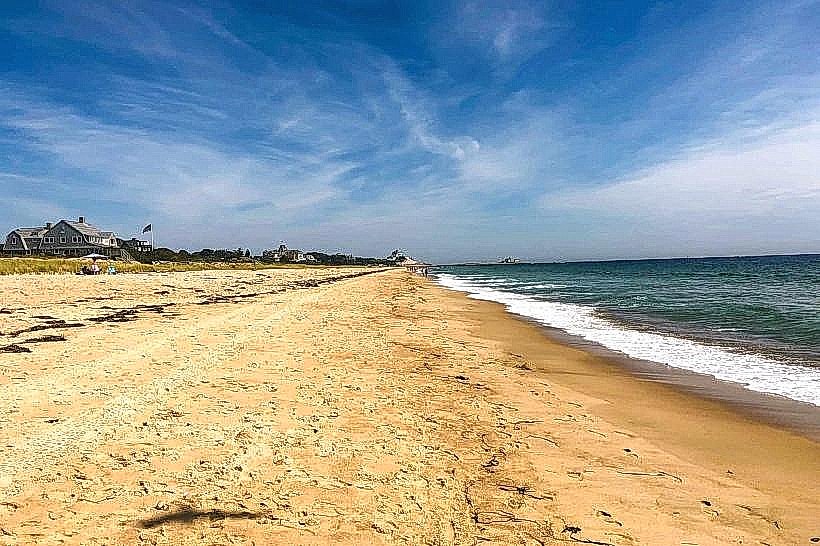
Napatree Point Conservation Area is located in Westerly, Rhode Island, stretching along a narrow, sandy peninsula that extends into Block Island Sound. The area is a unique barrier spit, bordered by the ocean on one side and Little Narragansett Bay on the other. Its combination of sandy beaches, dunes, salt marshes, and tidal flats creates a diverse coastal ecosystem with both ecological and recreational significance.
History
The area has a rich history tied to both natural and human events. Napatree was historically the site of defensive fortifications, including Fort Mansfield, built in the late 19th century to protect Long Island Sound from potential naval attacks. While the fort was decommissioned in the early 20th century, remnants of its foundations and artillery positions remain as historical features within the conservation area.
The peninsula has also been shaped by natural events, most notably the 1938 New England Hurricane, which dramatically altered the landscape, eroding parts of the shoreline and creating the dynamic dune systems seen today. Napatree has been preserved as a conservation area to protect its fragile ecosystems, prevent overdevelopment, and maintain public access.
Ecological Significance
Napatree Point is an important habitat for both terrestrial and marine species:
Birdlife: The area supports numerous shorebirds, gulls, terns, and migratory species. Piping plovers, a threatened species, nest on the sandy beaches during spring and summer, with conservation efforts in place to protect them.
Marine Life: Tidal flats and surrounding waters are home to shellfish, crabs, and small fish, which in turn attract wading birds.
Vegetation: Dune grasses, salt-tolerant shrubs, and marsh plants stabilize the shoreline and provide shelter for wildlife.
Visitor Activities
Walking and Hiking
Visitors can explore the narrow peninsula via a network of trails and open beach areas. Walking from the parking area to the tip of the point provides expansive views of the Atlantic Ocean, Little Narragansett Bay, and Watch Hill Harbor. Trail surfaces vary from sandy beach to stabilized boardwalks over marshy areas, allowing visitors to experience multiple habitats in a single outing.
Wildlife Observation
The conservation area is a prime spot for birdwatching and nature photography. During migration seasons, large flocks of shorebirds and waterfowl pass through, while summer months bring nesting plovers and other coastal species. Observation points along the trail provide unobstructed views of both bay and ocean habitats.
Beach Activities
Sandy stretches along the ocean side are suitable for sunbathing, beachcombing, and casual swimming. The waters are generally calm near the bay side, providing safe areas for wading and observing tidal pools.
Amenities and Access
Parking: Limited parking is available at designated access points, with seasonal restrictions during bird nesting periods.
Restrooms: Minimal facilities are provided, emphasizing low-impact conservation.
Regulations: Dogs, vehicles, and fires are prohibited in sensitive areas, particularly during nesting season for piping plovers. Visitors are encouraged to stay on marked paths to protect fragile dunes and wildlife habitats.
Visitor Experience
Napatree Point offers a sense of remoteness despite its proximity to the town. Visitors experience the wind and scent of the ocean, the rhythmic sound of waves along the shoreline, and the open expanse of sand and water. Early mornings bring solitude and quiet wildlife observation, while afternoons may see families exploring tidal pools or walking the beach. The combination of natural beauty, historical remnants, and wildlife activity makes each visit layered and memorable.
Conclusion
Napatree Point Conservation Area is a dynamic coastal landscape where natural history, wildlife, and human history intersect. Its beaches, dunes, and marshes provide habitat for endangered species, scenic views for visitors, and a tangible connection to Rhode Island’s maritime heritage. The conservation area exemplifies the balance between public enjoyment and environmental stewardship, making it a vital and compelling destination on the southern Rhode Island coast.