Information
Landmark: National Maritime MuseumCity: Galle
Country: Sri Lanka
Continent: Asia
National Maritime Museum, Galle, Sri Lanka, Asia
Overview
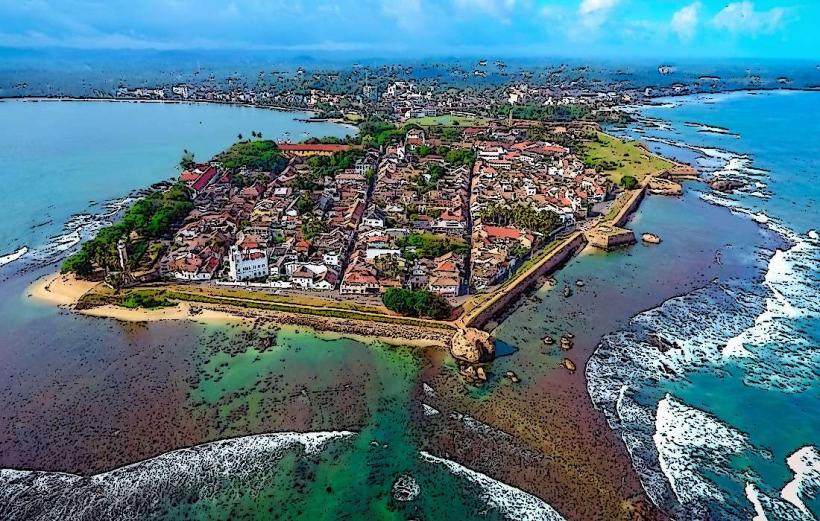
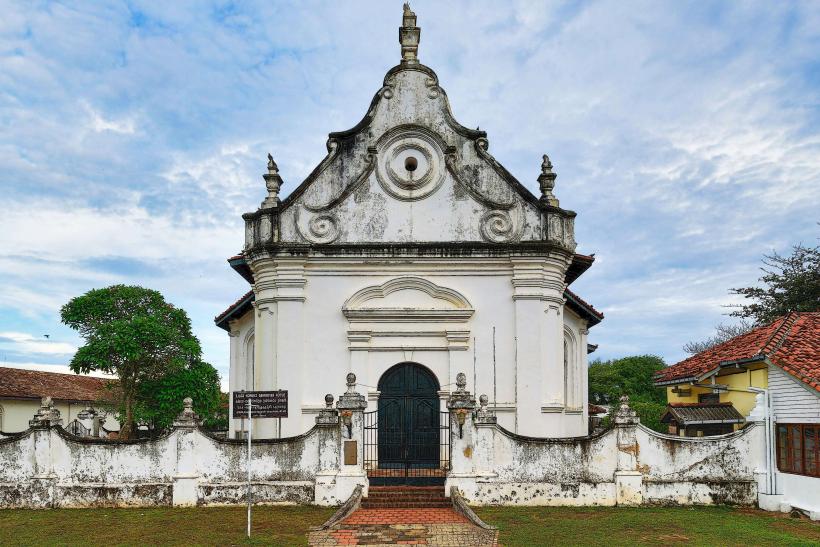
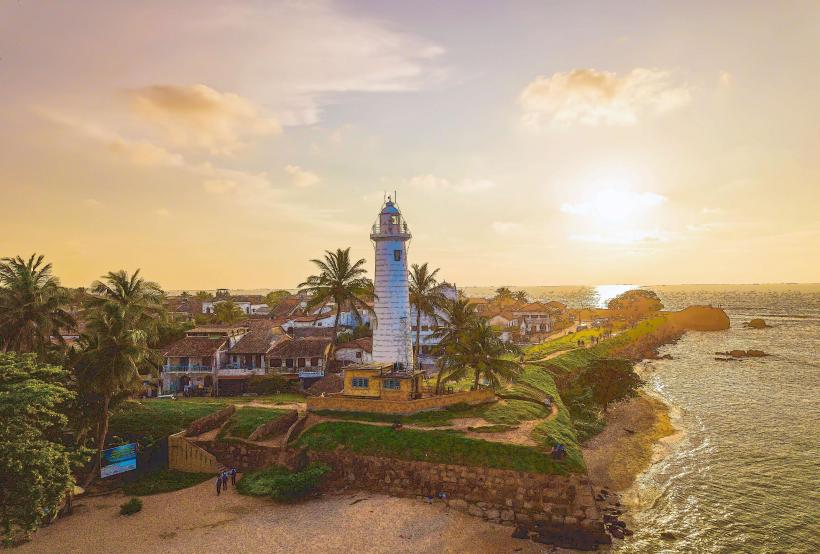
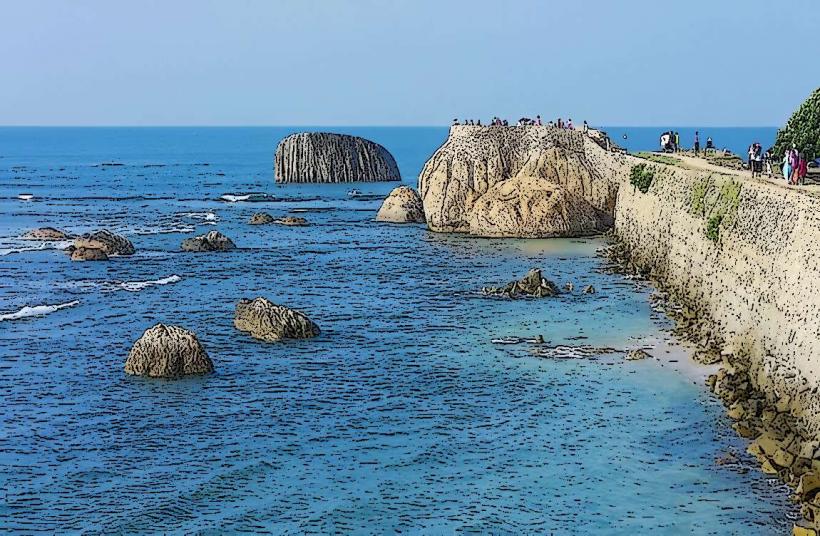
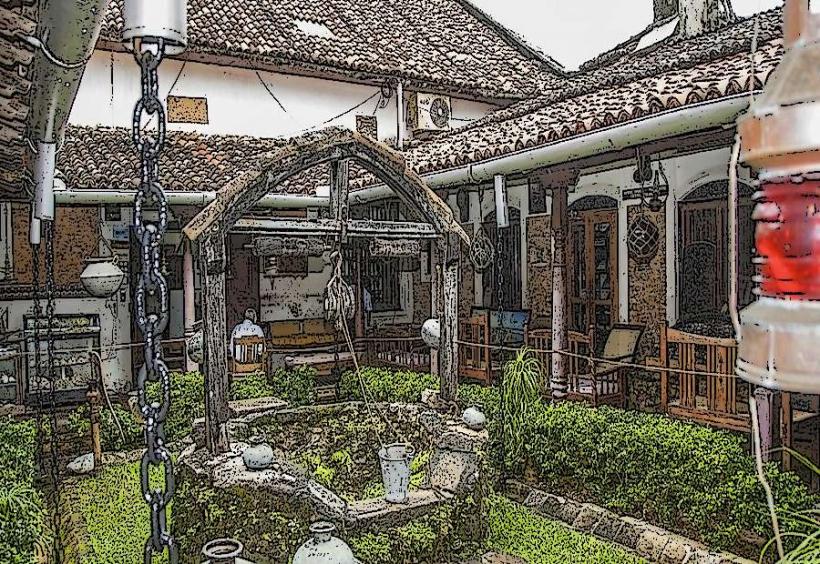
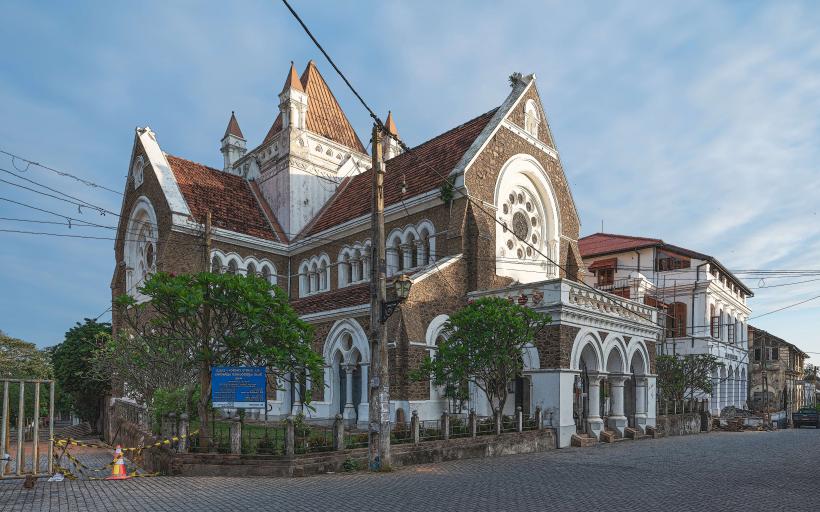
The National Maritime Museum sits inside the historic stone walls of Galle-fort_galle" class="underline">Galle Fort, down in southern Sri Lanka, also step inside and you’ll find a vivid journey through Sri Lanka’s maritime past, from salt-crusted ship relics to maps charting ancient trade routes that once made the island a crucial stop for sailors across the region.Frankly, Inside, you’ll find a captivating mix of exhibits that trace the island’s naval story-from weathered ancient anchors to polished colonial-era compasses, and beyond, equally important tucked inside a restored Dutch warehouse in Galle Fort, Sri Lanka, the National Maritime Museum has been telling the island’s seafaring story since 1992, from tales of shipwrecks and naval battles to the salt-stung life along its coasts; rebuilt after the 2004 tsunami, it now displays treasures pulled from the ocean floor and traces Sri Lanka’s centuries-heritage ties with Portuguese, Dutch, and British traders.You’ll find ceramics, coins, and cargo salvaged from ships that went down just off the coast, with one standout exhibit showcasing treasures from Portuguese and Dutch wrecks, subsequently historic nautical charts and maps, worn at the edges, trace how Sri Lanka became a key stop in global trade under various colonial powers.Detailed ship models line another gallery-sleek Dutch frigates, sturdy Portuguese caravels, and British vessels-alongside traditional Sri Lankan fishing boats and larger seafaring craft, equally important a marine life section glimmers with preserved fish, branching coral, and shells, highlighting the reefs’ role in both ecology and the local economy.Artifacts from ancient times include stone fishing tools, primitive navigation gear, and jewelry unearthed from coastal digs, as well as nearby, rows of weathered cannons, faded uniforms, and colonial-era weapons recall the island’s strategic military past.All of it sits inside a cavernous Dutch colonial warehouse, its thick walls smelling faintly of salt and antique timber, therefore this two-story building once stored goods before being transformed into a museum that showcases Galle’s role as a busy trade hub.Its thick stone walls, arched windows, and murky wooden beams still carry the quiet weight of the colonial era, equally important inside, several halls display different chapters of Sri Lanka’s maritime history, from ancient shipwrecks to weathered navigation charts.Sunlight spills across the wide, sparkling halls, making it easy for visitors to wander from one exhibit to the next, then tucked inside Galle Fort, the museum’s just a short meander from anywhere within its walls.Just a short roam from the Galle Lighthouse and other key sights, the National Maritime Museum is easy to reach-grab a tuk-tuk or taxi from Galle city and you’ll be inside the fort in minutes, furthermore it’s open daily from 9:00 AM to 5:00 PM, though it closes on public holidays and sometimes wraps up earlier, so check ahead.Honestly, Tickets are reasonably priced for both locals and visitors, but rates can change, then for a quieter visit with cooler air drifting in from the sea, aim for early morning or late afternoon, ideally outside peak tourist season.From what I can see, Once you’ve explored the museum, wander Galle Fort’s cobbled lanes to witness the Dutch Reformed Church, the heritage Dutch Hospital, and the lighthouse, stroll the ramparts for sweeping ocean views, snap sunset shots at the Galle Clock Tower, and linger in cafés or boutiques over fragrant tea and fresh Sri Lankan fare-an experience steeped in maritime history, not only that the museum’s artifacts, models, and exhibits bring the island’s naval history to life, tracing its story from ancient shipwrecks to the roar of colonial-era cannons and beyond.Set in the heart of historic Galle Fort, the museum offers a rare chance to explore Sri Lanka’s seafaring past while soaking in the warm, salt-tinged air and colonial charm of its heritage stone streets, alternatively whether you’re drawn to classical maps, fascinated by ships, or just curious to learn something recent, this museum belongs on your list.
Author: Tourist Landmarks
Date: 2025-09-12