Information
Landmark: NorwichtownCity: Norwich
Country: USA Connecticut
Continent: North America
Norwichtown, Norwich, USA Connecticut, North America
Norwichtown, located in Norwich, Connecticut, is the original colonial settlement that became the historic heart of the city. Established in 1659, it is a quintessential example of a 17th-century New England village, preserving both the layout and the architecture of early American life.
Historical Background
Founding: Settled by English colonists, Norwichtown was laid out as the civic, religious, and economic center of the area. The first town meeting, church, and schoolhouse were established here, marking it as the community’s organizational core.
Colonial Significance: As the original nucleus of Norwich, Norwichtown played a central role in regional governance, trade, and agriculture. It also contributed militia members during colonial conflicts and later wars.
Growth: Over the 18th and 19th centuries, Norwichtown expanded but retained much of its colonial layout and architecture, even as the city developed around it.
Layout and Architecture
Village Structure: Norwichtown is organized around a central common or green, surrounded by homes, civic buildings, and churches. Streets radiate from the center, reflecting early colonial planning.
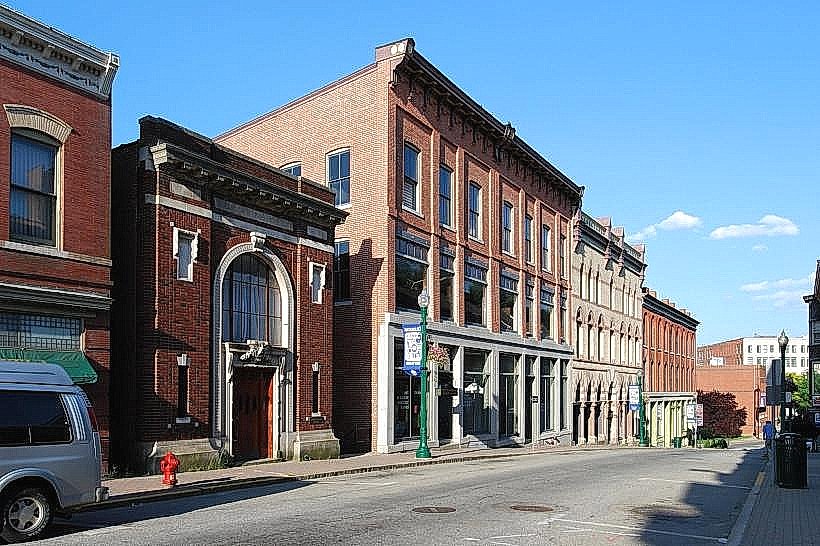
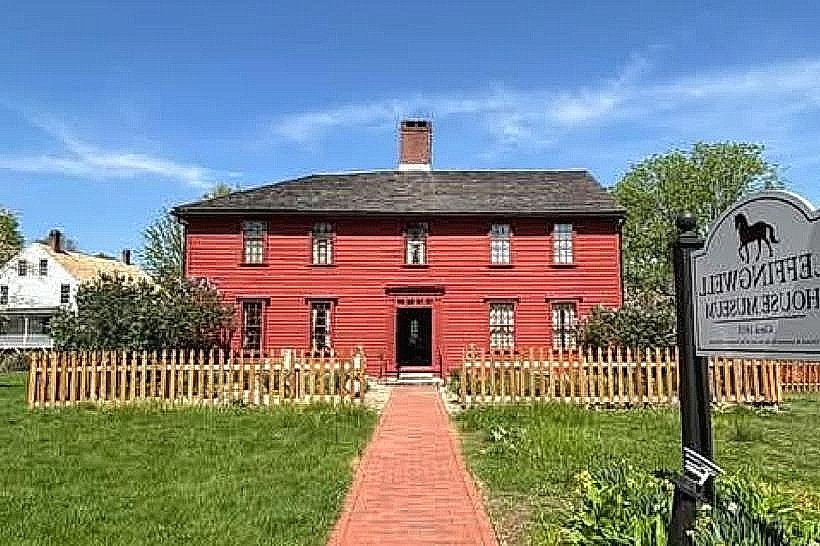
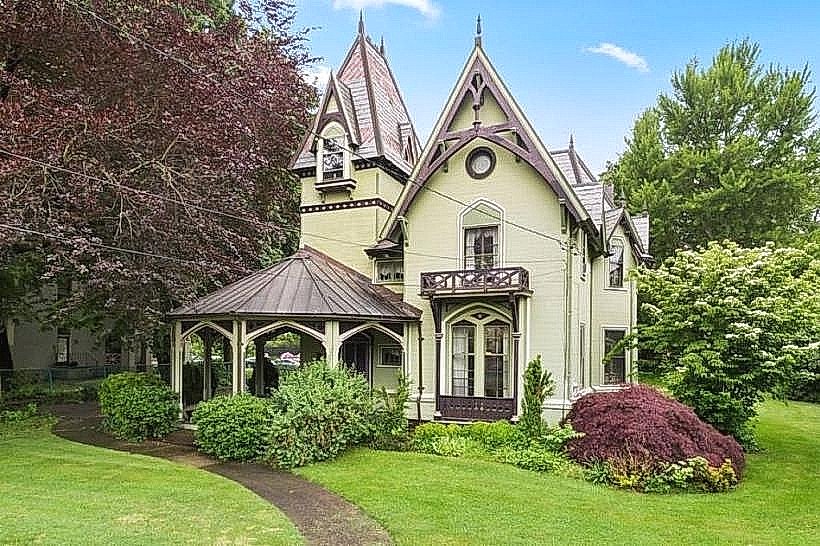
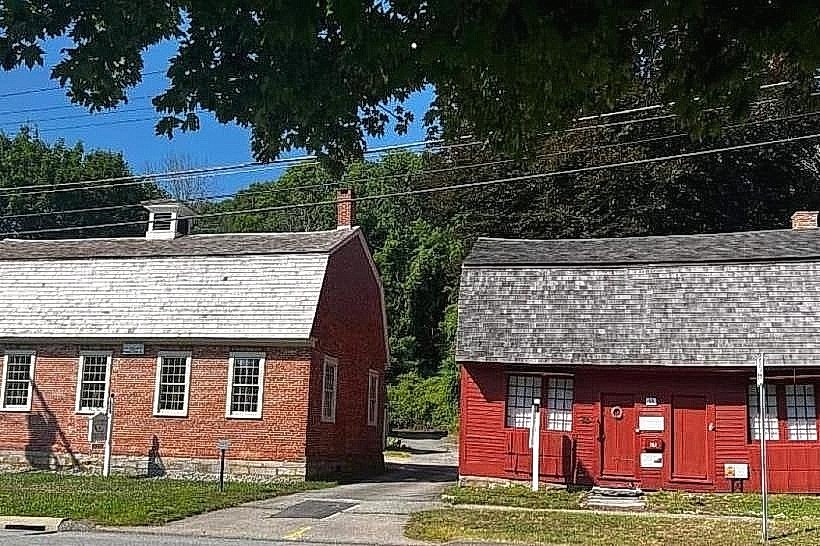
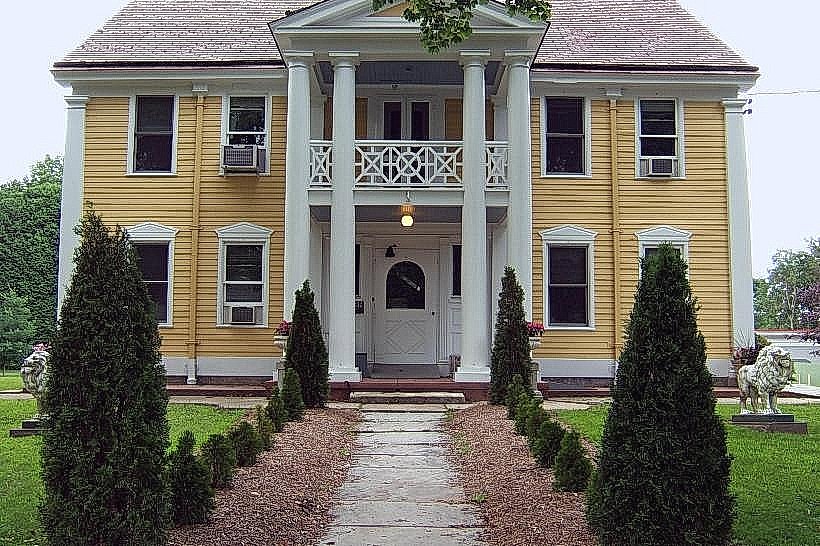
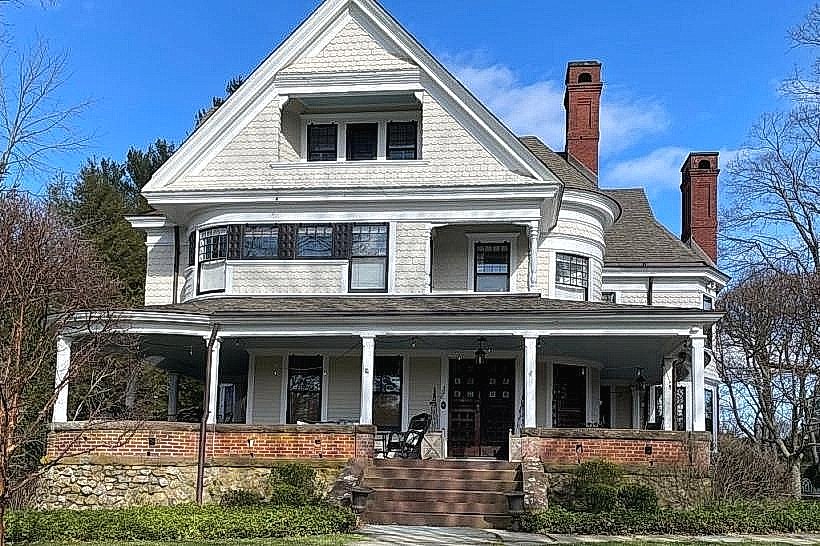
Historic Homes: The district contains colonial, Georgian, and Federal-style residences, many dating from the 1600s and 1700s. Clapboard siding, gabled roofs, and original fireplaces are characteristic features.
Notable Features: Stone walls, mature trees, and landscaped yards maintain the traditional New England village aesthetic.
Key Landmarks
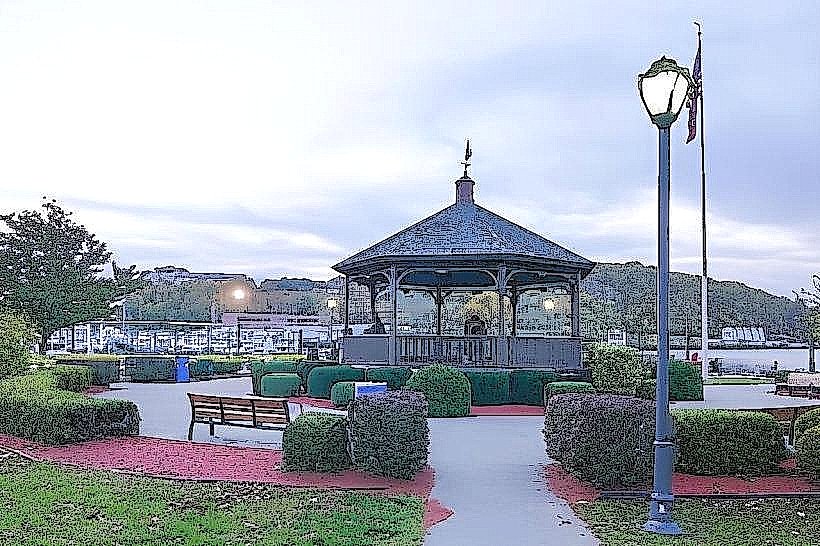
Norwichtown Green: The central open space used historically for militia musters, public gatherings, and civic ceremonies.
First Congregational Church: Established in the 1660s, the church is a cornerstone of the village, with its building reflecting 18th-century architectural styles.
Historic Homes and Museums: Including preserved residences and small museums that interpret early colonial life.
Cemeteries: Several early colonial burial grounds provide historical insights into genealogy and funerary customs.
Cultural and Educational Significance
Preservation: Norwichtown has been carefully preserved, making it a model of colonial-era urban planning and early American architecture.
Community Events: The village hosts historical reenactments, walking tours, and cultural programs that educate residents and visitors about its colonial past.
Learning Resource: Local schools, historians, and genealogists use Norwichtown as a case study in early New England settlement patterns and architecture.
Visitor Experience
Walking and Tours: Visitors can stroll along Norwichtown’s streets, enjoying historic homes, plaques, and scenic landscapes.
Interpretive Materials: Informational signage and museum exhibits provide context for the settlement’s historical development.
Photography and Scenic Views: The combination of colonial architecture and natural landscaping creates a picturesque environment.
Visitor Information
Location: Norwichtown Road and surrounding streets, Norwich, Connecticut.
Access: Open year-round; most streets are pedestrian-friendly.
Admission: Free to explore the district; some museums or historic homes may charge entry fees.
Facilities: Parking, local shops, and dining are available in nearby downtown Norwich.
Norwichtown represents a living window into colonial New England, preserving the architecture, civic layout, and cultural history of a 17th-century village. Its streets, homes, and green reflect centuries of community life, making it a key destination for understanding the early development of Norwich and Connecticut as a whole.