Information
Landmark: Samuel Huntington HouseCity: Norwich
Country: USA Connecticut
Continent: North America
Samuel Huntington House, Norwich, USA Connecticut, North America
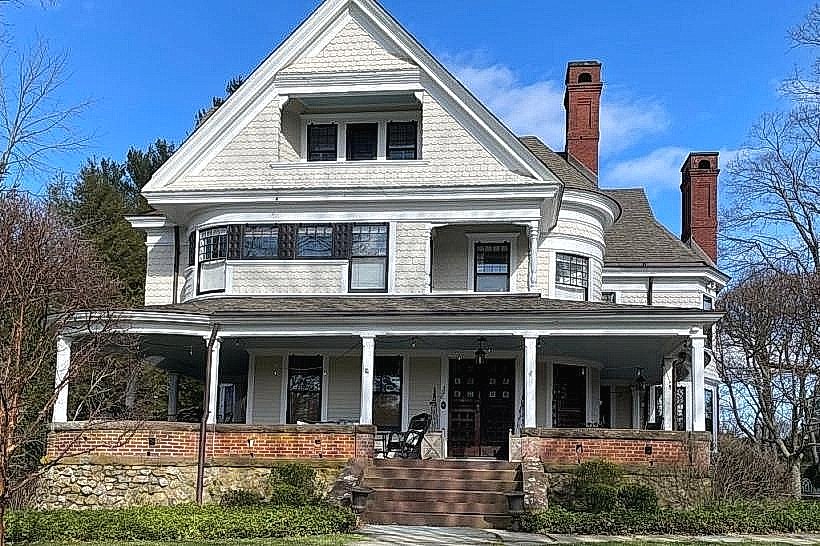
Samuel Huntington House, located in Norwichtown, Norwich, Connecticut, is a historic colonial-era home that preserves the legacy of one of Connecticut’s most prominent early political figures. Built in the 18th century, the house offers insight into colonial architecture, the life of a founding father, and the civic history of New England.
Historical Background
Samuel Huntington: The house was the residence of Samuel Huntington (1731–1796), a signer of the Declaration of Independence, President of the Continental Congress, and Governor of Connecticut. He played a critical role in both state and national governance during the Revolutionary era.
Construction: Built circa 1771, the home exemplifies the colonial domestic architecture of prosperous Connecticut families.
Historical Significance: Beyond its architectural value, the house is directly associated with Huntington’s political career and personal life, providing a tangible link to the Revolutionary period.
Architecture and Features
Style: Colonial, with elements of Georgian influence typical of affluent 18th-century homes.
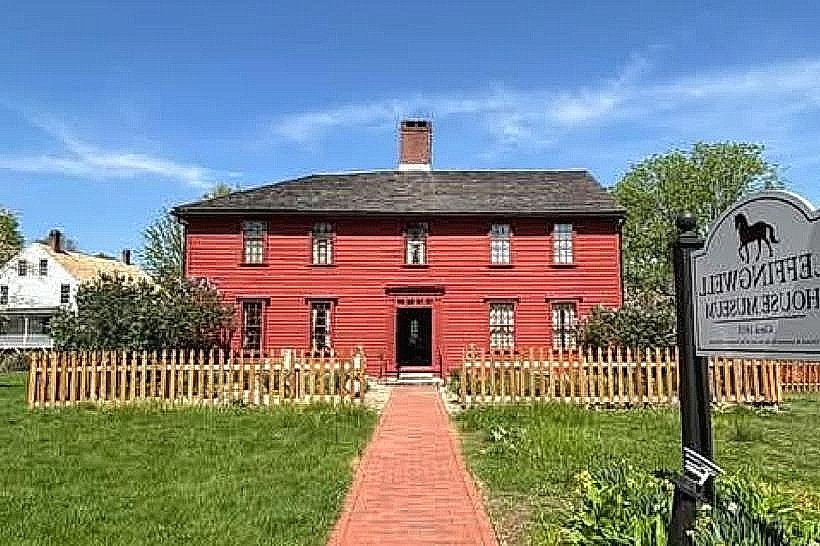
Structure: Two-story wood-frame construction with clapboard siding, a symmetrical façade, and a central chimney.
Interior: Original wide-plank floors, exposed beams, and period fireplaces remain, reflecting domestic life in the late 1700s.
Outbuildings: Ancillary structures, such as sheds or carriage houses, may exist or be referenced in historical interpretation.
Museum and Interpretation
Preservation: The house has been preserved as a museum, with careful restoration to maintain historical accuracy.
Period Rooms: Visitors can view rooms arranged to reflect 18th-century domestic life, including the parlor, dining area, and bedrooms.
Artifacts: Furniture, documents, and personal effects associated with Huntington and his contemporaries provide context for both everyday life and political activity.
Educational Programs: Tours, lectures, and school visits focus on Huntington’s life, colonial politics, and early American history.
Visitor Experience
Guided Tours: Offer detailed insight into the architecture, furnishings, and historical significance of the home.
Historical Context: Exhibits and programs illustrate the broader context of Connecticut’s role in the Revolution, Huntington’s political achievements, and colonial domestic life.
Photography and Scenery: The house, garden, and surrounding historic landscape offer picturesque opportunities for visitors.
Cultural and Community Significance
National Importance: Samuel Huntington House connects visitors directly with a founding father of the United States, emphasizing Connecticut’s contributions to the nation’s independence.
Local Heritage: Serves as a cornerstone of Norwichtown Historic District, preserving early architecture and the civic heritage of Norwich.
Educational Role: Provides a tangible resource for understanding colonial governance, Revolutionary history, and historical preservation practices.
Visitor Information
Location: Norwichtown, Norwich, Connecticut, typically along or near Norwichtown Road.
Hours: Open seasonally or by appointment; guided tours available.
Admission: Small fee for museum tours; discounts often offered for students, seniors, and groups.
Facilities: Parking and interpretive signage; limited modern amenities due to preservation requirements.
Samuel Huntington House stands as a key historical and educational site, combining colonial architecture, the personal story of a founding father, and insights into 18th-century civic and domestic life. Its preservation allows visitors to experience the material and cultural legacy of an important figure in both Connecticut and U.S. history.