Information
Landmark: Norwichtown Historic DistrictCity: Norwich
Country: USA Connecticut
Continent: North America
Norwichtown Historic District, Norwich, USA Connecticut, North America
Norwichtown Historic District, located in Norwich, Connecticut, is a well-preserved colonial-era village that serves as the historic core of the city. Established in the mid-17th century, it offers a rich blend of architectural, cultural, and historical significance, reflecting the evolution of New England towns from the colonial period through the 19th century.
Historical Background
Founding: Norwichtown was settled in 1659 by English colonists, making it one of Connecticut’s earliest inland communities.
Colonial Center: The village became the civic, religious, and educational heart of the area, hosting the first meetinghouses, schools, and local government institutions.
Growth: Over the 18th and 19th centuries, Norwichtown developed as a center for trade, agriculture, and small-scale industry while maintaining its colonial character.
Preservation: The district has been recognized for its historical significance, with many buildings preserved or restored to reflect their original architecture.
Architecture and Layout
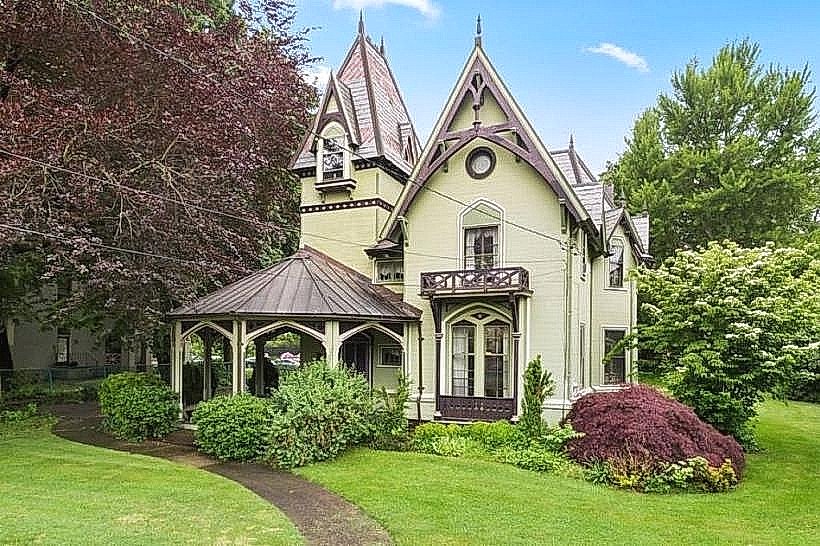
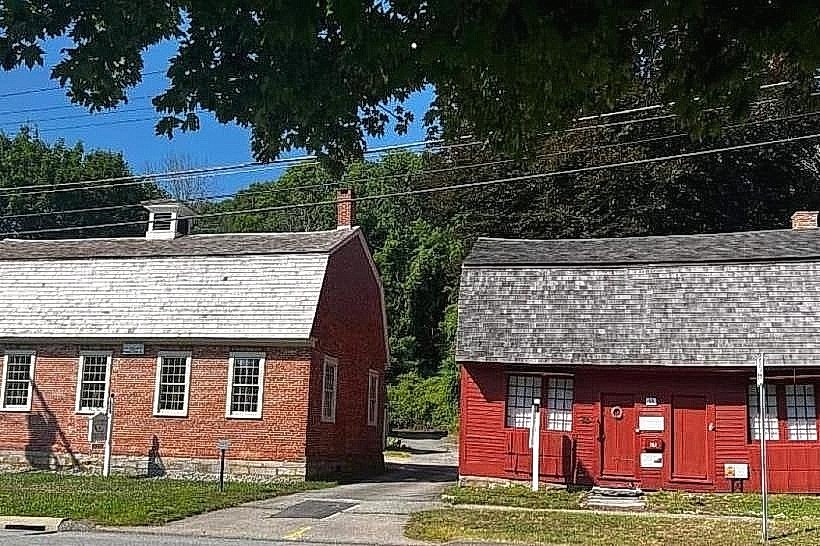
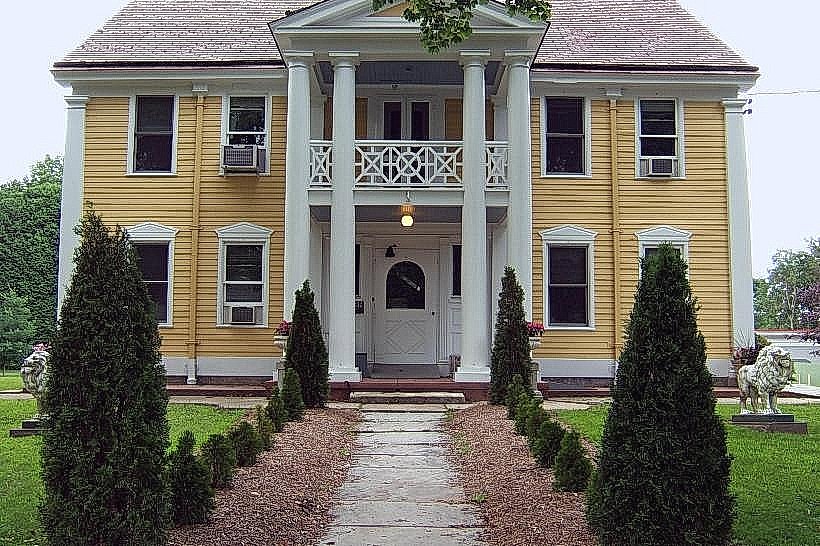
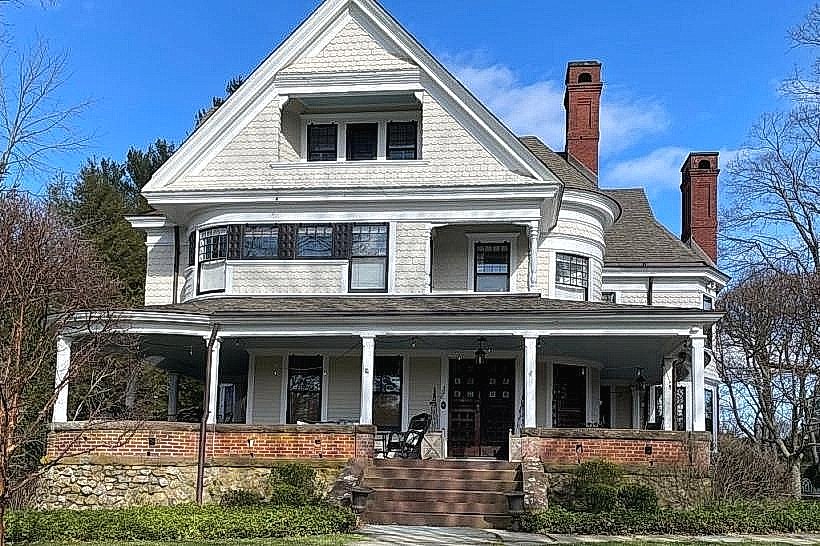
Historic Homes: The district contains dozens of colonial, Georgian, and Federal-style homes, many of which date from the 17th and 18th centuries.
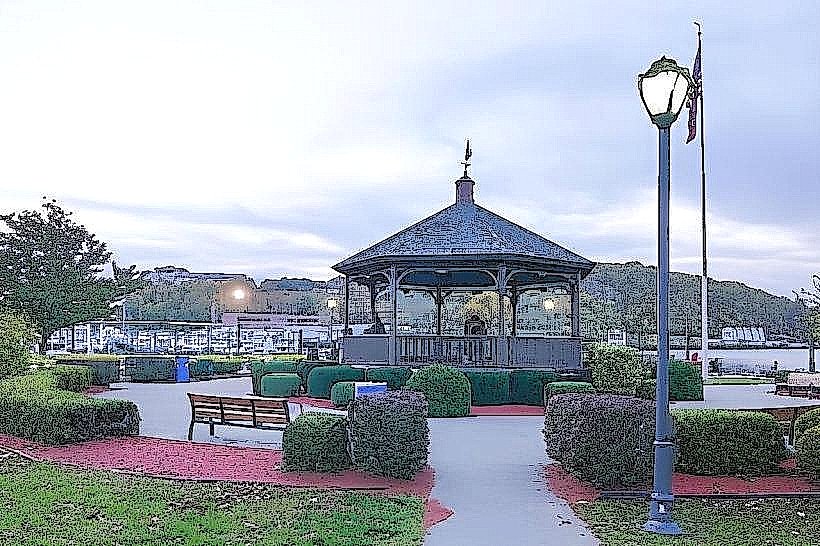
Street Pattern: Laid out along Norwichtown Road (Route 169) and side streets, the village retains its original colonial-era layout with a central common and church green.
Notable Features:
Stone walls, mature trees, and open spaces give the district a traditional New England village character.
Many homes feature clapboard siding, gabled roofs, and period-appropriate detailing.
Key Landmarks
First Congregational Church: Established in the 1660s, with a current building reflecting 18th-century architectural influences.
Norwichtown Green: Central communal space used historically for gatherings, militia musters, and public events.
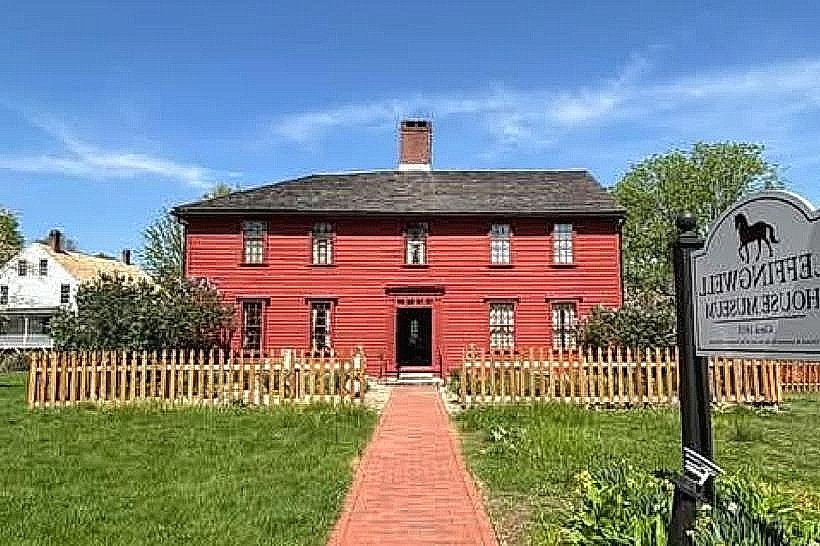
Historic Houses: Examples include the 1659 Leffingwell House, showcasing early colonial construction techniques, and other residences dating to the 1700s.
Cemeteries: Early colonial cemeteries provide insight into local genealogy, funerary art, and settlement patterns.
Visitor Experience
Walking Tours: Self-guided or organized tours allow visitors to explore historic homes, streets, and landmarks.
Cultural Interpretation: Informational plaques and local guides highlight Norwichtown’s role in early Connecticut governance, education, and religion.
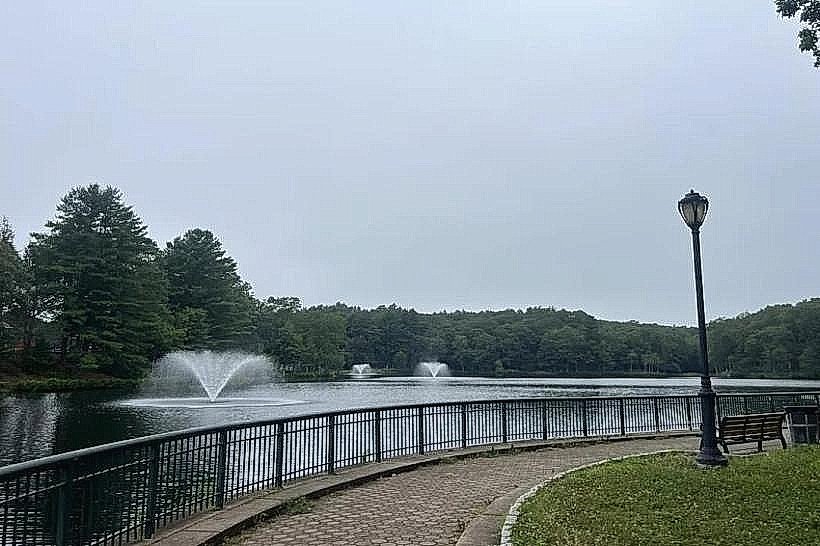
Scenic Environment: The combination of historic architecture and mature landscaping creates a picturesque setting for photography, history enthusiasts, and leisurely strolls.
Community and Cultural Significance
Historic Preservation: The district illustrates early colonial urban planning, residential architecture, and civic life in Connecticut.
Cultural Events: Occasional festivals, historic reenactments, and educational programs are held to connect the public with Norwichtown’s past.
Educational Value: Serves as a resource for historians, architects, and genealogists studying early New England settlements.
Visitor Information
Location: Along Norwichtown Road and adjoining streets, Norwich, Connecticut.
Access: Open to the public year-round; most streets are pedestrian-friendly.
Admission: Free for general exploration; guided tours or museum entries may have separate fees.
Facilities: Nearby parking and local amenities are available in downtown Norwich.
Norwichtown Historic District stands as a living monument to early Connecticut history, preserving the character, architecture, and communal layout of a 17th-century New England village. It provides visitors with an immersive experience in colonial life, illustrating how early settlers built and shaped their communities.