Information
Landmark: Oklahoma ZooCity: Oklahoma City
Country: USA Oklahoma
Continent: North America
Oklahoma Zoo, Oklahoma City, USA Oklahoma, North America
The Oklahoma City Zoo and Botanical Garden, commonly referred to as the Oklahoma Zoo, is one of the city’s most prominent family attractions, combining wildlife conservation, education, and recreation. Located in Scissortail Park’s southern vicinity, it is set within 119 acres of lush landscaping and is home to hundreds of species from around the world.
Origins and Development
The Oklahoma City Zoo was officially established in 1902, making it one of the oldest zoos in the state. Initially a small menagerie, it grew steadily over the 20th century, expanding its exhibits, improving habitats, and integrating botanical gardens. Today, it functions as both a zoological institution and a conservation organization, participating in global breeding and species preservation programs.
Layout and Exhibits
The zoo is organized into several themed areas, each replicating the natural habitat of the animals it houses. Key exhibits include:
Great EscApe: A multi-species exhibit with primates such as gorillas, chimpanzees, and gibbons in environments designed to encourage natural behaviors. Elevated walkways and viewing areas allow visitors to observe the animals closely.
Cat Forest/Lion Overlook: Features African lions, tigers, and other big cats in expansive, naturalistic enclosures.
Elephant Habitat: Home to African and Asian elephants, offering a large yard, walking paths, and educational demonstrations about elephant behavior and conservation.
Herpetarium: Houses reptiles and amphibians, including snakes, lizards, turtles, and frogs, showcasing biodiversity and adaptations.
Aquatic Exhibits: Features fish, amphibians, and other aquatic species in tanks and recreated habitats.
Oklahoma Trails and Plains Exhibits: Focus on native wildlife, including bison, elk, and birds, connecting visitors to the local ecosystem.
Children’s Zoo: A hands-on area where young visitors can interact with farm animals, learn about wildlife care, and engage in educational activities.
Botanical Gardens
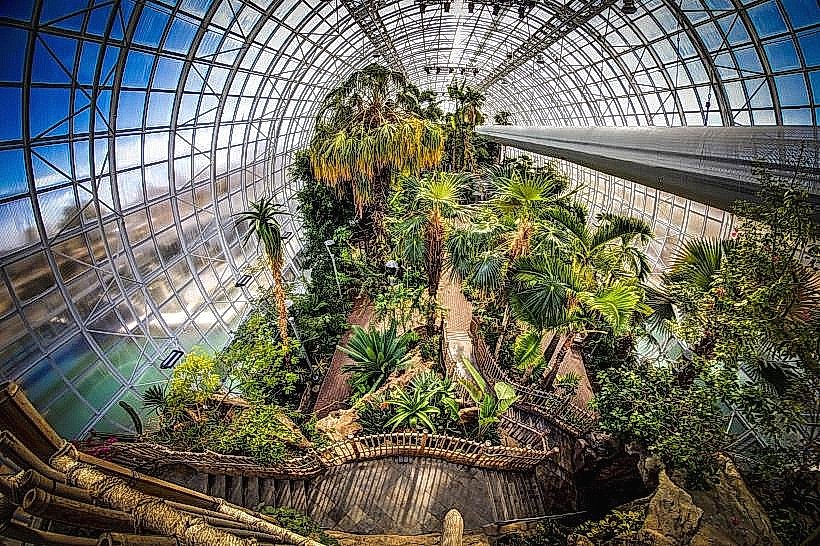
The zoo integrates botanical elements throughout, with themed gardens, native plantings, and shaded walkways enhancing both the aesthetic and ecological value of the park. These gardens support pollinators and provide serene spaces for visitors.
Conservation and Education
The Oklahoma Zoo participates in numerous conservation initiatives, both locally and globally:
Species Survival Programs: Collaborative breeding programs for endangered species, including gorillas, elephants, and big cats.
Educational Outreach: Classes, workshops, and summer camps teach visitors about animal behavior, ecology, and conservation.
Research Partnerships: Collaborates with universities and scientific institutions to advance knowledge about animal health and habitat preservation.
Visitor Amenities and Experience
Safari Train and Sky Tram: Provide aerial and panoramic views of the zoo, allowing visitors to navigate large areas easily.
Dining and Picnic Areas: Cafés, snack stands, and shaded picnic spots enhance visitor comfort.
Special Events: Seasonal celebrations, wildlife encounters, and themed programs attract repeat visitors and engage the community.
Accessibility: Wide pathways, ramps, and wheelchair-friendly areas make the zoo accessible for all guests.
Cultural and Community Role
The Oklahoma Zoo serves as a major educational and recreational resource, drawing families, school groups, and tourists. It combines wildlife conservation with community engagement, helping foster appreciation for biodiversity and environmental stewardship.
The Oklahoma City Zoo blends immersive wildlife habitats, educational programming, and botanical beauty, establishing itself as a cornerstone of both recreation and conservation in Oklahoma City.