Information
Landmark: Oklahoma National StockyardsCity: Oklahoma City
Country: USA Oklahoma
Continent: North America
Oklahoma National Stockyards, Oklahoma City, USA Oklahoma, North America
Oklahoma National Stockyards in Oklahoma City is one of the most historic and enduring centers of livestock trade in the United States. Often called the “Stockyard City,” it remains both a working cattle market and a cultural landmark, linking Oklahoma’s cowboy and ranching heritage with its modern identity.
Origins and History
The stockyards were established in 1910, at a time when Oklahoma City was rapidly growing as a hub of transportation and commerce. Located along the rail lines, the yards became a vital point for buying, selling, and shipping cattle from surrounding ranches. At its peak in the mid-20th century, the stockyards were among the largest livestock markets in the world, and Oklahoma City developed a reputation as a major cattle-trading center.
Even as technology changed the cattle industry, the stockyards maintained their importance, adapting to modern auction systems while preserving the traditions of live cattle trading.
Layout and Operation
The Stockyards cover a large area south of downtown Oklahoma City and include:
Auction Facilities: Pens, arenas, and a sales barn where weekly live auctions take place.
Cattle Pens: A maze-like arrangement of holding areas where cattle are sorted, viewed, and prepared for sale.
Rail and Road Access: Historically crucial for transporting cattle across the region.
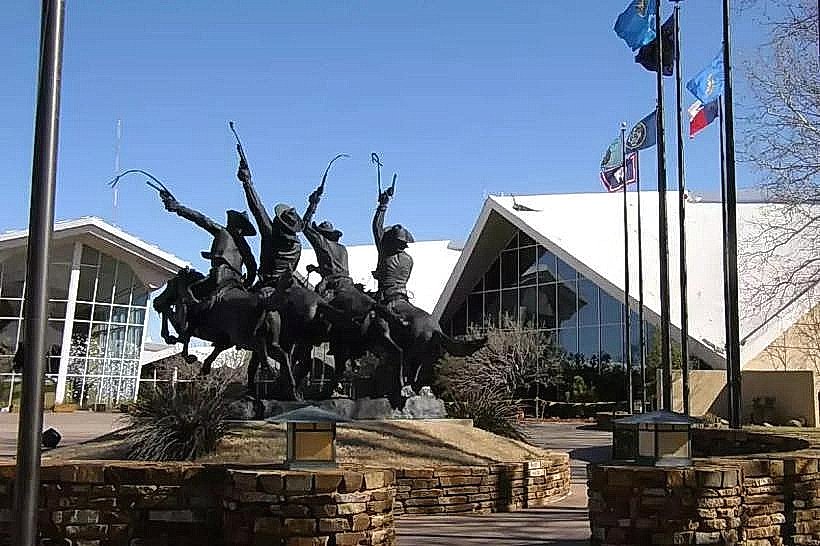
Stockyard City District: A commercial and cultural area surrounding the yards, with western wear shops, steakhouses, and cowboy gear stores.
Auctions and Livestock Trade
Weekly Cattle Auctions: Held every Monday and Tuesday, they remain the core of the Stockyards’ activity. Ranchers, buyers, and sellers gather to trade thousands of head of cattle.
Auction Style: The auctioneer’s rhythmic chant fills the sales barn, creating an atmosphere that blends tradition with modern commerce.
Global Reach: Though rooted in local ranching, cattle sold here may end up across the nation and internationally.
Cultural and Tourist Appeal
Beyond its role as a business hub, the Oklahoma National Stockyards attract visitors for their authentic cowboy culture:
Western Stores: The surrounding Stockyard City features long-standing shops selling boots, hats, saddles, and western apparel.
Restaurants: Legendary steakhouses such as Cattlemen’s Steakhouse, established in 1910, draw both locals and tourists with hearty ranch-style meals.
Historic Feel: The mix of working cattle pens, brick buildings, and cowboy culture preserves the atmosphere of the early 20th century.
Events: Branding ceremonies, cowboy festivals, and rodeo-related gatherings sometimes take place in the area.
Visitor Experience
A trip to the Stockyards is unlike visiting a museum-it’s a chance to experience living history:
Watching an Auction: Visitors can sit in the sales barn and witness the fast-paced bidding process.
Walking the District: Exploring western shops and dining in old-style steakhouses makes for a cultural immersion.
Photography: The rugged cattle pens, auction barns, and western storefronts create a uniquely Oklahoman backdrop.
Accessibility: The area is easily accessible from downtown Oklahoma City, making it a popular stop for travelers seeking authentic western heritage.
Significance
The Oklahoma National Stockyards stand as both a functional cattle market and a heritage site, preserving the traditions of ranching, cattle trading, and cowboy culture. It remains one of the largest working stockyards in the world, embodying Oklahoma’s deep ties to the cattle industry while welcoming visitors into a world that feels both historic and alive.