Information
Landmark: BricktownCity: Oklahoma City
Country: USA Oklahoma
Continent: North America
Bricktown, Oklahoma City, USA Oklahoma, North America
Bricktown is one of the most vibrant and historically significant districts in Oklahoma City, transformed from a former warehouse and industrial area into the city’s premier entertainment hub. Today, it blends history, culture, dining, nightlife, sports, and family-friendly attractions, making it a centerpiece for both locals and visitors.
Historical Background
Bricktown traces its origins to the late 1800s, when Oklahoma City grew rapidly after the Land Run of 1889. The district became the city’s first warehouse and distribution hub, with red-brick industrial buildings giving it its name. For decades, freight trains, mills, and factories dominated the area. By the mid-20th century, however, the district declined as businesses moved elsewhere.
Revitalization began in the 1990s through the MAPS (Metropolitan Area Projects) initiative, a public investment program that transformed the abandoned warehouses into restaurants, shops, entertainment venues, and attractions. Bricktown became the flagship of downtown Oklahoma City’s urban renewal.
Layout and Atmosphere
The district lies just east of downtown, centered around Mickey Mantle Drive and the Bricktown Canal. The original red-brick warehouses remain a defining feature, repurposed into modern establishments while preserving historic character. Streets are pedestrian-friendly, with art installations, murals, and lighting that create a lively atmosphere both day and night.
Key Highlights
Bricktown Canal: A mile-long waterway lined with restaurants, bars, and shops. Pedestrian walkways follow the canal, and water taxis provide narrated rides with insights into the district’s history and landmarks.
Chickasaw Bricktown Ballpark: Home to the Oklahoma City Baseball Club (formerly RedHawks/Dodgers, Triple-A team). It’s one of the most popular venues in the district and often hosts fireworks, concerts, and special events.
Entertainment and Dining: Bricktown boasts a wide variety of restaurants ranging from upscale steakhouses to casual eateries, along with breweries, live music venues, nightclubs, and a large multiplex cinema.
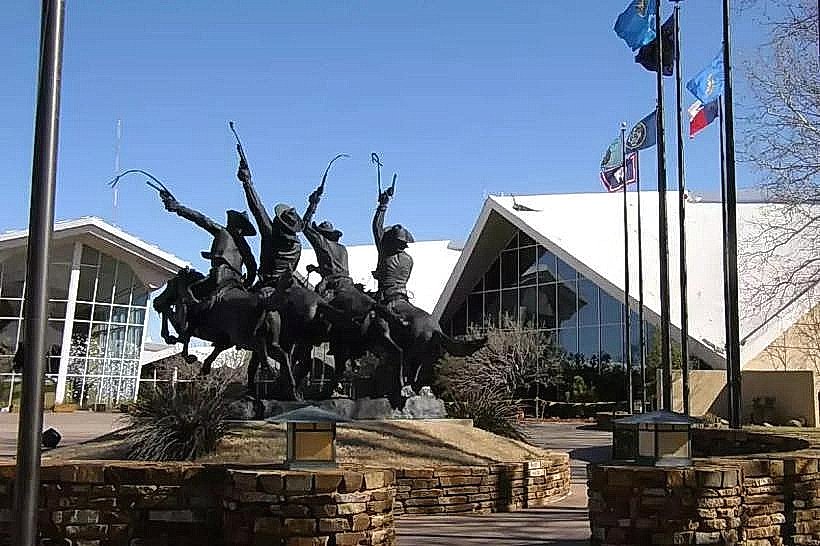
Public Art: The area features striking sculptures and murals, including the Land Run Monument, one of the world’s largest bronze sculptures, depicting settlers rushing to claim land in 1889.
Bricktown Brewery: Oklahoma City’s first craft brewery, located in a repurposed warehouse, remains a local favorite for food and drinks.
American Banjo Museum: A niche museum showcasing the history of the banjo with exhibits, performances, and a large collection of instruments.
Events and Activities
Bricktown is a year-round gathering place with seasonal festivals, concerts, sports events, and family activities. The canal is especially popular during holidays, when it is decorated with lights and hosts special cruises. The ballpark frequently draws crowds for minor league baseball, collegiate events, and outdoor shows.
Visitor Experience
Daytime: Families enjoy canal rides, museums, and casual dining.
Evening: The district comes alive with nightlife, live music, and baseball games.
Accessibility: Parking garages and lots surround the district, and it connects easily to downtown by foot, streetcar, or bicycle.
Cultural and Economic Impact
Bricktown has become the symbol of Oklahoma City’s successful downtown revitalization, turning what was once a declining industrial district into a thriving entertainment quarter. It draws millions of visitors annually and has encouraged further development across the city.
Bricktown embodies Oklahoma City’s ability to honor its industrial roots while reimagining them for modern urban life, making it one of the city’s most essential destinations.