Information
Landmark: Panhandle Pioneer MuseumCity: Scottsbluff
Country: USA Nebraska
Continent: North America
Panhandle Pioneer Museum, Scottsbluff, USA Nebraska, North America
The Panhandle Pioneer Museum is a historical institution located in Scottsbluff, Nebraska, USA. It preserves and displays artifacts related to the settlement and development of the Nebraska Panhandle region.
Visual Characteristics
The museum is housed in a single-story brick building with a flat roof. The exterior features a simple, functional design with a prominent entrance. The interior consists of multiple exhibit rooms displaying a variety of historical objects.
Location & Access Logistics
The museum is situated at 1102 East 1st Avenue in Scottsbluff, Nebraska. It is approximately 1.5 kilometers east of the city center. On-site parking is available. No public transport routes directly serve the museum; nearest bus stops are several blocks away.
Historical & Ecological Origin
The building itself was originally constructed in 1928 as a schoolhouse. It was later repurposed and opened as the Panhandle Pioneer Museum in 1967. Its purpose is to document and exhibit the history of pioneers and early settlers in the Panhandle region.
Key Highlights & Activities
Visitors can view exhibits on pioneer life, including household items, tools, clothing, and agricultural equipment. Displays also cover local industries such as farming and ranching. Educational programs and special exhibitions are occasionally held.
Infrastructure & Amenities
Restrooms are available on-site. Limited seating is provided within exhibit areas. Cell phone signal (4G/5G) is generally reliable within the museum. No food vendors are located at the museum; nearest options are in the downtown area.
Best Time to Visit
The museum is open year-round during its stated operating hours. Mid-morning or mid-afternoon visits typically offer fewer crowds. The best time for photography is during daylight hours when interior lighting is optimal.
Facts & Legends
A notable artifact within the museum is a collection of letters written by early settlers, offering firsthand accounts of daily life and challenges. One local anecdote recounts the ingenuity of early farmers in adapting to the arid climate using limited resources.
Nearby Landmarks
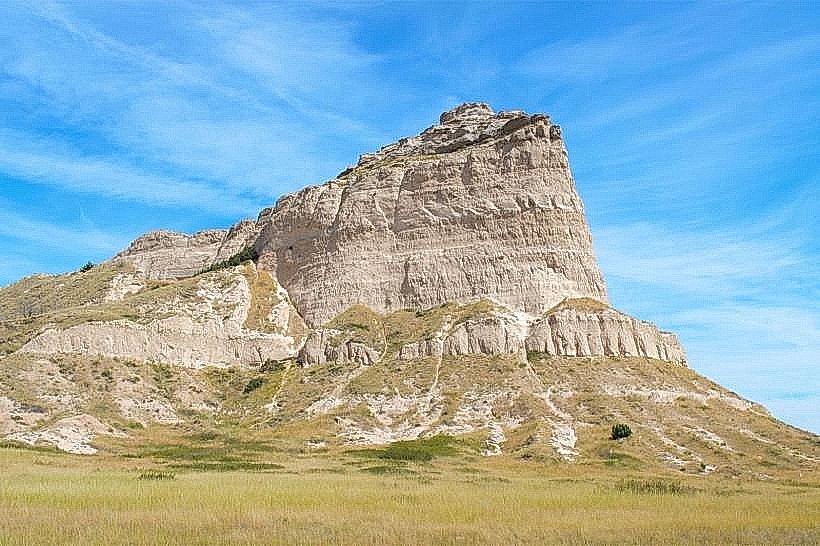
- 1.2km West: Scottsbluff National Monument
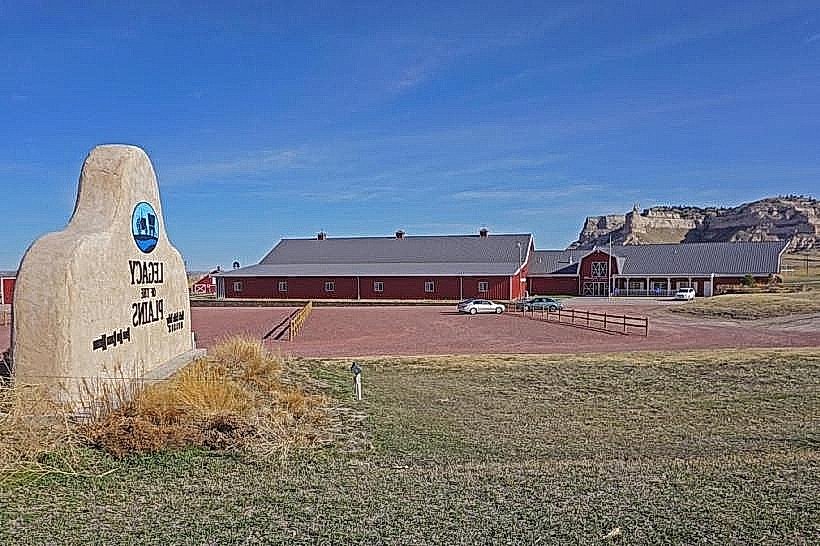
- 0.8km Southwest: Legacy of the Plains Museum
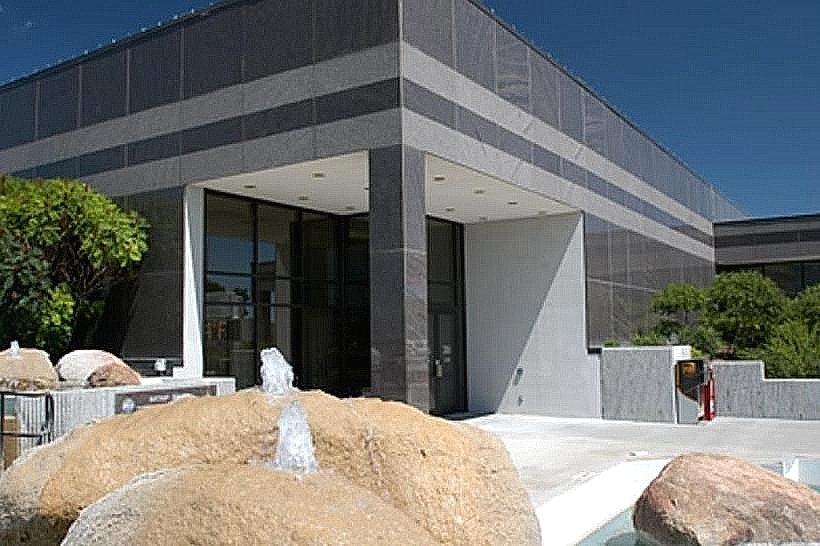
- 2.5km Northwest: Gering Civic Center
- 4.0km South: Chimney Rock National Historic Site (requires travel outside immediate radius)